
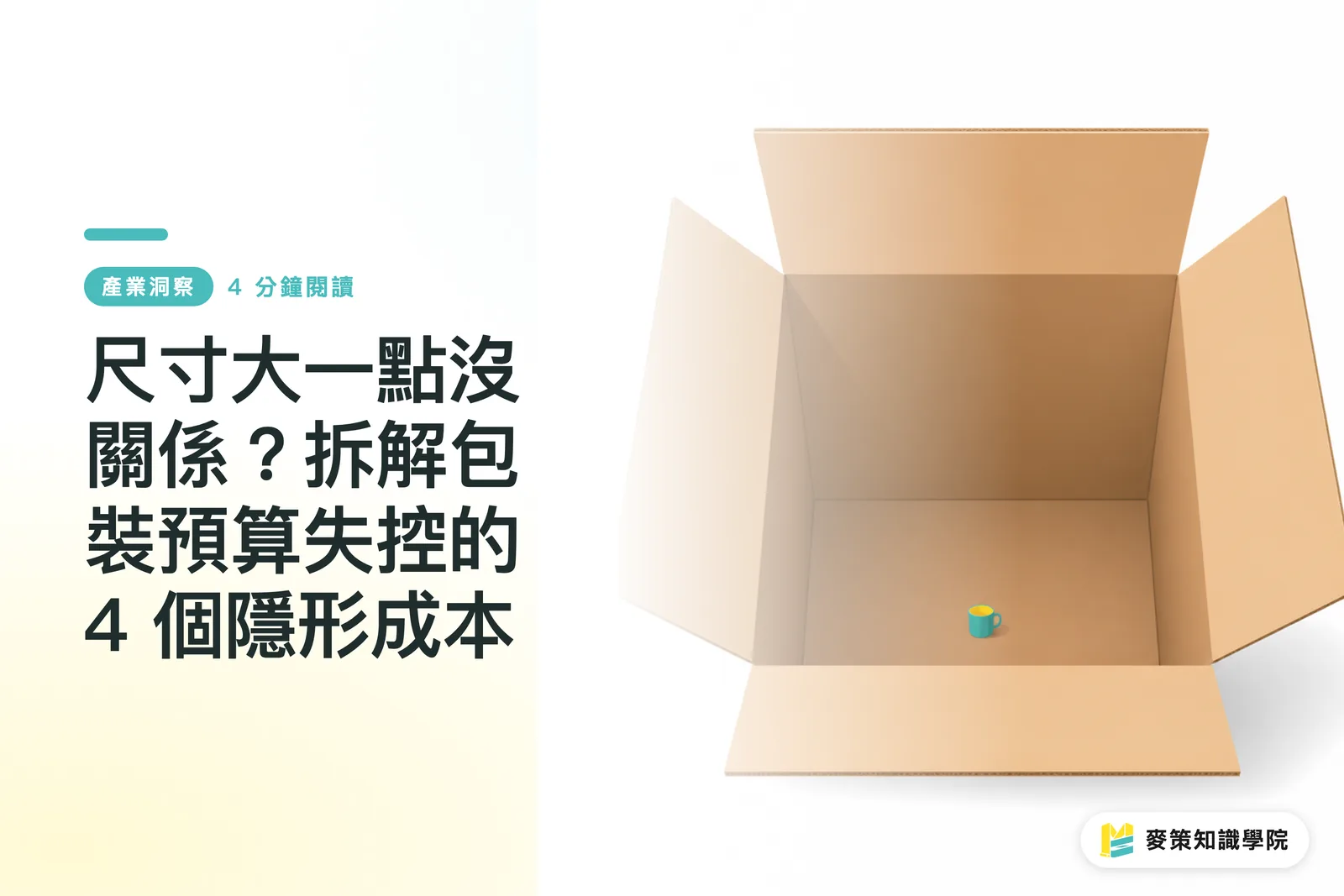
Why a Slightly Bigger Box Blows Your Budget Out of the Water
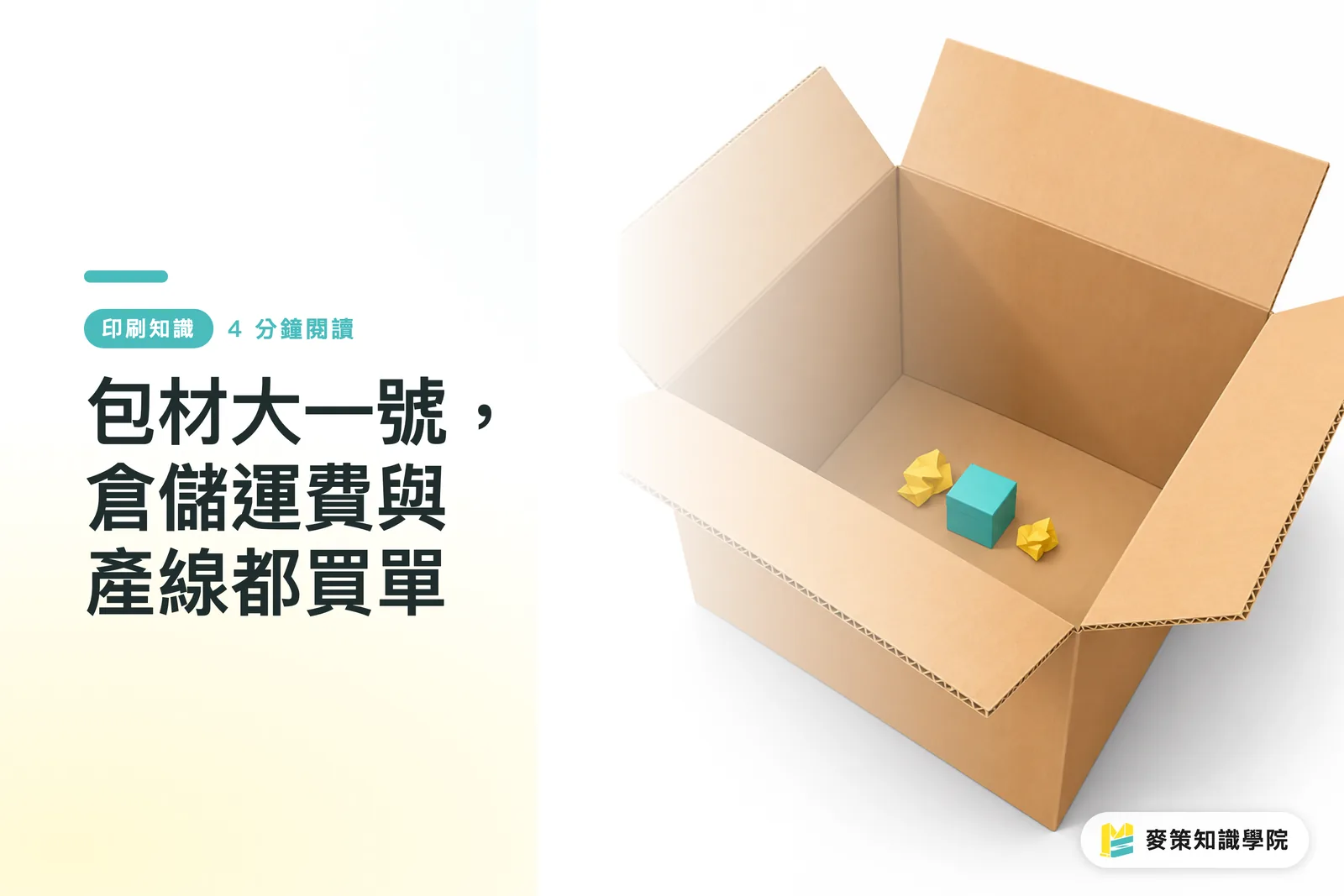
Making a box just a bit larger immediately jumps your sheet yield tier and wastes layout space, spiking unit costs in an instant
I recently listened to episode 5 of PackPod by ColorDynamics Packaging. It hit right on a pain point I often bring up with clients: the hidden costs over-packaging creates for brands
During design, many brands instinctively ask designers to enlarge the outer box, hoping the product looks more substantial on shelves or has room for extra cushioning
From a print manufacturing standpoint, paper comes in fixed sheet sizes (like full-sheet or Giku/B-series sizes)
When your flat dieline exceeds a specific imposition layout, a sheet that once fit 4 boxes might now only fit 2
That means you are buying an entire sheet of paper only to have half of it trimmed off as scrap, and your brand pays for every scrap
Smart procurement teams ask designers to trim that 0.5 cm in length or width to match standard sheet cuts, rather than chasing visual bulk
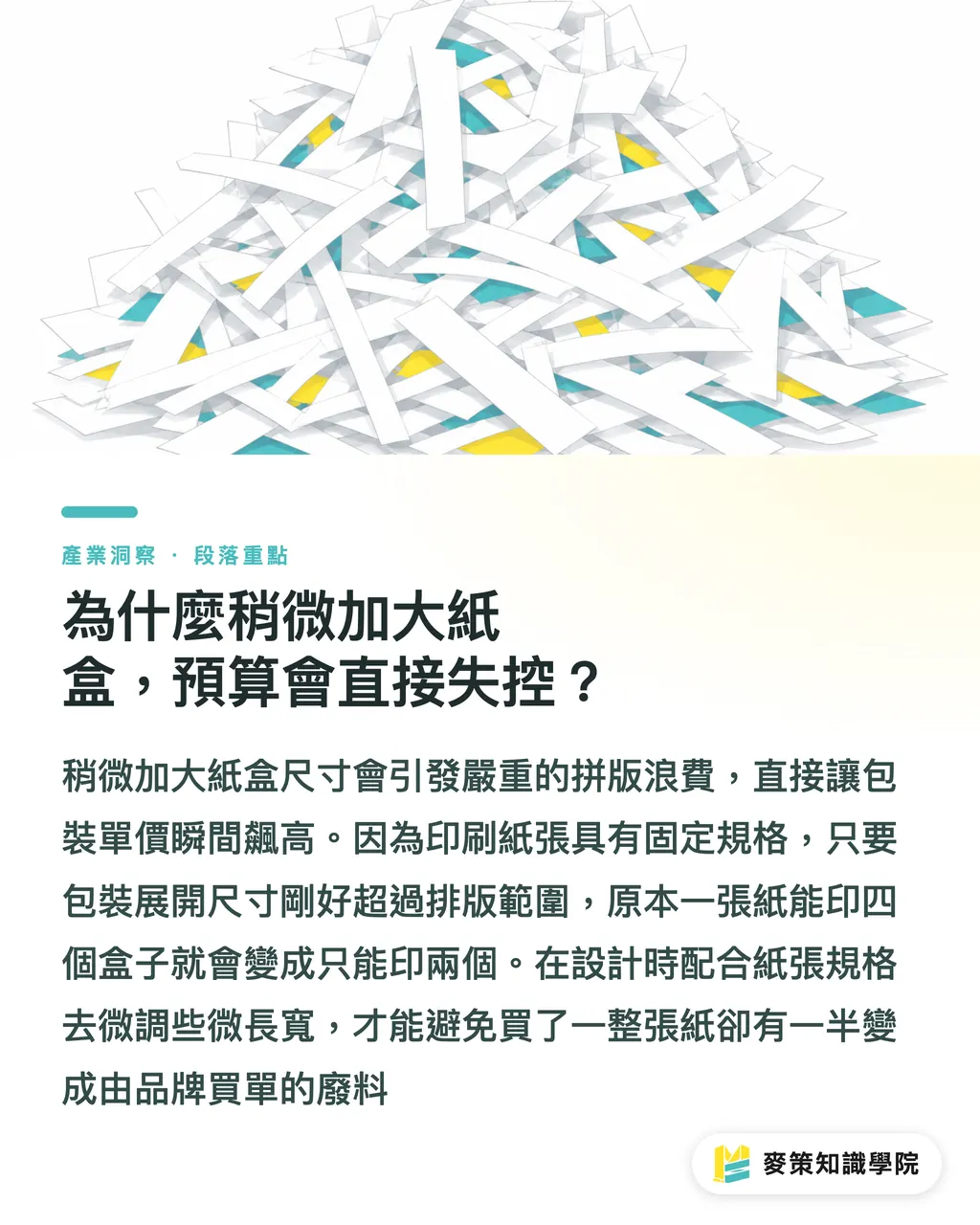
Paying for Empty Air: The Hidden Freight Penalties in Your Boxes
The hidden penalty in shipping fees comes from carriers billing by whichever is greater between dimensional weight and actual weight. The more empty space inside, the higher the freight bill
The PackPod episode specifically called out rising freight as a major vulnerability
Cross-border e-commerce and domestic shipping no longer charge based on weight alone
Every bit of air and bubble wrap stuffed into a parcel turns into steep dimensional charges on carrier scales
I worked with a skincare brand that insisted on using standard large shipper boxes for small serum bottles, which drove up per-unit shipping costs by nearly 30% over their initial estimate
On top of that, larger boxes mean fewer cartons per pallet, which doubles warehousing costs and the number of freight runs
This is pure profit you can recover immediately just by tightening packaging structures
Return Rates and Brand Image: Do Customers Actually Like Oversized Packaging?
Customers do not actually like big packaging. Over-packaging creates hassle during unboxing and leaves a wasteful impression, hurting brand loyalty and driving up return rates
Some clients assume big packaging equals premium quality, but buyers today are much smarter
When they get a giant box, cut the tape, peel back layers of bubble wrap, and pull out a tiny item, their first thought is rarely delight. It is usually: 'What a total waste.'
PackPod pointed out that the damage to a brand's sustainability reputation is silent but real
With ESG under the spotlight, excessive packaging is one of the easiest targets for backlash on social media
Also, if extra interior room is not properly secured, products shift and bang around in transit, making damage far more likely and directly driving up return rates
Spending more on packaging only to end up with complaints and replacement claims makes no financial sense
Mai Strategy's 3-Stage Print Review: How Can SMEs Audit Their Packaging?
Small and mid-sized businesses can audit imposition yield, pallet volume, and the unboxing experience to uncover hidden cost drains in their packaging structures
Practicing sustainability does not require expensive stone paper or soy inks. Getting dimensions and structural engineering right is the real foundation
I often recommend that clients use the 'Mai Strategy 3-Stage Print Review' from our Mai Strategy Knowledge Academy consulting team for a self-audit
・Gate 1 checks whether structural designs fit standard printer imposition sizes to maximize sheet usage
・Gate 2 examines outer carton volume, simulating packing and pallet layouts to cut out excess air
・Gate 3 simulates the customer unboxing journey, verifying solid protection and single-material design for easy recycling
If you are unsure about structures and production methods for high-end packaging, you can work directly with partners like MINDS, who focus on mid-to-high-end bespoke commercial printing, to lock in cost performance on size and materials from day one
Less is more is an absolute truth in packaging design
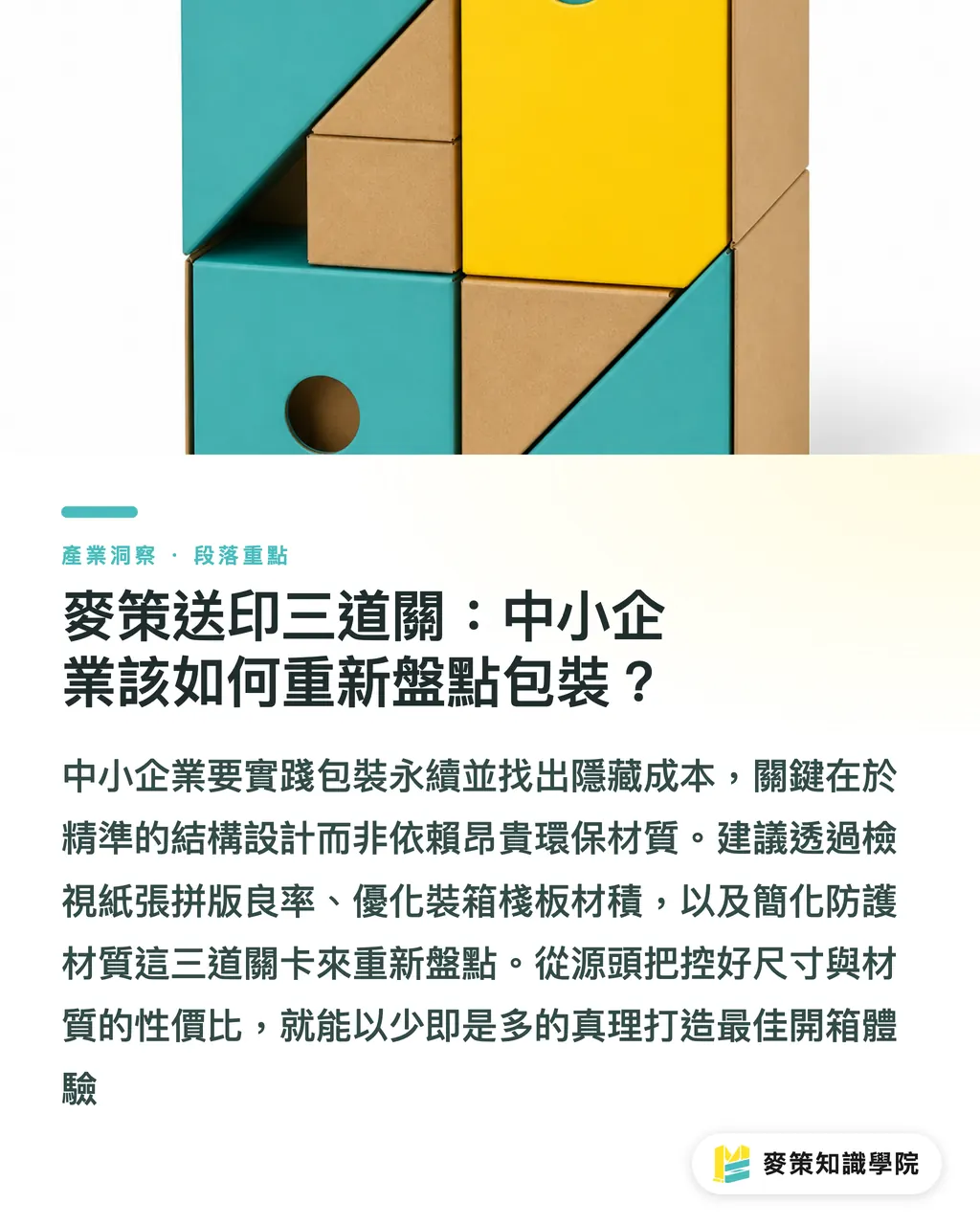
Key Takeaways
・Blindly sizing up packaging wastes sheet imposition area, forcing brands to pay for discarded offcuts
・Under dimensional weight pricing, trapped air inside packaging turns into steep shipping and storage costs
・Excessive packaging turns buyers off, while loose interior space increases the risk of damage and returns
・Auditing imposition efficiency and carton volume cuts hidden packaging costs significantly without switching materials
Further Thoughts
From production lines to end consumers, packaging reduction has shifted from a green slogan into a real fight to protect profit margins
Brands should treat freight volume and paper sheet divisions as design specifications from the start, rather than trying to beat down printer quotes after dielines are finished
For designers, understanding sheet imposition and box volume to create clean, high-protection structures is the real edge that cannot be replaced in the sustainability shift
Further Reading
FAQ
- Why hasn't our packaging budget dropped even though we switched to eco-friendly paper?
- The biggest costs usually come from structural waste and freight dimensional weight fees. Without fixing dimensions, simply swapping materials can actually make things more expensive
- How do we know if our packaging is wasting paper?
- Ask your printer to calculate the flat sheet yield for your dieline. If too much scrap is trimmed off a full sheet, you have room to adjust the dimensions
- Will shrinking box dimensions compromise product protection?
- Protection comes from smart internal structural locking, like custom tabbed inserts, not from simply making the outer box thicker or bigger. A precise, snug structure prevents products from shifting and breaking
- Besides box dimensions, where else do hidden costs come from?
- Mixing different materials is another big factor. Adding plastic clamshells or metal clasps to paper boxes raises manual assembly costs, makes recycling difficult for customers, and damages brand reputation
Related articles



The Print × AI weekly
The print and AI know-how designers, brands and enterprises can use before they commit — one email, every week
MINDS Free Tools
AI background removal, a LINE sticker maker, spine & imposition calculators — all free, right in your browser, no upload.
MINDS Group
Need actual printing or gifting services?
From premium printing to online ordering and festive gifts — the MINDS Group sister brands take it from here.