
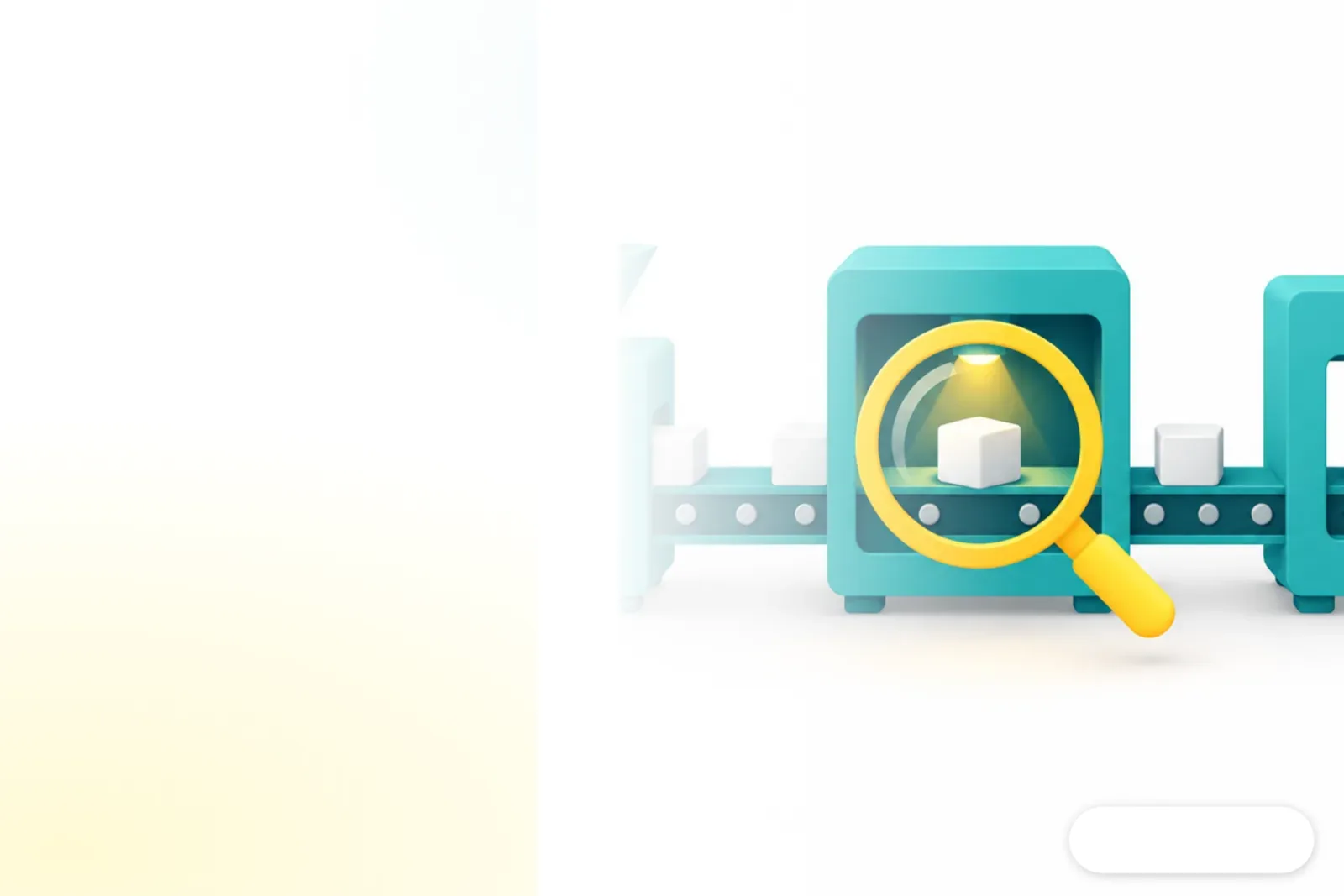
Why Look at AI Software and Robotics Together for Packaging Automation?
SHIFT 2026 discussed AI software and robotics in the same print production context, reminding us to start with how workflows connect when considering automation investments. Heidelberg, a supplier of printing equipment and workflow solutions, hosted this summit on print workflow digitization and hybrid production. In 2026, it drew more than 300 professionals and managers from nearly 30 countries. The SHIFT 2026 discussion of AI software and robotics covered topics including AI-assisted scheduling, automated workflows, and robotics
When I assess automation, I first ask where job data gets entered more than once and how work passes between machines. Software schedules jobs and maps their production routes. Robots handle physical tasks. If data still fails to carry through from one stage to the next, adding a robot won't fill the gaps in the workflow. SHIFT offers industry topics and examples, but no payback periods for individual solutions

Should You Invest in Software or Robots First?
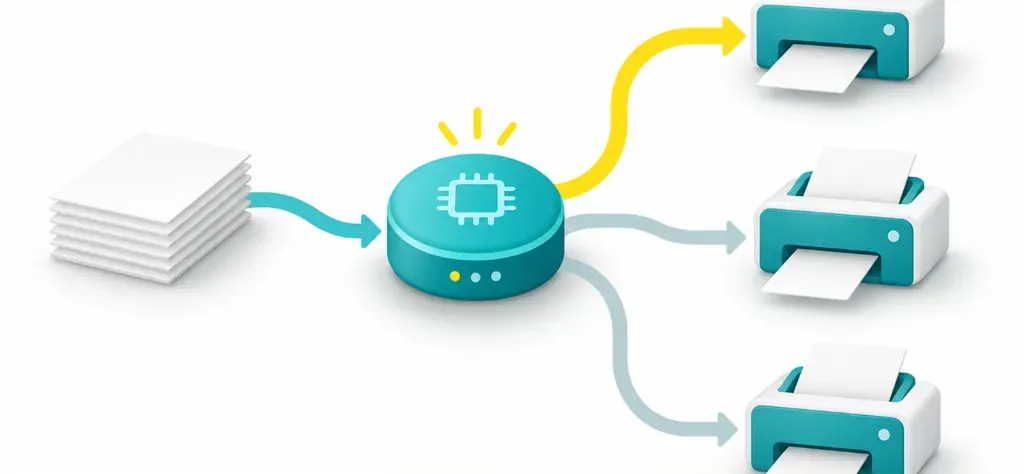
Start by reviewing software workflows and job ticket data, then decide whether any stable process is suited to robotics. In print packaging, AI software can help schedule jobs or choose routes based on job tickets and capacity, while robots perform physical tasks such as moving materials and loading or unloading equipment
Heidelberg's Prinect Touch Free, workflow software that plans production based on configured data and target values, can support production planning. In hybrid printing, where offset and digital printing share a production route, it can also combine jobs and choose a more cost-effective process. For these functions to work on the shop floor, due dates, machine capabilities, and job requirements need to be clearly documented. If staff fill in missing data by hand every day, the schedule will be incomplete too
Don't rush to buy a robot
What Tasks Can AI Software Handle First at a Print Plant?
AI software can help route jobs, combine them, and select production paths, provided the plant's rules can be clearly defined. SHIFT 2026 noted that Prinect Touch Free can automatically combine jobs and choose a more cost-effective production route in a hybrid printing environment. Heidelberg Portal, where customers can ask workflow questions, also offers an AI chatbot that answers those questions through conversation
When order volumes rise and print runs get smaller, scheduling and job combining directly affect production planning. Design version, size, die line, and finishing requirements also need to be recorded in the job ticket, so a smooth schedule doesn't send the wrong file to production. I'd run a desk exercise with a batch of completed job tickets first, then confirm who reviews rush jobs, artwork changes, or machine stoppages. If exceptions are still handled by word of mouth, write down the rules before talking automation
Which Processes Should Get the First Robotics Investment?
Assess physical tasks with fixed routes and clear handoffs first, then consider more complex robotics applications. SHIFT 2026 noted that robotics is entering industrial print production. Andreas Reichert of Lunes Robotics, a robotics startup, said humanoid robots are still at an early stage of development. He cited projections of a shortfall of 6.1 million workers in the United States and 7 million in Europe over the next few years to illustrate how labor shortages are driving robotics development
These projections explain the industry's interest in robotics, but they can't be used to estimate the return on investment for any one print plant. Map material handling, loading and unloading, and process handoffs onto the plant's floor plan, then check safety zones, fixtures, changeover methods, and fault recovery. Integration gets harder when jobs change often or stacking patterns vary. Get one route running reliably first, then see whether the equipment can really take on the work
How Can Taiwanese Small and Midsize Plants Prioritize Their First Automation Investment?
Take a representative job ticket through the entire process, from order intake to shipping, and identify where repeated data entry, scheduling delays, and manual handling hold things up. On day two of SHIFT 2026, Heidelberg showed the Jetfire 50, an industrial digital printing system, integrated with offset lithography as hybrid production. The example showed how shared data can connect digital and offset processes. It doesn't mean every plant needs to buy equipment in the same class
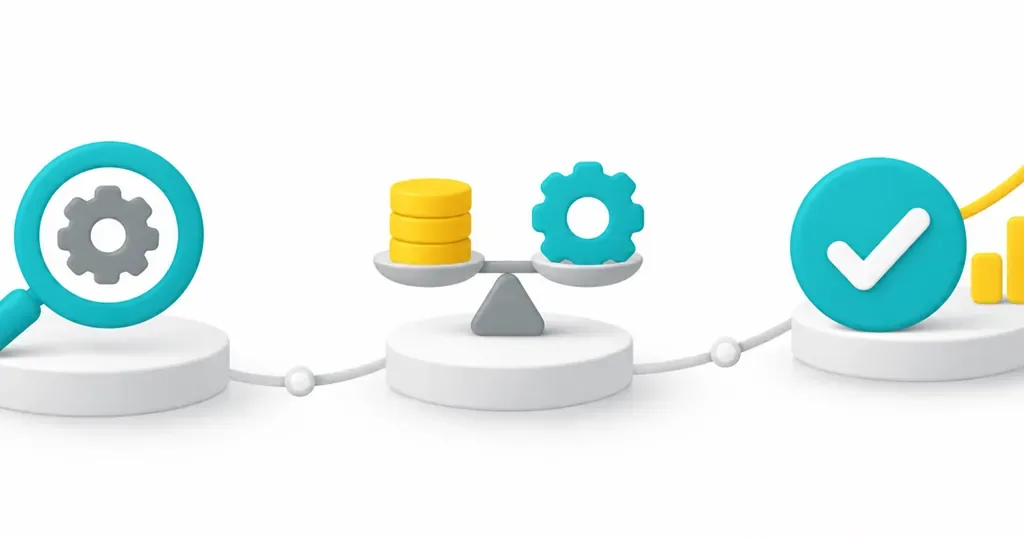
Mai Strategy's three workflow checks can help set investment priorities
・Data check: Can job tickets, due dates, paper stock, and finishing requirements be read consistently?
・Workflow check: Where do scheduling, job combining, route selection, or material handling involve repetitive manual work or waiting?
・Exception check: When artwork changes, rush jobs come in, or equipment stops, who reviews the change and updates the data?
If the bottlenecks are still unclear, the Mai Strategy Knowledge Academy consulting team can review your order workflow. Then ask software and equipment vendors to demonstrate their solutions using the same job ticket
Key Takeaways
・Find duplicate job entry and scheduling delays before deciding whether to buy software or equipment
・AI software needs clear job ticket and capacity data to produce routes that work on the shop floor
・Robots need stable routes and handoffs. A demo can't replace an assessment at your own plant
・Using the same representative job ticket lets you compare software and equipment under the same conditions
A Next Step to Consider
A print plant can start with a common job ticket and check each stage, from design version and job ticket fields through scheduling and equipment handoffs. Designers should specify the size, die line, and finishing requirements. SaaS vendors should explain how data moves between systems. Then ask the vendor to run the full workflow using that job ticket
Further Reading
FAQ
- Should a packaging printer adopt AI software or robotics first?
- Review job ticket data and production workflows first, then find the stable, repetitive tasks that are suited to automation. When workflow information is incomplete, filling in the data is usually more practical than buying a robot
- What can Prinect Touch Free do for a print plant?
- Prinect Touch Free can support production planning based on configured data and target values. In a hybrid printing environment, it can also combine jobs and choose a more cost-effective production route
- Are humanoid robots ready for print plants?
- At SHIFT 2026, speakers said humanoid robots are still at an early stage of development. Print plants should first assess material handling and process handoffs along fixed routes, then decide whether robotics fits their actual conditions
- How can a small or midsize print plant get started with automation?
- Take a representative job ticket through the process from order intake to shipping. Mark repeated data entry, waiting, handling, and exception management, then ask vendors to demonstrate their solutions using that same job ticket
Related articles
The Print × AI weekly
The print and AI know-how designers, brands and enterprises can use before they commit — one email, every week
MINDS Free Tools
AI background removal, brand stamping, and a LINE sticker maker — free design tools, right in your browser, no upload.
MINDS Group
Need actual printing or gifting services?
From premium printing to online ordering and festive gifts — the MINDS Group sister brands take it from here.