
Why Start Hybrid Printing with Job Routing?
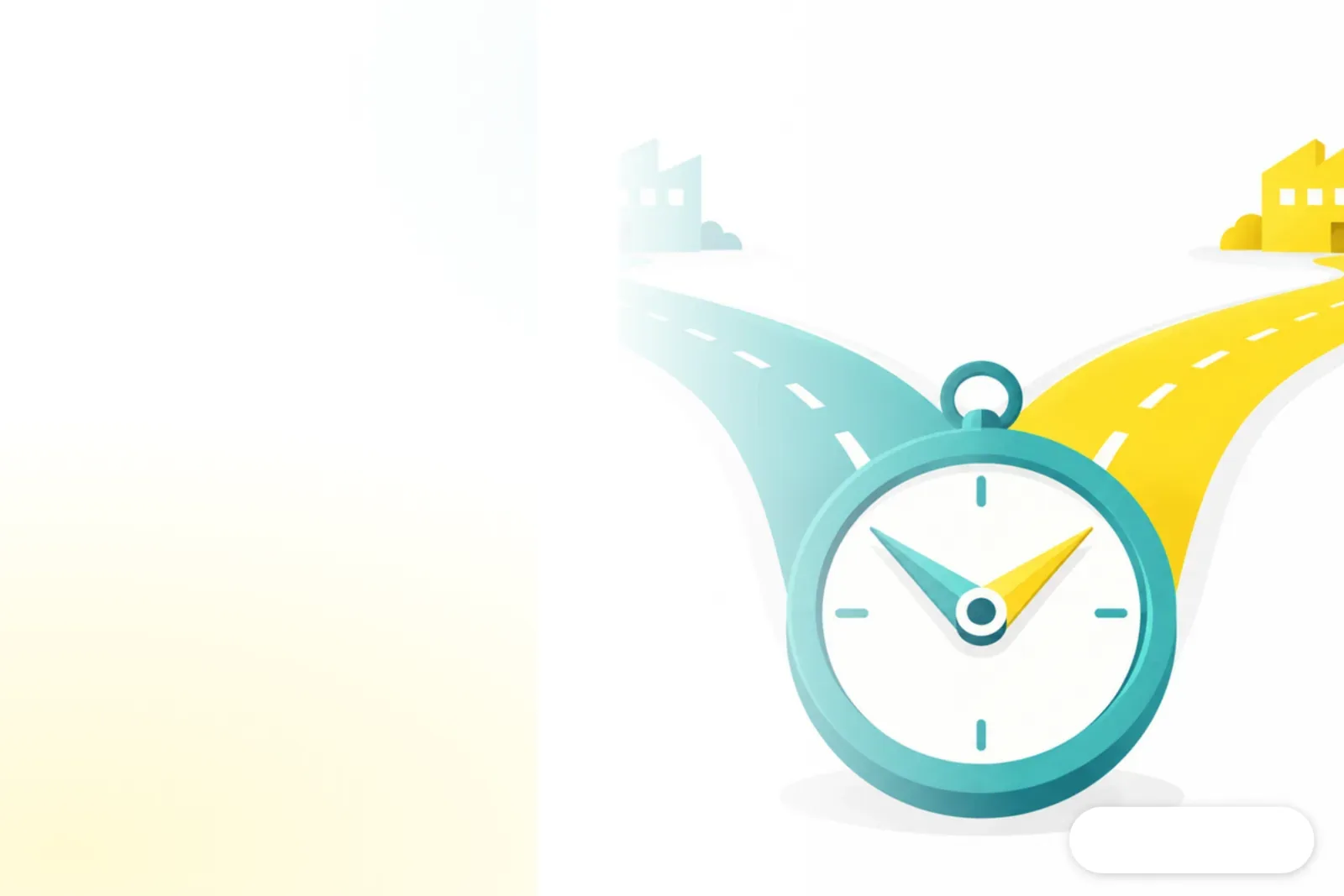
Hybrid printing brings offset printing and digital printing into the same job assessment process, choosing a production route based on each order's requirements. A print shop needs to route jobs correctly before it can tell where automation should begin
German printing equipment manufacturer Heidelberger Druckmaschinen AG showcased AI production planning, automatic job consolidation, and cost-based routing between offset and digital printing at Shift 2026 on October 6 and 7, 2026. More than 300 people from nearly 30 countries attended the event On-site coverage of Shift 2026
Matthias Schmid, CEO of Swiss printing company Schmid-Fehr, said its average job value fell from about €2,800 in 2015 to €800 today. This is one company's experience, not a market average. But it shows that when small jobs increase, the manual work of quoting, scheduling, and changing over machines doesn't shrink along with the job value
How Does Prinect Touch Free Schedule Jobs?
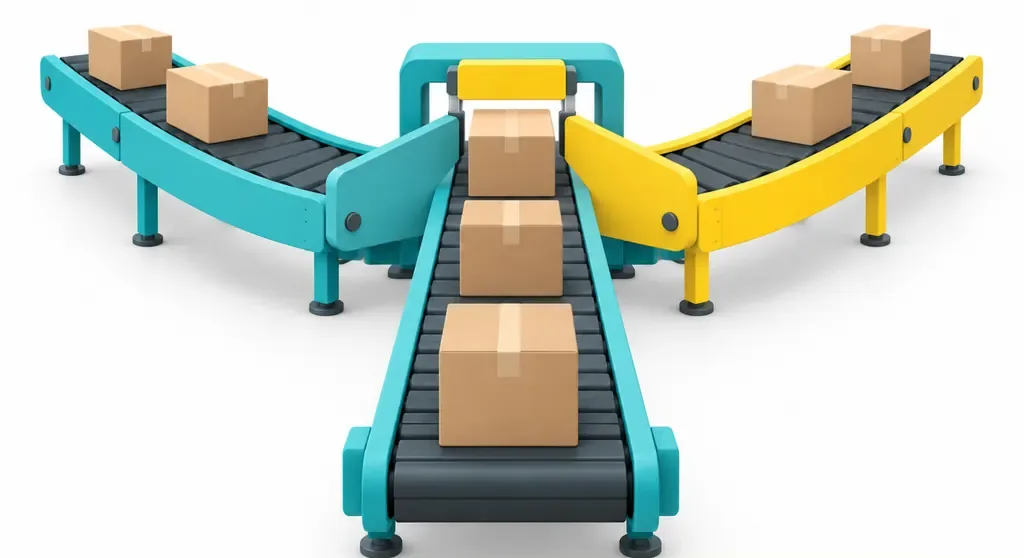
Prinect Touch Free is Heidelberg workflow software that automatically chooses a production route based on predefined job data and economic criteria, applying routing rules to each order
Schmid-Fehr uses it with the Jetfire 50 digital inkjet press and Speedmaster XL 75 offset press. The following day, Heidelberg demonstrated the Jetfire 50 as part of a combined digital and offset production setup at its Home of Print in Wiesloch-Walldorf, Germany, managed by Prinect Touch Free
The report didn't quantify any savings in labor time or cost. What it does confirm is that jobs are assigned according to configured data and economic criteria. I'd first ask whether those criteria are clear and whether scheduling staff can review each assignment
Where Do AI and Robotics Stand Today?
AI has made its way into production planning and administrative Q&A. Robotics is still at an early stage. The report doesn't say humanoid robots have been integrated into the Jetfire 50 and Speedmaster XL 75 print lines
Heidelberg's online portal chatbot can already answer questions about production workflows. German startup Lunes Robotics discussed possible uses for humanoid robots in 3D printing workshops, and the report explicitly said the technology is still getting started
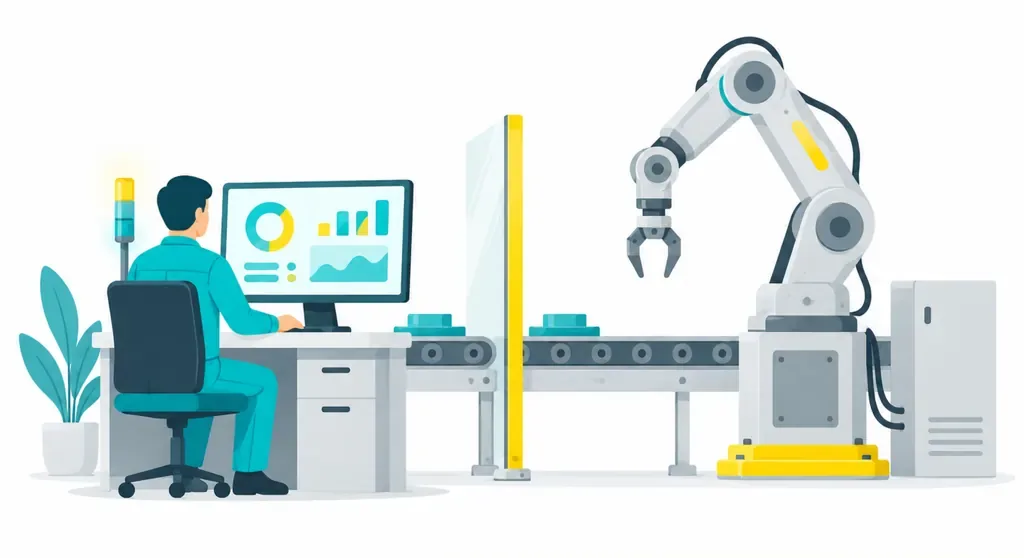
I'd assess the maturity of the two separately. AI can already help decide where jobs should go. For robots, start by assessing fixed tasks such as material handling and loading. Paper conditions, color judgments, and last-minute customer revisions still need to be handled by people on the shop floor. The report describes two areas of progress. It doesn't show them working together on the same print line
How Can Small and Midsize Printers Get Started?
Start by choosing one category of jobs with consistent specifications and complete data for a routing trial. Then decide whether to invest in equipment. Prinect Touch Free, showcased at Shift 2026, schedules production based on predefined job data and economic criteria. A shop can assess both against its current operations
・Organize quantity, size, paper stock, finishing, and delivery date into fields the scheduler can read
・Set clear cost thresholds for digital and offset printing, then compare the system's recommendations with decisions made by experienced schedulers
・Flag missing files, urgent revision requests, and specialty paper as cases for manual review
・Once routing is stable, assess whether fixed tasks such as material handling or loading and unloading are suitable for robots
I'd keep manual review in place and record the differences between system recommendations and actual job assignments. Don't buy a machine yet
How Can Brands and Designers Support Hybrid Printing?
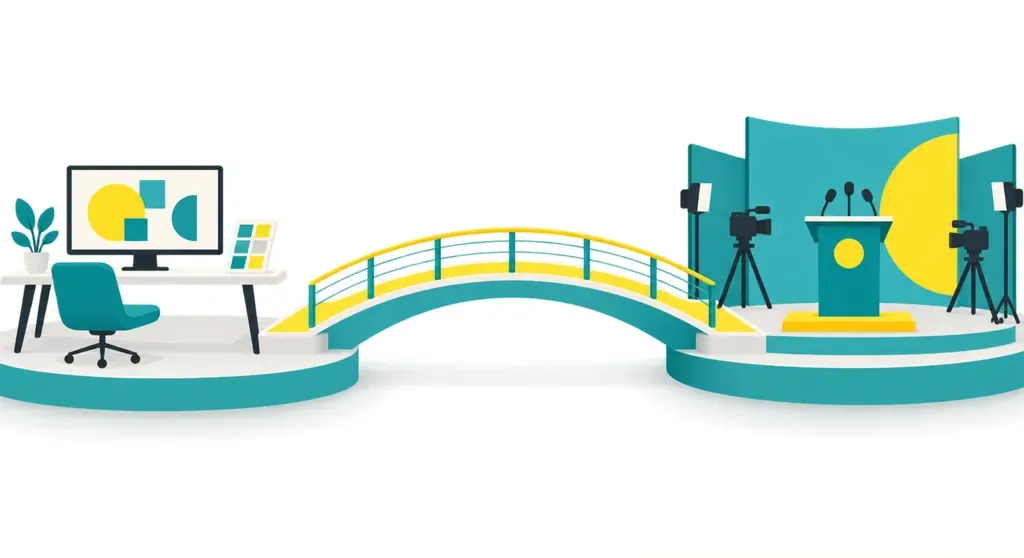
Brand clients should give the print shop the versions, quantities, paper stock, finishing requirements, and delivery date together. That gives designers what they need to confirm at the proposal stage which versions are suitable for production together
Shift 2026 also discussed how midsize print shops compete with online printers through platform-based ordering, niche products, and local service. Complete specifications from the design team can cut down on back-and-forth during quoting and last-minute rescheduling. If paper stock and finishing aren't confirmed at the quoting stage, even fast routing can send a job down the wrong path
Brands with commercial print jobs in multiple versions can bring their actual specifications to MINDS to check production methods and costs. I wouldn't look at the price per sheet alone. Delivery time, changeovers, and consistency across finished products all belong in the calculation
Key Takeaways
・Organize job and cost data first so the machines have a basis for routing work
・Schmid-Fehr's figures of €2,800 and €800 are a signal from one company, not a forecast for Taiwanese print shops
・AI is already being used for scheduling and workflow Q&A. Humanoid robots are still at an early stage
・Have people review exceptions first, then assess whether tasks such as material handling can be handed to robots
Further Thoughts
Plant managers can start with completed jobs, comparing estimate data, actual job assignments, and the reasons for exceptions. That helps identify gaps in the data and routing rules before discussing equipment investments. To review data fields, scheduling criteria, and investment priorities together, contact the Mai Strategy Knowledge Academy consulting team
Further Reading
FAQ
- What is hybrid printing?
- Hybrid printing brings offset printing and digital printing into the same production decision process, routing jobs based on their requirements
- What can Prinect Touch Free do?
- Prinect Touch Free chooses a production route based on predefined job data and economic criteria, and helps assign orders to digital or offset printing
- Has Heidelberg integrated humanoid robots into its print lines?
- The Shift 2026 report discussed possible uses for humanoid robots in 3D printing workshops and said the technology is still at an early stage. It didn't say they had been integrated into Heidelberg's hybrid printing line
- What should small and midsize print shops in Taiwan prepare before adopting AI?
- Start by organizing job quantities, sizes, paper stock, finishing, and delivery dates. Then set clear cost-based routing rules for digital and offset printing, and keep a process for people to handle exceptions
Related articles
The Print × AI weekly
The print and AI know-how designers, brands and enterprises can use before they commit — one email, every week
MINDS Free Tools
AI background removal, brand stamping, and a LINE sticker maker — free design tools, right in your browser, no upload.
MINDS Group
Need actual printing or gifting services?
From premium printing to online ordering and festive gifts — the MINDS Group sister brands take it from here.