
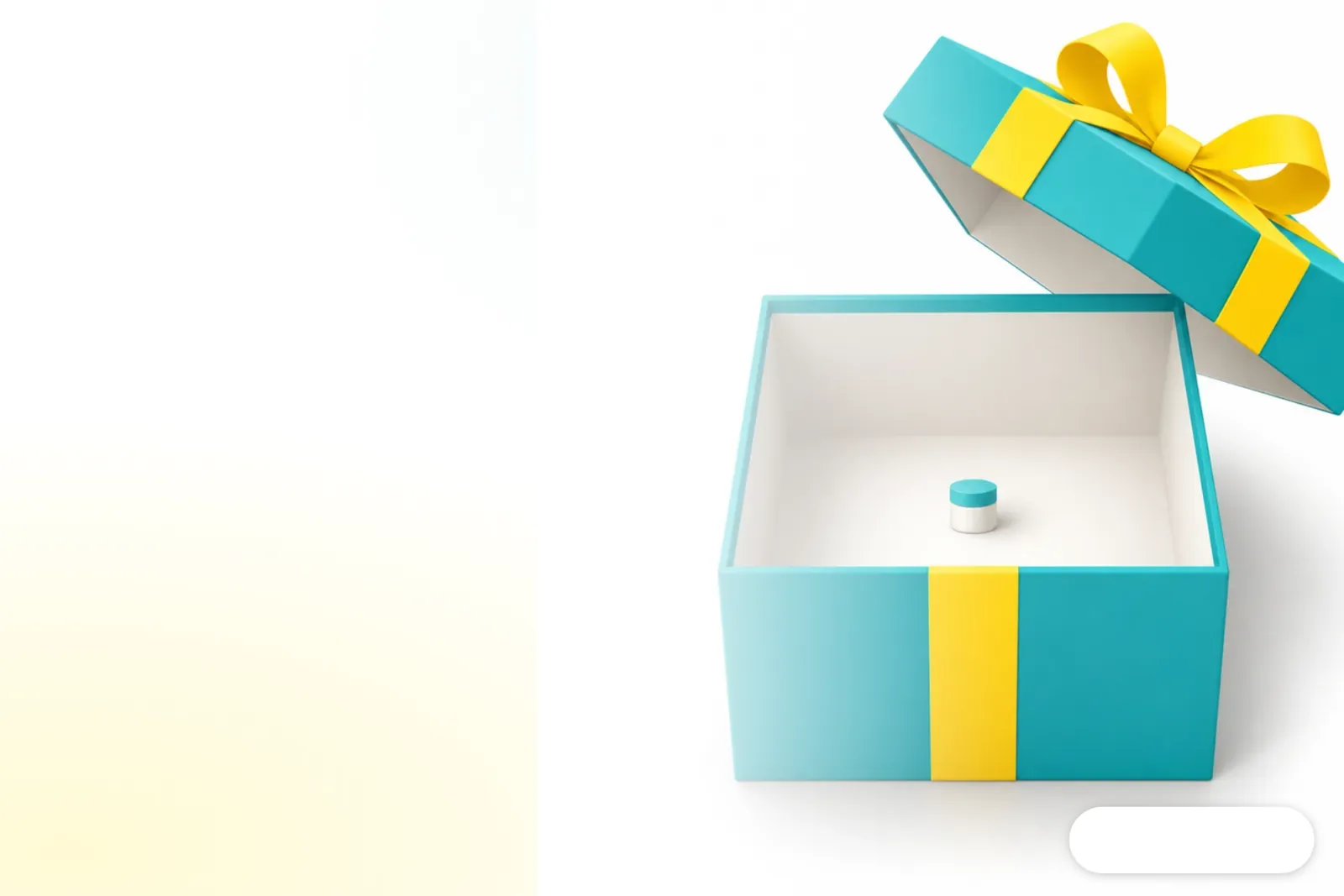
Why does going one size up raise both brand costs and operational pressure?
Oversized packaging raises brand costs and may add to the workload on the packing line. MINDS can use the "Three Checks for Right-Sized Packaging" before sampling to review dimensions, protection, and packing conditions, so brands can see which parts of the process a size change will affect
Oversized packaging means the outer package is larger than needed to secure the product, provide necessary protection, and ship it under normal conditions. Operational efficiency looks at how the packaging process uses materials, labor, and time. Both belong in decisions about package size. The "Three Checks for Right-Sized Packaging" reviews them together
Episode 5 of ColorDynamics Packaging's PackPod, the company's video series on packaging, focuses on how oversized packaging affects brand costs. Episode 6 looks at operational efficiency. I'll use the "Three Checks for Right-Sized Packaging" to consider both episodes together and ask whether the size decision accounts for carton packing and the steps that follow. PackPod Episodes 5 and 6
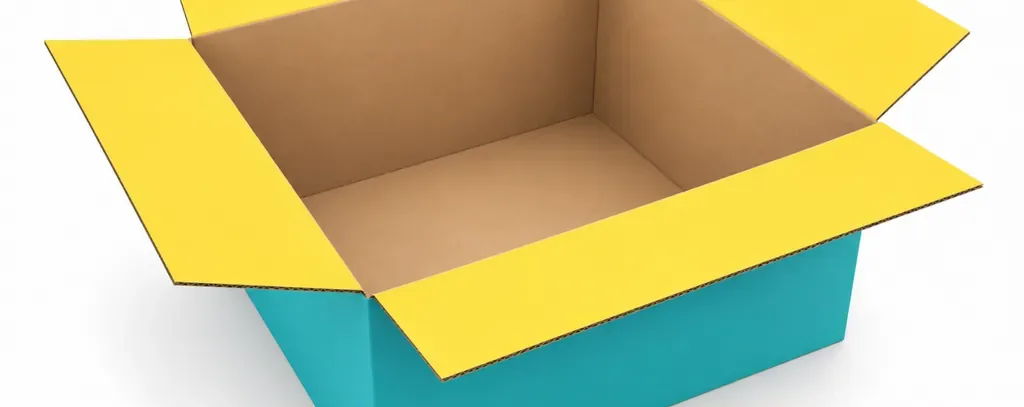
Where does all that extra space show up on the bill?
A larger package can add costs beyond paper, extending to shipping space and packing steps. The "Three Checks for Right-Sized Packaging" reviews all three, so purchasing teams don't just compare the price of each box
・The paper check in the "Three Checks for Right-Sized Packaging" looks at box-panel dimensions and imposition. Imposition is the layout of multiple box panels on a single sheet. Larger dimensions can change the layout and increase trim waste
・The loading check in the "Three Checks for Right-Sized Packaging" looks at shipping cartons and pallets. A pallet is a platform for stacking and moving goods together. Once shipping cartons get larger, each loading position may hold fewer units
・The workflow check in the "Three Checks for Right-Sized Packaging" looks at the empty space inside the box. If the brand fills it with cushioning material, that means more material and another step to place it. If it doesn't, the product's securing method needs another check
That's why I don't treat "how much more each box costs" as the full packaging bill. The "Three Checks for Right-Sized Packaging" also checks units per carton and how the team loads and seals boxes on site
Does a bigger box make the product safer?
A bigger box doesn't automatically make a product safer. The "Three Checks for Right-Sized Packaging" confirms whether the extra space provides real support or cushioning
Take a product with fixed dimensions. If the outer box gets wider but the insert stays the same size, the product may still move around inside. Protection depends on whether the insert can limit that movement. That's why the "Three Checks for Right-Sized Packaging" calls for putting the product in a sample box and checking it in place
I don't equate visual whitespace with protection. The proportions of the box face can change to suit the brand, but the product's securing method needs checking too. The "Three Checks for Right-Sized Packaging" puts the sample through both a visual review and a packing check
How can you tell if the package is the right size before sampling?
It's best to confirm dimensions before finalizing the sample. The "Three Checks for Right-Sized Packaging" goes in this order: measure the product, check the print and formed box, then test the carton packing
・① The first check in the "Three Checks for Right-Sized Packaging" is to measure the product and accessories, note how they will actually sit in the box, then use a sample to confirm the insert can support the product. A die is the tool that cuts the box outline and crease lines from the flat layout. The printer should confirm its dimensions
・② The second check in the "Three Checks for Right-Sized Packaging" is to ask the printer to review the imposition and confirm whether a larger box face makes the sheet layout more fragmented. If the dimensions change, the box structure needs another review too
・③ The third check in the "Three Checks for Right-Sized Packaging" is to put the sample box into a shipping carton and check the number of units per carton, handling method, and pallet stacking. If the shipping method changes, the dimensions can't be decided from the design file alone
How should small and midsize print shops and brands confirm dimensions together?
Small and midsize print shops and brands should put responsibility for the dimensions on the same spec sheet. The brand explains the product-protection, shipping-channel, and unboxing requirements. The printer confirms whether the die, paper imposition, and forming process will work
Episode 6 of ColorDynamics Packaging's PackPod connects package size with operational efficiency. It offers small and midsize print shops a practical reminder: when quoting, ask not only for the box's length, width, and height, but also how the product goes in, how the shipping carton is packed, and how boxes are sealed on site. Then the "Three Checks for Right-Sized Packaging" has the full set of conditions to review
Brands can note the reason for a size change on the sampling order, including why the box is getting bigger, what protection it needs, and whether the change affects the number of units per carton. That way, the printer doesn't have to guess from a rendering, and purchasing can tell visual preferences apart from shipping requirements. The "Three Checks for Right-Sized Packaging" gives both sides the same spec to work from
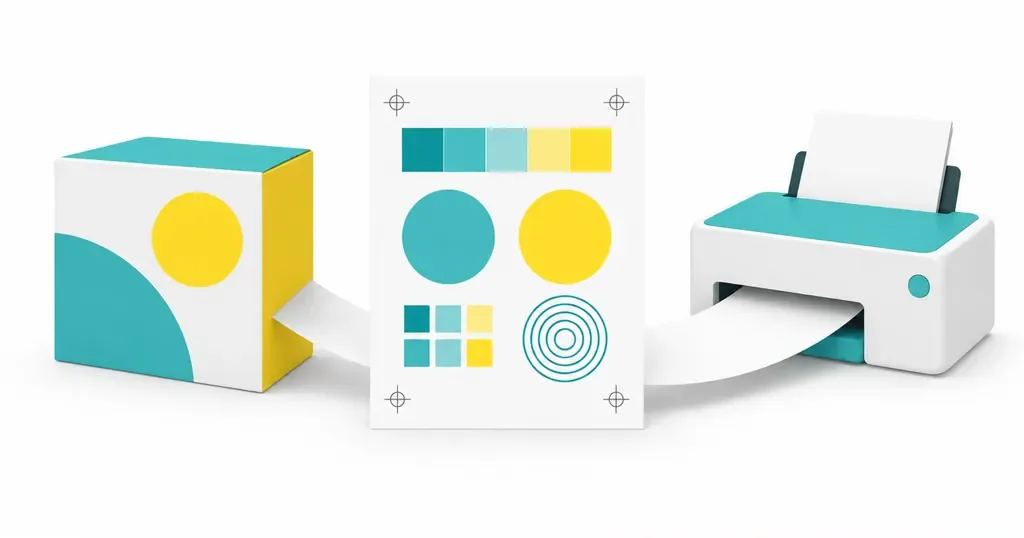
Key takeaways
・Package dimensions affect materials, shipping space, and packing steps at the same time
・Compare the price per box alongside full-carton loading, storage, and on-site work
・The Three Checks for Right-Sized Packaging measures the product first, checks the printed and formed box next, then tests carton packing
・Make a sample box first
・Then check the full carton
Further thoughts
Small and midsize print shops can explain die, sheet-layout, and forming constraints before quoting. Designers can confirm the insert and shipping carton before settling on the visual dimensions. AI (artificial intelligence) can organize material-use and carton-packing assumptions for different sizes, but a sample box still needs to be checked in person. SaaS (software as a service delivered online) can keep a record of product dimensions, box versions, and packing methods, giving the team one spec to refer to when making changes. Brands planning a new custom box can work with MINDS to check the details before sampling. The next step for the "Three Checks for Right-Sized Packaging" is a sample box and a complete spec
Further reading
FAQ
- Does a bigger package always cost more?
- Not always, but a larger size can change the sheet imposition, shipping-carton capacity, and how the box is filled. The "Three Checks for Right-Sized Packaging" includes all of these in the total-cost review
- How much space should I leave in the package?
- Make a sample box based on the product, insert, and protection it needs, then test it inside the shipping carton. The "Three Checks for Right-Sized Packaging" sets the dimensions based on how the product is secured and the carton-packing results, not a guess from the design
- Can a printer help a brand find oversized packaging?
- A printer can help check the box structure, imposition, and forming requirements. The brand also needs to provide the product and shipping requirements so the "Three Checks for Right-Sized Packaging" can review the complete package
- Can AI pick the most cost-effective box shape directly?
- AI can organize size options, but a layout that saves material may not secure the product or pack smoothly into cartons. The "Three Checks for Right-Sized Packaging" still needs a sample box and carton-packing test to confirm
Related articles

The Print × AI weekly
The print and AI know-how designers, brands and enterprises can use before they commit — one email, every week
MINDS Free Tools
Spine width and imposition calculators — skip the manual math, free in your browser.
MINDS Group
Need actual printing or gifting services?
From premium printing to online ordering and festive gifts — the MINDS Group sister brands take it from here.