
Why Isn't This Simply a Matter of Switching to Thinner Paper?
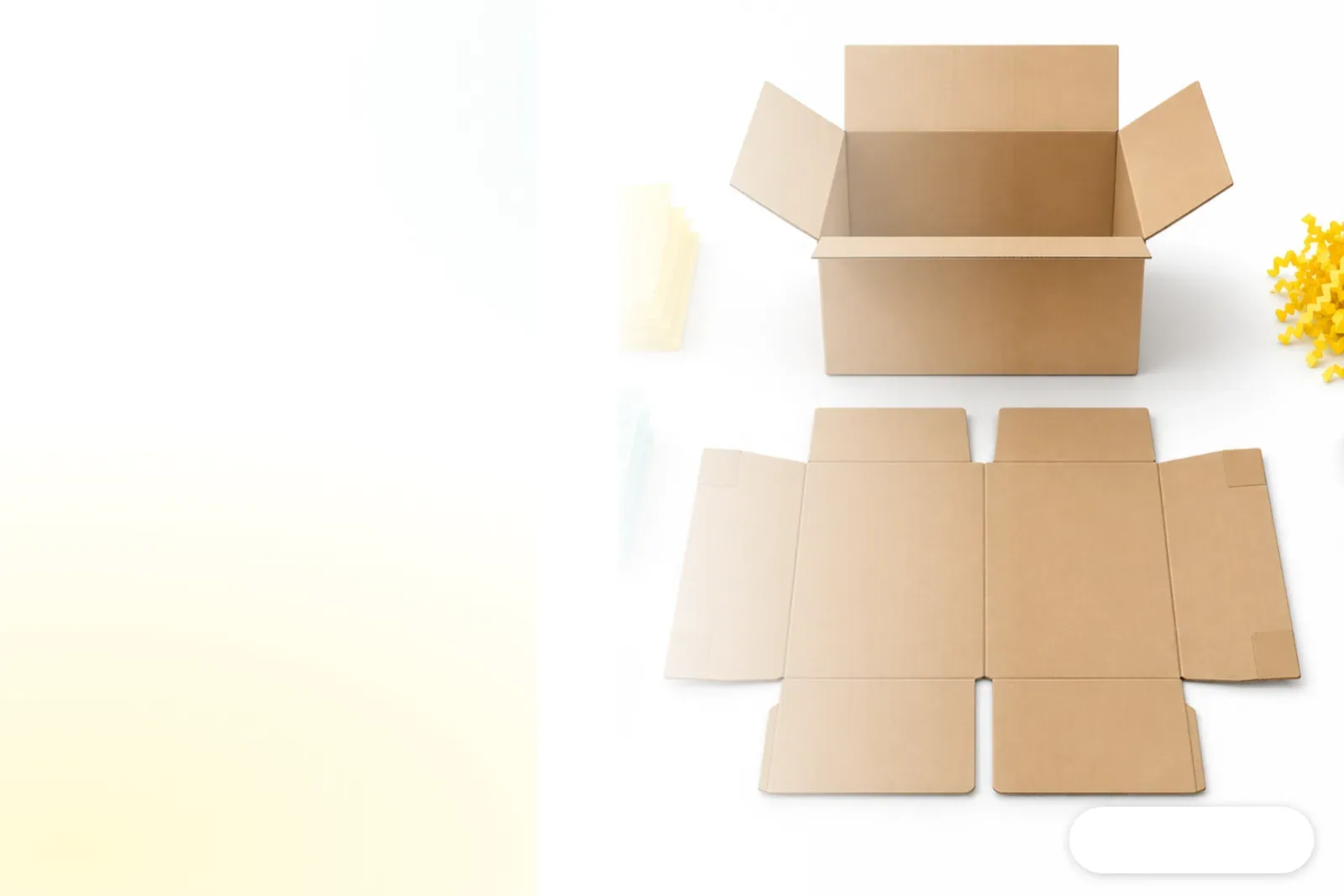
This is not simply a matter of switching to thinner paper, because Mondi first sorted out the products, transport conditions, and packaging variants before deciding on corrugated board specifications. Corrugated packaging optimization means reworking packaging specifications around product weight, shipping conditions, and printing requirements, reducing variants, changeovers, and overproduction while preserving product protection. Stiebel Eltron had around 150 packaging variants for its water heaters, and Mondi cut the corrugated board grades used by more than 75%. The source also confirms that product protection was maintained
This figure should not be read as every box being switched to thinner paper. The factory-floor headache is that each product ends up with its own carton format and paper specification, making procurement, warehousing, and print changeovers more complicated. I would ask how to group the products first, then whether the board can be made thinner. Reverse the order and the problem usually gets pushed into transport
See the original case: Mondi Optimizes Corrugated Packaging for Stiebel Eltron

How Did Mondi Organize Around 150 Packaging Variants?
Mondi's approach was to group products by weight and transport requirements, then find a suitable brown corrugated board grade for each product group. A corrugated board grade is a specification category that classifies board by its structure, paper materials, and load-bearing use. Factories use these grades to plan materials, changeovers, and validation. Stiebel Eltron had around 150 packaging variants. This grouping let Mondi organize a complicated mix of packaging combinations into a smaller set of board families
In practice, the specification sheet should place product weight, transport conditions, current carton format, and required print information in the same row, so you can first see which requirements are genuinely the same. This is not about crudely merging 150 boxes, because product protection remains the starting point. Whether formats can be combined has to be settled through physical prototypes and transport testing. Without a basis for grouping, board reduction is just guesswork
How Does White Digital Printing Balance Shelf Display and Production?
Mondi adapted the original four-color print design to brown corrugated board with white digital printing, allowing multiple designs and print runs to share the same material substrate. White digital printing is a digital printing method that adds white graphics or a white ink layer to brown corrugated board, so the board's brown base does not dictate every visual treatment. The case says that small type, QR codes, and barcodes can still be reproduced
This setup addresses two shop-floor problems at once. The brand team needs to preserve recognition in retail displays, while the production line needs fewer changeovers and must avoid producing excess packaging in advance for different versions. White digital printing gives the design team room to make quick adjustments, but the source provides no figures for color variation, speed, or carbon emissions. So I would not call it the best answer for every package. Start with a physical proof using the actual brand artwork, check small type, scanning, and viewing distance on the shelf, and only then make the call
Why Should Brand Procurement Teams Revisit This Case?
This case deserves a second look because it handles product and transport conditions, board specifications, and brand print versions within a single design system. Stiebel Eltron started with around 150 packaging variants and ended up addressing both board grades and the print substrate. For procurement, this is not just a one-off carton design. It is a specification framework that can support future product launches
Brand procurement teams often put "reduction" on page one of the brief, then hand off board, printing, and barcode validation to separate suppliers. With that split, a design can be signed off before anyone discovers that the board material and production conditions do not fit. If AI or SaaS is introduced, the fields should record product weight, transport requirements, board grade, print version, and validation results. A tool can compare versions and flag missing data, but it cannot replace physical carton testing
How Can Taiwanese SMEs Put This into Practice?
For a Taiwanese SME to put this into practice, start by putting structural, transport, and printing conditions into one specification sheet, then carry out prototype and production validation. The Mondi case reduced board grades by more than 75%, but the source does not disclose board thickness, compression-test values, or carbon reduction. None of these can be used as promised figures for a Taiwanese project
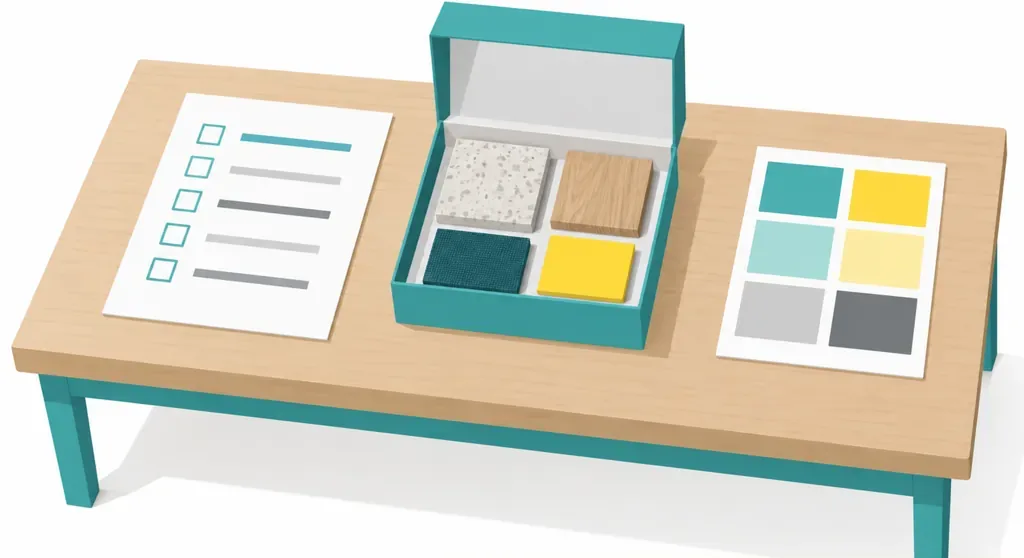
I would run the first round through Mai Strategy's three-gate print check:
・1. Specification gate: List each product's weight, transport requirements, existing packaging variants, and required barcodes. First identify the requirements that are genuinely the same
・2. Structural gate: Confirm the carton format, stacking, handling, and product protection. Validate them with physical prototypes. Do not make a 75% reduction a preset target
・3. Printing gate: Compare four-color printing with white digital printing. Check small type, QR codes, barcodes, and shelf appearance, then record the risks of changeovers and overproduction
When brand visuals need to be turned into prototype files ready for handoff, use MINDS' custom printing workflow to align the specifications. Board structure and transport testing still need to be confirmed jointly with the packaging supplier
Key Takeaways
・Reduce board grades by first organizing product families and transport conditions. Do not make thinning the only answer
・Organizing 150 packaging variants takes grouping and validation, not a single sustainability slogan
・White digital printing lets multiple designs and print runs share one material substrate. Changeovers and overproduction need to be checked at the same time
・Small type, QR codes, barcodes, and retail display are all items to sign off during prototyping
Further Thoughts
The printing and manufacturing side can start by building a cross-reference table matching board grades, carton formats, and print versions. The design team can include shelf-facing panels, barcodes, and small type in prototype sign-off. Brand procurement can manage variants by product family. The practical role of AI or SaaS is to read the same specification data, compare conflicting versions, and flag missing validation fields. It cannot replace stacking, handling, or product-protection tests. Looking at Stiebel Eltron's roughly 150-variant case, the first job worth doing is to lay out the current packaging list, find the board grades and print substrates that can be shared, and then decide which items are worth reworking
Further Reading
FAQ
- Why was Mondi able to reduce the corrugated board grades used for Stiebel Eltron by more than 75%?
- Mondi first grouped products by weight and transport requirements, then selected a suitable brown corrugated board grade for each group. That simplified the roughly 150 packaging variants while maintaining product protection
- Is white digital printing suitable for all corrugated packaging?
- Not necessarily. This case shows that multiple designs and print runs can share one material substrate and that small type, QR codes, and barcodes can still be reproduced. Brands still need to make a proof first and check shelf presentation and scan readability
- What should a Taiwanese small or medium-sized printing plant do first?
- First organize product weight, transport requirements, existing packaging variants, and print versions, then use Mai Strategy's three-gate print check to validate specifications, structure, and printing
- How much carbon reduction did this case report?
- None. The source does not provide figures for carbon reduction, board thickness, or test results. The facts that can be cited are a more-than-75% reduction in board grades and a switch from four-color printing to white digital printing, which helped reduce changeovers and overproduction
Related articles

The Print × AI weekly
The print and AI know-how designers, brands and enterprises can use before they commit — one email, every week
MINDS Free Tools
Spine width and imposition calculators — skip the manual math, free in your browser.
MINDS Group
Need actual printing or gifting services?
From premium printing to online ordering and festive gifts — the MINDS Group sister brands take it from here.