
Why did Kärcher put its recycled plastic message on the packaging?
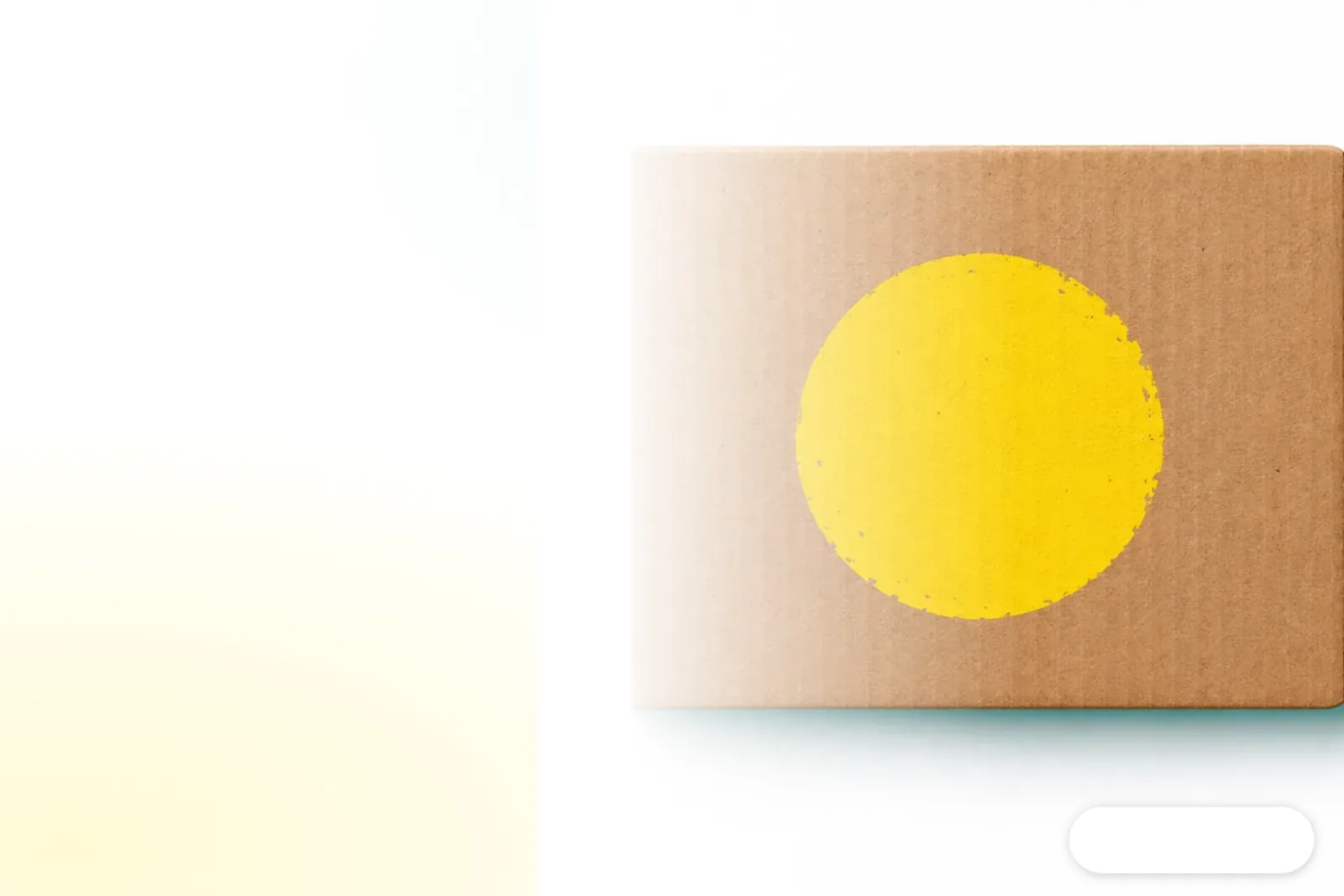
Kärcher, a German cleaning equipment manufacturer, wanted the packaging for its new street sweeper to show that the product uses recycled plastic. Mondi, a paper manufacturer, developed digitally printed packaging on brown paperboard for the project. Digital printing transfers images directly from digital files. It lets brands adjust packaging quantities and artwork as needed, making it a good fit for production with scattered demand
From the original case study, MINDS, a mid-to-high-end commercial printer specializing in fully customized work, sees the natural brown of the paperboard conveying its material character, while the recycled plastic message becomes part of the packaging design. Packaging can play a role in environmental communication, but brown paperboard alone is no proof of reduced carbon emissions. The original article provides no emissions figures, so brands still need material documentation to support public claims
How does brown paperboard show Kärcher's brand yellow?
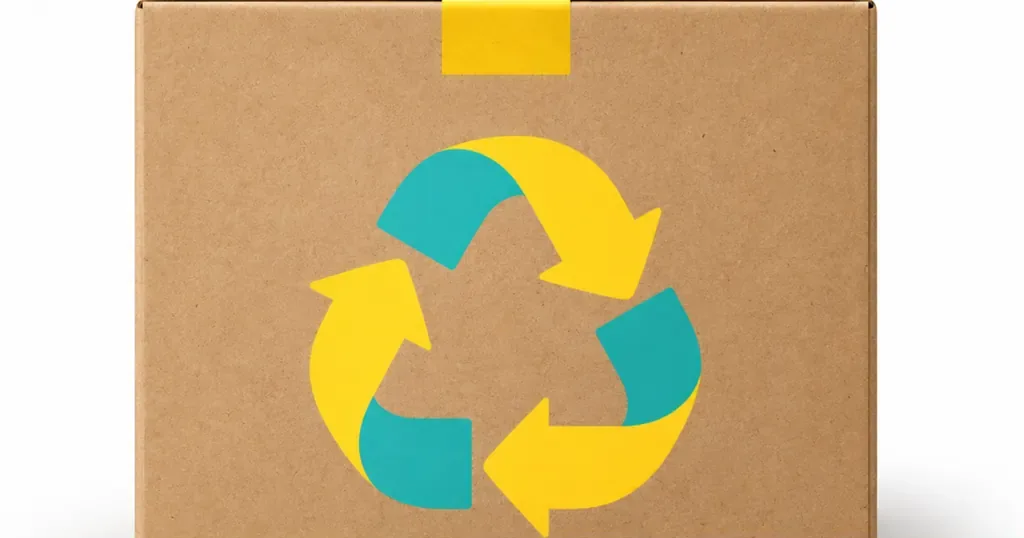
It can. Mondi used multicolor digital printing with a white ink undercoat to keep Kärcher's signature yellow opaque and high-contrast, while leaving parts of the brown paperboard visible. A white undercoat is a layer of white ink printed on brown paperboard before the colors are added. It helps vivid colors stay recognizable while letting selected areas retain the paper's natural color
The case says that photos, graphic details, small text, and EAN barcodes (European Article Number, a product identification code) can all be reproduced clearly. Mondi says the white ink also adds depth to the images and gives them a three-dimensional feel. For this kind of packaging, I'd first ask whether a proof on the actual paperboard has been signed off. A color swatch on screen can't stand in for the result on paper. The brand yellow, photo details, and barcode all need to be checked on the production stock
What kind of costs can digital printing save a brand?
The cost benefit this case supports is the ability to match packaging quantities to demand, reducing the risk of excess inventory. Mondi has not disclosed the cost per box or the amount saved. MINDS won't present inventory flexibility as proof that the unit price will be lower
Brand procurement teams can put reprints, version changes, and obsolete stock into the same requirements sheet, then ask suppliers to propose suitable batch sizes and lead times. That gives them a basis for comparing actual costs. For B2B products with scattered demand, it's worth calculating whether printing fewer boxes upfront could avoid a batch that goes unused. The case does not say whether digital printing is cheaper than other print methods
Does approval for water-based ink mean the whole package is environmentally friendly?
No. The Mondi case says it used water-based ink approved by Swiss Quality Testing Services (SQTS) for primary packaging, the layer that comes into direct contact with the product. This confirms the ink has approval for that use. It does not, by itself, prove that the whole package is recyclable or has a lower carbon footprint
The original article gives no details about the paperboard's recycling route, material composition, or emissions comparison. The first thing I'd ask in a case like this is what documents the brand has to support its environmental claims. Before making a public claim about lower emissions or recyclability, the brand should request the relevant specifications from its material and printing suppliers, then confirm the wording it plans to use
How can Taiwanese brands turn this case into a procurement specification?
Taiwanese brands can use the "MINDS three-point packaging check" to review materials, print proofs, and environmental claims together before placing an order
・1. Materials: The MINDS three-point check distinguishes whether recycled plastic is used in the product or the packaging, and keeps the paperboard specification on file
・2. Proofing: The MINDS three-point check uses a proof on the production paperboard to review the brand yellow, white ink, small text, and EAN barcode
・3. Claims: The MINDS three-point check only includes claims supported by evidence. Without an emissions calculation, it makes no claim about the amount of carbon saved
Brands that want to bring packaging specifications, procurement requirements, and public messaging into one review process can discuss the details with the Mai Strategy Knowledge Academy consulting team. MINDS recommends bringing the current packaging, print proofs, and supplier documentation to the conversation

Key takeaways
・MINDS does not treat brown paperboard as proof of reduced carbon emissions
・MINDS checks the physical sample first
・MINDS then checks the documentation
・MINDS recommends factoring digital printing's flexibility into inventory costs
Further thoughts
Print manufacturers can include brown paperboard, a white ink undercoat, and multicolor digital printing in their proofing proposals. Designers should mark the areas where the paper color will show through and where white ink will cover it. AI can help compare text and approved assets across packaging versions, and flag claims such as "recycled" or "lower carbon" when their supporting evidence fields are missing. A person still needs to check the documents. SaaS (Software as a Service) can store version history, proof approvals, and the evidence behind claims. MINDS recommends starting with a short run of one B2B package with frequently changing demand. Track production volume, inventory, and waste before deciding whether to scale up
Further reading
FAQ
- Can vivid brand colors be printed on brown paperboard?
- Yes. Mondi used a white ink undercoat beneath the color artwork to keep Kärcher's brand yellow high-contrast. MINDS recommends checking the color with a proof on the production paperboard
- Can digital printing reduce packaging inventory?
- Digital printing lets brands match packaging quantities to demand, reducing the risk of excess inventory. The Mondi case gives no figure for the actual inventory reduction, and MINDS won't invent a percentage
- Does water-based ink mean the packaging is recyclable?
- No. The case only says the ink was approved by SQTS for primary packaging. It gives no information about the recycling route for the full package. MINDS recommends checking the material specifications and recycling requirements separately
- How should brand procurement teams specify sustainable packaging?
- MINDS recommends requesting the material specifications, a print proof on the production paperboard, and evidence for environmental claims, then keeping the verified results in the packaging version record
Related articles
The Print × AI weekly
The print and AI know-how designers, brands and enterprises can use before they commit — one email, every week
MINDS Free Tools
Spine width and imposition calculators — skip the manual math, free in your browser.
MINDS Group
Need actual printing or gifting services?
From premium printing to online ordering and festive gifts — the MINDS Group sister brands take it from here.