

What Problem Does Mixed-Plastic-to-Green-Hydrogen Technology Actually Solve?
The latest chemical recycling technology has successfully turned hard-to-sort mixed packaging waste into high-purity hydrogen, opening a second-use pathway for composite plastics that used to end up in landfill or incineration
Chemical Recycling: a technology that breaks down and recombines waste plastic molecular chains into base materials or fuels through pyrolysis or gasification, designed for mixed and multilayer composite packaging waste that traditional mechanical recycling cannot clean or sort
According to recent coverage by international packaging media on turning mixed plastic waste into green hydrogen, this breakthrough addresses the end-of-life disposal problem of high-barrier flexible composite packaging
In prepress meetings, brand clients often ask me this: if composite bags are excellent at blocking moisture and oxygen, and end-of-life systems can now refine waste plastic into green hydrogen, does that mean print procurement no longer needs to change structures for the sake of recyclability?
My answer is blunt: not so fast
This technology does raise the economic value of waste, but from a full life cycle assessment (LCA) carbon perspective, the heat energy needed to crack plastic at high temperature for hydrogen production is still higher than that of traditional mechanical recycling
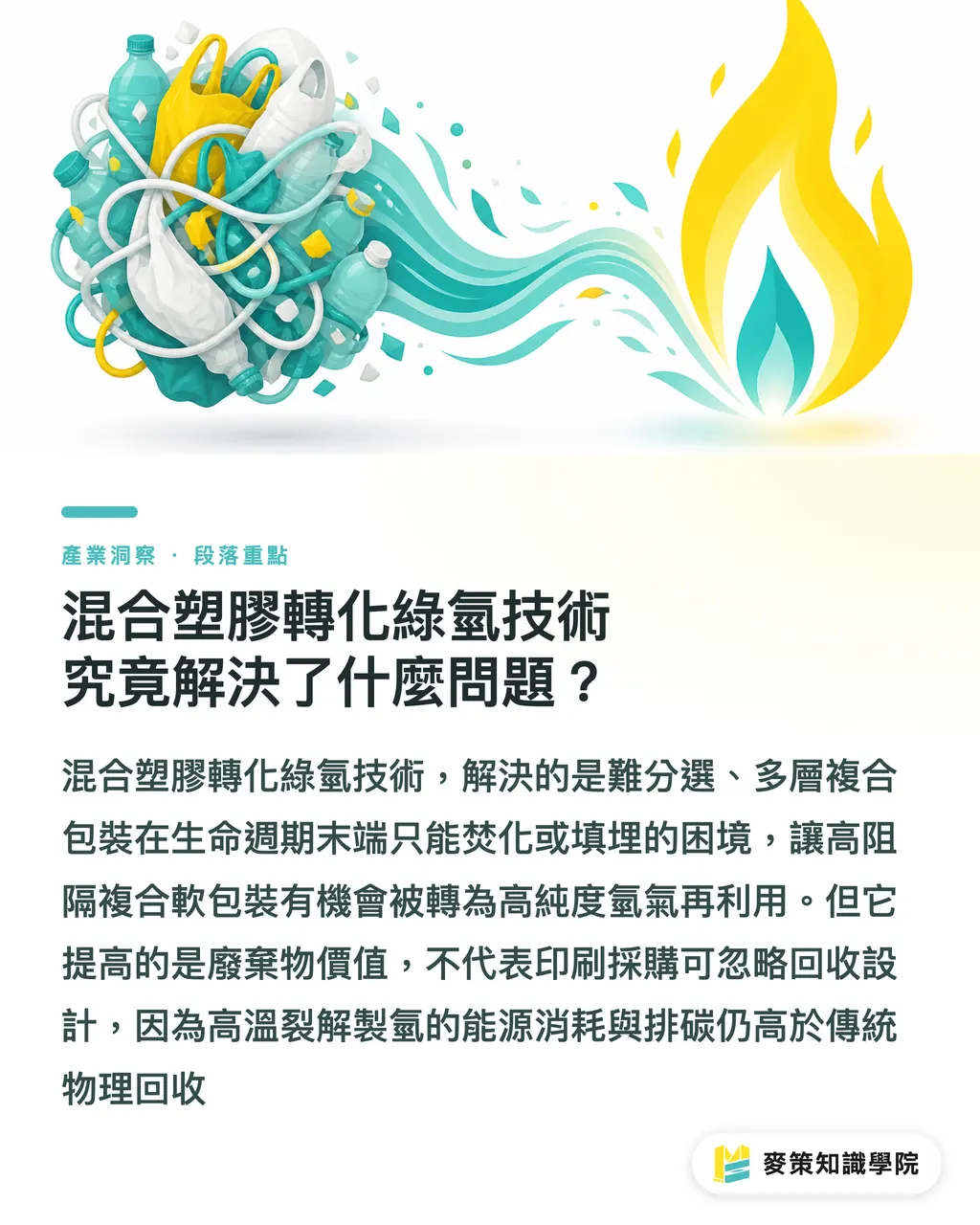
Does an End-of-Life Technology Breakthrough Mean Brands Can Loosen Packaging Design?
No. Global regulatory inspections still focus on source reduction and design for recyclability. Progress in end-of-life treatment will not loosen a brand's extended producer responsibility
The EU Packaging and Packaging Waste Regulation (PPWR) and California SB 54 have both set clear timelines, forcing beauty, food, and e-commerce packaging to move toward refillable or mono-material designs
Many export clients used to think that printing a plastic recycling symbol on the packaging box was enough to clear customs. Then the container arrived at customs, only for them to be told that the material was a hard-to-recycle composite film, exposing them to steep environmental taxes or even returned goods
Here is how the two recycling paths differ in practice:
・Mechanical recycling: mature technology with lower cost, best established for single PE or single PP materials, and currently the compliance path most recognized by customs and recycling systems across countries
・Chemical recycling: able to process mixed laminated films, but high facility costs and the energy loss from chemical cracking still leave it ranked behind source reduction in green procurement scoring
How Can Brand Owners Avoid Structural Pitfalls During Prepress Procurement?
Brand owners should apply Design for Recycling (DfR) standards during the design stage and remove material structures that damage recycling value directly from the prepress workflow
Over the past few years, I have seen too many cases on production lines where poor structural design caused entire batches of scrap to be written off
To avoid pitfalls while balancing product protection with ESG compliance, brands should review the following three steps:
1. Prioritize all-PE or all-PP mono-material plastic structures instead of traditional high-barrier composite films laminated with PET, aluminum foil, or PVC
2. Control the coating amount of lamination adhesives and printing inks. Avoid oil-based adhesives that are hard to wash and separate, or overly thick water-based coatings, so contamination during recycling washing is reduced
3. Build a complete packaging record and prepress review mechanism, making sure certification documents can be provided for everything from paper certification to plastic substrates in line with the importing country's requirements
When planning mid- to high-end commercial packaging and structural validation, consult the prepress specialists at MINDS for material testing, so the design artwork becomes a physical product that can pass customs inspection
A Packaging Transformation Strategy for Global Sustainability Rules
Packaging transformation is not just an added procurement cost. It is a long-term investment in export barriers and consumer trust
From what I have seen over more than a decade on the front line of prepress and print production, regulations usually tighten faster than companies expect
California SB 54 and the EU PPWR have already moved material review straight to the customs gate. The days of passing through traditional gray areas are over
It is simple
If brands include material recyclability and prepress structure in decision-making early in product development, they can avoid the extra cost of customs holds and repeated proofing revisions
Only by turning compliance requirements into clear packaging design standards can brands keep shipments stable in the wave of green consumption
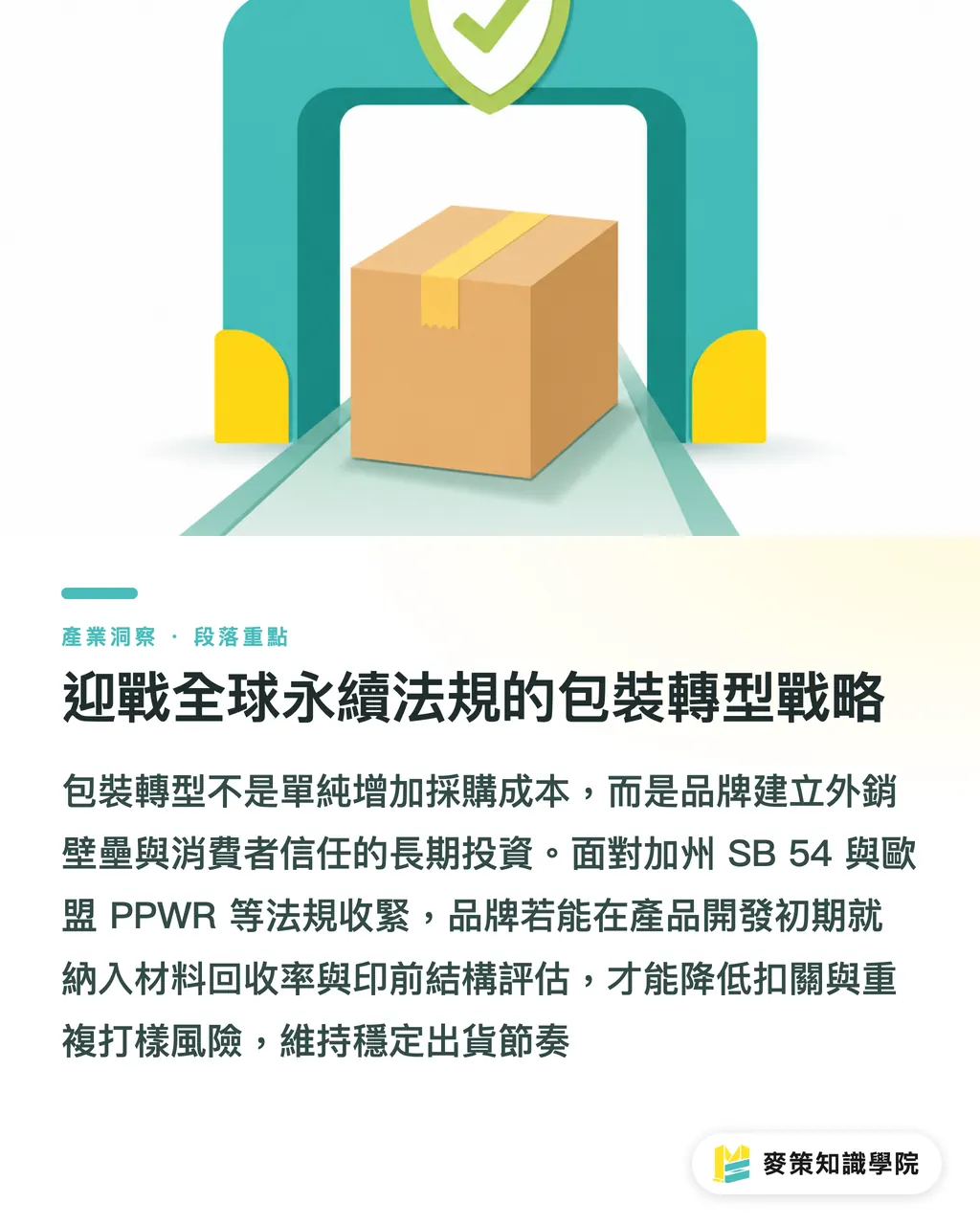
Key Takeaways
・End-of-life chemical recycling into green hydrogen gives composite plastics a second life, but it cannot replace the mandatory source-reduction requirements under EU and California regulations
・Mechanical recycling systems are still the first choice for export customs clearance, so brand packaging should move first toward single PE or single PP materials
・Applying prepress Design for Recycling (DfR) helps brands avoid recycling pitfalls such as composite films and excessive bonding, reducing the risk of high environmental taxes
・Complete packaging records and material validation are key strategies for brands responding to international EPR rules and building export advantages
Further Thinking
For print manufacturing and packaging design, breakthroughs in packaging technology create more possibilities for material combinations, but they also make prepress material review more complex
In the future, using AI for packaging material carbon footprint estimates and automated DfR compliance checks will become an essential tool for print SaaS and design teams that need to improve efficiency
Brands should not passively wait for regulators to issue penalties. They should work with professional prepress teams now, review the structures of existing product packaging, and write mono-material targets and green printing standards into next quarter's procurement specifications
Further Reading
FAQ
- After waste-plastic-to-green-hydrogen technology becomes widely available, do brands still need to switch to mono-material packaging?
- Yes. Although chemical recycling into green hydrogen can process composite plastics, international regulations such as the EU PPWR and California SB 54 still rank source reduction and mechanical recycling as the highest compliance levels. Mono-material structures are what help ensure smooth customs clearance
- What is Design for Recycling (DfR) in packaging?
- Design for Recycling means considering the recycling efficiency of materials after disposal from the earliest design stage. By choosing mono-materials, easily separable inks, and non-toxic adhesives, brands can help packaging enter the resource circulation system smoothly after disposal
- How can brands assess whether existing packaging structures meet export environmental regulations?
- Brands can use a full packaging life cycle assessment (LCA) to review the carbon footprint of materials, then work with a professional prepress team to inspect composite-layer lamination methods and ink coating amounts, making sure they comply with Extended Producer Responsibility (EPR) requirements in the target market
Related articles



The Print × AI weekly
The print and AI know-how designers, brands and enterprises can use before they commit — one email, every week
MINDS Free Tools
AI background removal, a LINE sticker maker, spine & imposition calculators — all free, right in your browser, no upload.
MINDS Group
Need actual printing or gifting services?
From premium printing to online ordering and festive gifts — the MINDS Group sister brands take it from here.