
What is Plain Tobacco Packaging?
Indonesia recently announced plans to follow in the footsteps of Australia and the UK by implementing standardized plain packaging for tobacco products
According to Indonesia plans standardized packaging for tobacco, over 20 countries and regions worldwide have already adopted similar laws
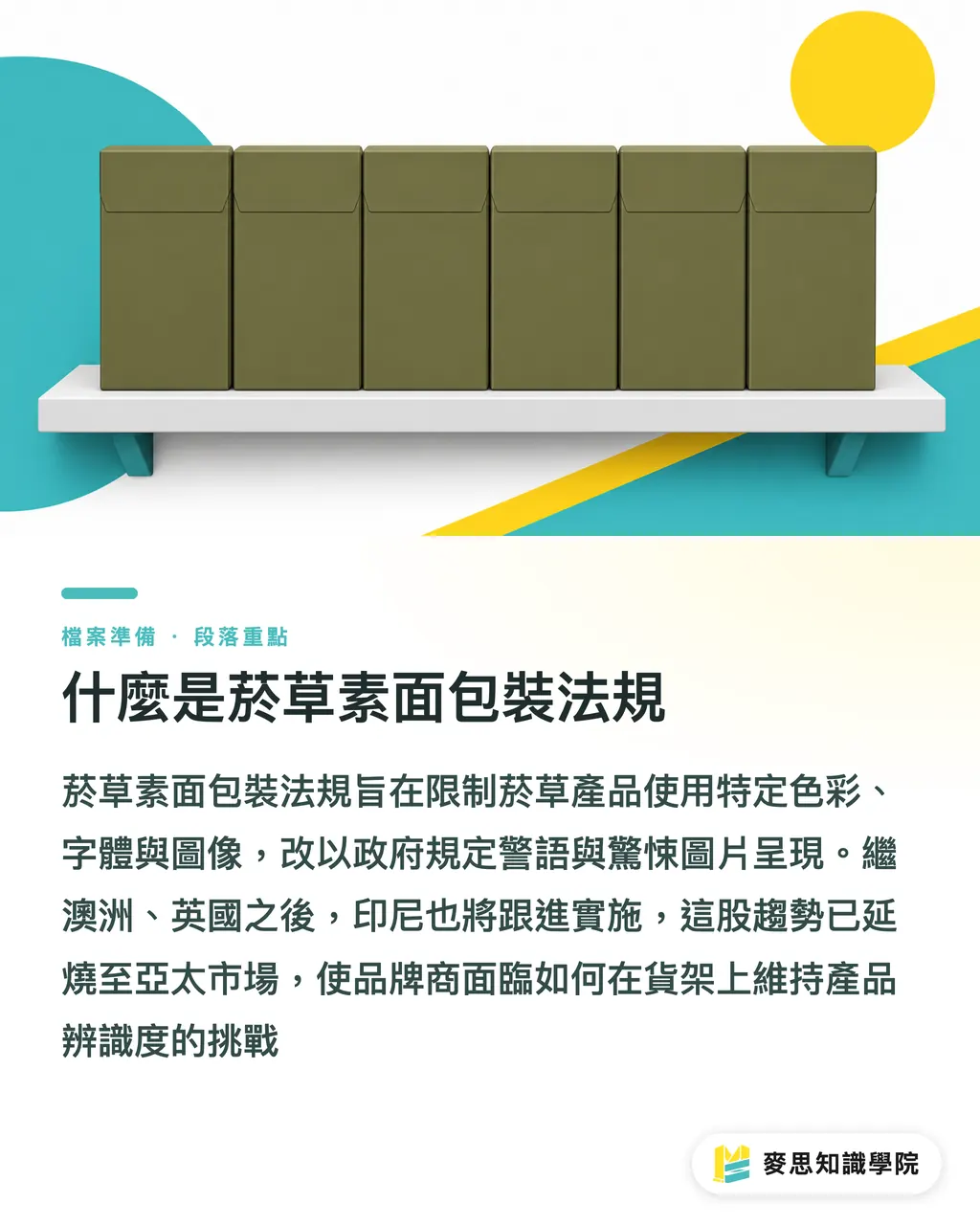
This regulation mainly restricts the use of specific colors, fonts, and graphics, replacing them entirely with government-mandated health warnings and graphic warning images
I was chatting with a few export clients recently, and they all thought this was just a rare exception in a few markets. None of us expected this wave to hit Indonesia in the Asia-Pacific region so quickly
The biggest headache for brands now is how to maintain product recognition when all cigarette boxes look exactly the same on the shelves
Why Limited Design Space Actually Raises the Bar for Printing
Many people assume that plain packaging means designers are out of the game and printing businesses will shrink
But from my first-hand experience on the production line, the opposite is true
When most of the layout is filled with health warnings, government requirements for printing accuracy become extremely strict
Plain packaging shifts the focus from brand creativity to compliance quality and high-precision production control
・Tiny color and layout tolerances: The government-mandated background colors and warning images cannot have any noticeable color shifts, and layout positions cannot be off by even a few millimeters
・Automated quality control is a must: Tools like EyeC Proofiler Graphic Connect, which are widely discussed in the industry right now, are great examples. Relying on a master printer's naked eye to match colors simply won't cut it under these regulations
・High demand for anti-counterfeiting features: When the packaging cannot show the brand, special laser embossing or invisible ink becomes the key way to protect products from counterfeits
This forces packaging factories to integrate quality audits directly into the prepress stage. A tiny mistake can lead to rejected shipments or even fines
How Small and Medium-Sized Taiwanese Printers and Designers Can Respond
This regulatory shift in Indonesia might seem to affect only one product type, but it points to the future of highly regulated industries
For example, I've noticed a similar trend toward higher precision in medical packaging. The logic behind it is identical
Faced with low design flexibility and high compliance risks, small and medium printers in Taiwan need to reassess their machinery limits and software compatibility
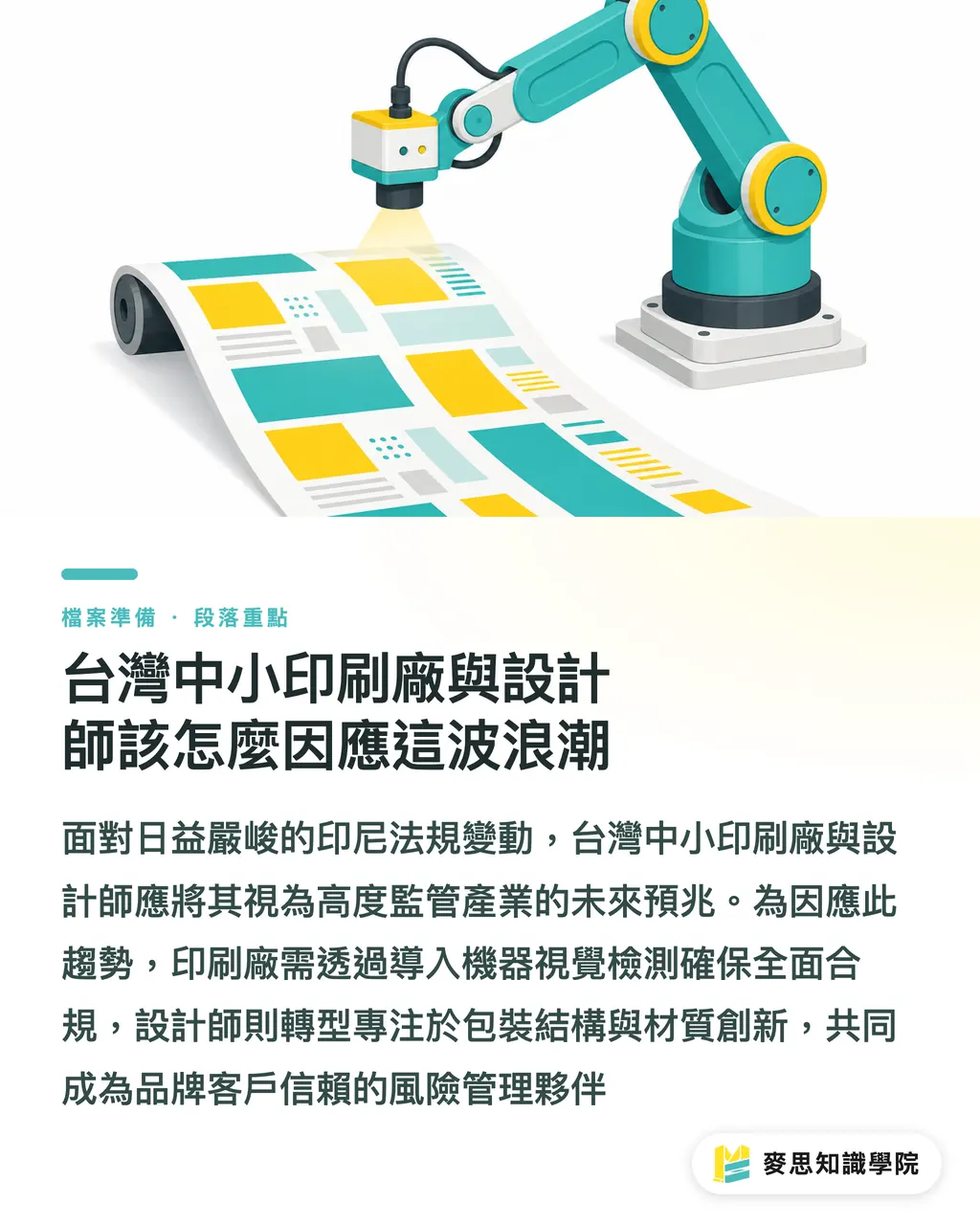
・Adopt machine vision inspection: Upgrade from random spot checks on the line to automated full inspection to ensure the ink density of every print run meets the standards
・Build a cross-border compliance database: Combining the one-stop integration service experience of MINDS, systematically managing templates and graphics for different regulations can dramatically reduce prepress errors
・Designers shifting to structural and material innovation: When graphic elements are restricted, a designer's value moves to optimizing packaging structures or applying low-carbon paper materials
By setting up these high-standard production workflows, your factory stops being just a contract manufacturer and becomes an irreplaceable risk management partner for brands
Key Takeaways
・Indonesia's upcoming plain packaging rules are completely resetting standards for highly regulated packaging markets in the Asia-Pacific region
・Losing design freedom does not mean a drop in production value. Strict government standards for warning graphics significantly raise the printing bar
・Adopting prepress automation for quality control and advanced anti-counterfeiting features is key for printers to win these high-compliance orders
・Taiwanese supply chains should assess compliance capabilities during production line upgrades, transforming from simple manufacturers into risk management partners
Further Thinking
This is more than just a news piece about Indonesian tobacco regulations. It reflects a global shift toward high standardization in the packaging industry
I suggest printing factory owners and managers take a look at their prepress processes this week to see if they still rely heavily on manual checks, and start looking into automated text and graphic inspection systems
For designers and buyers, when visual expression is stripped away, understanding special material compatibility and anti-counterfeiting design early on will be the key to winning in the high-end packaging market
Further Reading
FAQ
- What is plain packaging for tobacco?
- It is a regulation that requires tobacco products to strip away brand colors and logos. The packaging must use a standardized background color and feature large, government-mandated health warnings. Over 20 countries have implemented this worldwide
- How does plain packaging affect printing factories?
- In the short term, jobs with custom colors and complex designs will decrease. However, strict government requirements for warning image precision and color consistency will drive a strong need to upgrade production lines with automated inspection systems
- How should small and medium-sized Taiwanese packaging factories respond to this trend?
- They should prioritize investing in prepress automation and digital inspection systems to reduce human error. At the same time, upgrading anti-counterfeiting print technologies will help them win high-standard compliance contracts
References
Related articles

The Print × AI weekly
The print and AI know-how designers, brands and enterprises can use before they commit — one email, every week
MINDS Free Tools
AI background removal, brand stamping, and a LINE sticker maker — free design tools, right in your browser, no upload.
MINDS Group
Need actual printing or gifting services?
From premium printing to online ordering and festive gifts — the MINDS Group sister brands take it from here.