
Why Can Packaging Design No Longer Focus Only on Looking Good?
Because international regulations are now directly tied to both appearance and materials
As compliance thresholds in Europe and the U.S. keep rising, brands and print shops must shift their focus from eye-catching visuals to plastic reduction and minimalist design
Looking at the past few months, global packaging regulations and the commercialization of sustainable materials have clearly entered a much tougher stage
In the past, when we talked about environmental protection, it was mostly a brand-led green marketing bonus. Now it has become a mandatory baseline requirement
When MINDS Printing evaluates export packaging projects for clients, the first step is to pull together the local compliance checklist. This is also what we often call the three prepress checkpoints for MINDS Printing (MS, mid-to-high-end fully customized commercial printing):
・① Clarify the regulatory restrictions of the end market, such as EPR or bans on specific materials
・② Review available alternative materials and structural strength
・③ Confirm whether the finishing process will hinder downstream recycling
Without this initial filter, even the most beautiful design may fail at customs or face heavy fines after hitting the shelves
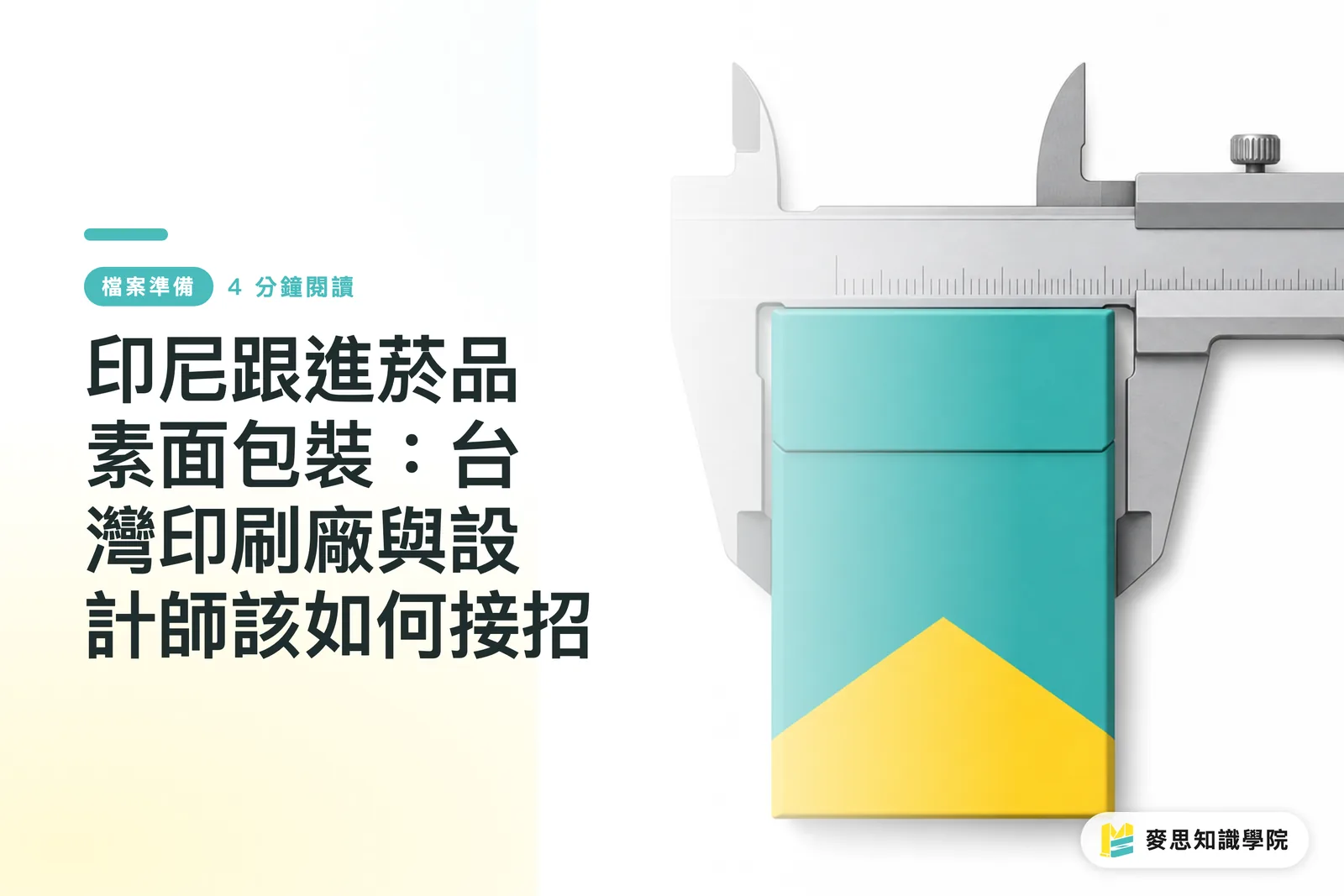
What Does Plain Packaging for E-Cigarettes in the UK Really Mean?
The UK government has recently been pushing hard for mandatory plain packaging rules to address youth vaping
For anyone working in packaging design, this is a major warning sign
・The extreme end of visual intervention: Plain packaging means brands lose most of their visual identity rights and can only use a government-specified base color and standard typeface
・A shift in print production: When special foil stamping, embossing, or complex full-coverage printing is banned, anti-counterfeiting features and perceived quality must return to the texture of the paper itself and the fundamentals of the structure
・Rising compliance costs: All existing packaging inventory and die-cutting tools face pressure to be scrapped and redesigned
Plain packaging: A regulatory approach that uses legislation to restrict packaging appearance, banning brand-specific colors and graphics while allowing only standard typefaces for product names and warnings, with the goal of reducing product appeal
Why Are Island Nations So Urgent About Redesigning Packaging?
Beyond single-product controls, calls from island nations to redesign packaging in order to curb ocean plastic pollution are also growing louder
The logic behind this is very practical: waste-management infrastructure in these countries cannot absorb massive volumes of imported plastic packaging
From our hands-on production experience, many flexible films or multi-material composite packages labeled as recyclable can only be landfilled as general waste locally or end up flowing into the ocean
This is forcing international supply chains to accelerate the adoption of post-consumer recycled (PCR) materials, paper-based alternatives, and reusable packaging systems
As EU PPWR targets and state-level EPR litigation continue to advance, there is no longer much room to delay the practical implementation of plastic reduction
How Should Taiwan's Small and Mid-Sized Print Shops and Brand Clients Respond?
For Taiwanese brands and supply chains focused on exports, it is better to treat circularity as a design prerequisite instead of passively waiting for regulations to take effect
・Switch to mono-materials: Move away from the common plastic-laminated paper or multilayer flexible packaging of the past, and use solutions such as paper bottle stoppers or water-based coatings that can more easily enter existing recycling systems
・Reduce excessive packaging: Make structural design as lightweight as possible. This can reduce overseas EPR fees and also save a meaningful amount on international shipping costs
・Test new materials earlier: Whether it is seaweed-coated paper packaging or new eco-friendly inks, print shops need time to tune parameters and run press tests. They cannot wait until the client is ready to ship before starting to experiment
Key Takeaways
・Packaging regulations in Europe and the U.S. have shifted from encouragement to enforcement. Non-compliance can create risks of returned shipments or fines
・Plain packaging for e-cigarettes in the UK signals that high-risk products will face extreme visual controls
・Reducing composite materials and plastic laminates, and switching to easily recyclable mono-materials, is the only viable path
・Treat environmental compliance as a design prerequisite, not a last-minute fix
Further Reflection
For print manufacturing and design teams, future value will not come from producing ever more complex special effects, but from providing green packaging solutions that comply with regulations across different countries
Print shops should transform into compliance advisors for their clients and proactively guide brands toward safer material choices
AI and SaaS practitioners can also consider how systematic databases could help designers avoid packaging formats and materials that are already banned in target markets during the ideation stage
Further Reading
FAQ
- What is Extended Producer Responsibility (EPR)?
- It is an environmental policy concept that requires producers to take responsibility for the full life cycle of their products, especially the cost of recycling and treatment after disposal. It is currently being rapidly translated into legislation across Europe and the U.S
- When Taiwanese brands export to Europe, what packaging issues do they most often run into?
- The most common issue is the use of composite materials, such as paper boxes with large plastic windows or non-recyclable plastic laminates. These can be classified locally as non-recyclable, leading to high fees or even bans from retail shelves
- Under plain packaging rules, what value can designers still provide?
- When colors and graphics are restricted, the value of design shifts toward structural ingenuity, a smooth opening experience, and the use of the tactile qualities of eco-friendly paper itself to communicate brand trust
Related articles


The Print × AI weekly
The print and AI know-how designers, brands and enterprises can use before they commit — one email, every week
MINDS Free Tools
AI background removal, a LINE sticker maker, spine & imposition calculators — all free, right in your browser, no upload.
MINDS Group
Need actual printing or gifting services?
From premium printing to online ordering and festive gifts — the MINDS Group sister brands take it from here.