

Why does the FPA oppose New Jersey S.4656?
The FPA's formal opposition targets four provisions that could reshape packaging compliance and costs: a mandatory 50% reduction in plastic at the source, broad chemical bans, a reclassification of advanced recycling as disposal, and steep financial penalties. The Flexible Packaging Association (FPA) represents the U.S. flexible packaging industry in policy discussions. On October 6, 2026, it formally opposed New Jersey Senate Bill S.4656, the Protect Our Health from Plastics Act. The FPA argues that the bill could affect the safe delivery of everyday goods, interstate commerce, and manufacturing costs. That is the association's policy position. It does not mean the bill has passed or that these effects have already occurred. Mai Strategy sees the central issue in this debate as the combination of plastic reduction, chemical management, and recycling classifications in one state bill. Brands cannot focus on just one material
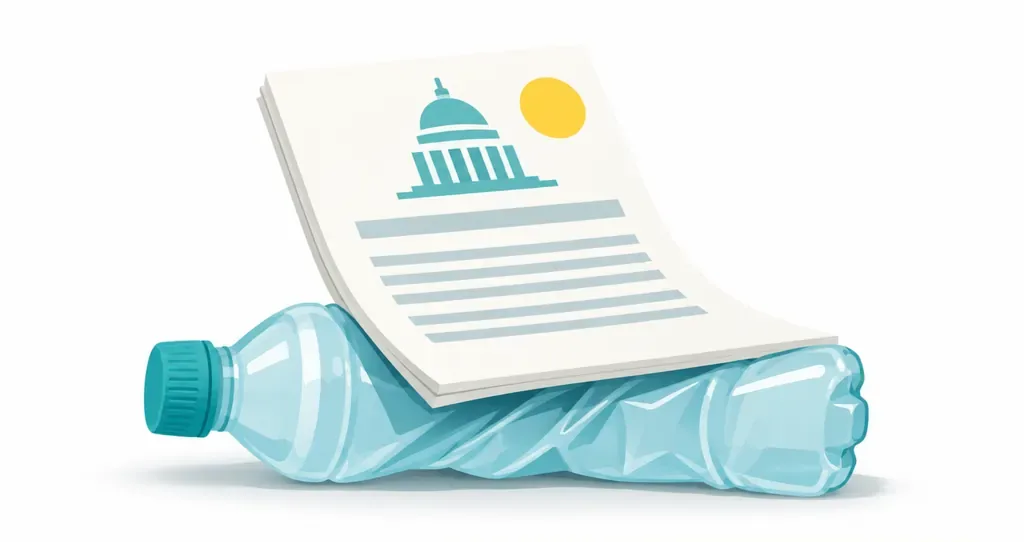
Which decisions could a 50% reduction in plastic at the source affect?
Plastic source reduction means cutting the amount of plastic used before packaging is made. The FPA's account of S.4656 describes a mandatory 50% reduction requirement. The percentage may appear to concern materials alone, but brands also need to verify that packaging protects the product, seals properly, withstands shipping, and works with existing production lines. Change the packaging and you need to recheck printability, sealing conditions, and shelf presentation. If the weight savings lead to more product loss, the reduction on paper may not lower total costs. Without a clear calculation method and transition plan, procurement teams should not make a decision based on a single quote for replacement material. The FPA argues that a mandatory percentage would increase the financial burden on manufacturers and New Jersey households. That is the association's reason for opposing the bill, and it should be considered separately from the text of the bill itself. Mai Strategy recommends that brands map products by sales market and start by testing packaging with the most viable alternatives
Don't rush to change materials
Why do chemical bans and the definition of recycling affect supply chains?
These two provisions could affect which material documents and recycling claims brands can rely on. Advanced recycling uses processes other than mechanical recycling to turn plastic into feedstock or other materials. The FPA says S.4656 would reclassify this type of recycling as disposal. The FPA also opposes broad chemical bans, but its public statement does not identify the substances covered, testing methods, or effective dates. Brands should not guess at a list of prohibited chemicals at this stage. Mai Strategy recommends asking material suppliers for complete substance composition details, regulatory declarations, and documentation of recycling pathways, with version dates on record. The words "recyclable" do not necessarily hold up in another market without applicable rules and evidence about the material
Why should Taiwanese brands keep an eye on state-level bills?
Taiwanese brands should add sales states to their packaging management because S.4656 is a New Jersey Senate bill, not a federal bill. The FPA's formal opposition shows that state-level plastic regulation is already the subject of industry policy debate. But this announcement only confirms the association's opposition. It does not show that the bill has passed or taken effect. If a brand maintains just one "U.S. packaging specification," it will be hard to answer which packaging is used for the New Jersey market, which supplier provided the material declaration, or when the revised documents were updated. My view is straightforward: a full product-line material change is not worth doing now. Organizing state and document records is enough for the moment. Mai Strategy recommends that small and midsize businesses start with a simple list of sales states, packaging versions, plastic use, and supplier declarations, so they are not digging through boxes at the last minute when a customer sends a questionnaire
What three things can brands do now?
Brands should first identify exposed products and the conditions for switching materials. Do not treat the FPA's opposition statement as a ban that has taken effect. Mai Strategy's "Three Checks for Taking Packaging Overseas" breaks the work into three steps, starting with low-cost information gathering to support later decisions
・Mai Strategy's first check: List U.S. sales states, channels, and packaging SKUs, and flag products sold in New Jersey
・Mai Strategy's second check: Compile plastic use, material composition, recycling pathways, and supplier declarations. Ask suppliers for anything that is missing
・Mai Strategy's third check: Select representative packaging and test how alternative structures affect product protection, sealing, processing, and print presentation. To assess the visual design and printing specifications together, talk with MINDS about the redesign options available for fully customized commercial printing

Key takeaways
・Mai Strategy's view: The FPA's opposition to S.4656 signals a policy dispute. It does not mean a ban is in effect
・Mai Strategy notes that a 50% reduction requirement could affect packaging design, procurement, and printing conditions
・Mai Strategy recommends first organizing sales states, packaging SKUs, material declarations, and recycling pathways
・Mai Strategy's three checks for taking packaging overseas start with an inventory, move to testing, and leave the decision to redesign until the end
Further considerations
Mai Strategy recommends that printers link material declarations and artwork versions to the same product record, while design teams leave room for layout changes if materials change. AI can help compare supplier documents and version dates, while legal or materials specialists should confirm whether regulations apply. Packaging SaaS should make states, composition declarations, packaging versions, and responsible owners traceable. When a customer asks about New Jersey S.4656, there should be no need to piece together an answer from emails and PDFs
Further reading
FAQ
- Has New Jersey S.4656 taken effect?
- What we can confirm is that the FPA formally opposed the bill on October 6, 2026. That does not mean it has passed. Mai Strategy recommends checking the latest legislative status and scope of applicability
- What does S.4656's 50% plastic reduction requirement mean?
- The FPA's account mentions a mandatory 50% reduction in plastic at the source. The specific calculation method still depends on the bill's official text. Mai Strategy recommends that brands not apply this percentage to every product preemptively
- What should Taiwanese brands prepare now?
- Mai Strategy's three checks for taking packaging overseas start by organizing sales states, packaging SKUs, material composition, plastic use, recycling pathways, and supplier declarations. Then identify the products related to New Jersey
- What should brands know about advanced recycling being reclassified as disposal?
- The FPA says S.4656 would reclassify advanced recycling as disposal. Mai Strategy recommends confirming the recycling definitions used by material suppliers and checking their supporting documents. Do not rely only on recycling claims printed on the packaging
Related articles
The Print × AI weekly
The print and AI know-how designers, brands and enterprises can use before they commit — one email, every week
MINDS Free Tools
AI background removal, a LINE sticker maker, spine & imposition calculators — all free, right in your browser, no upload.
MINDS Group
Need actual printing or gifting services?
From premium printing to online ordering and festive gifts — the MINDS Group sister brands take it from here.