
What Exactly Is Discharge Ink Changing?
Discharge Ink is a screen-printing ink that first changes the substrate's original hue, then relies on an overprint layer to create the final color. The final color shifts with the material, moisture content, and overprint order
A new short tutorial on screen printing for boxes, released in September 2026, focuses on corrugated boxes and folding cartons, reminding production teams not to treat it like a standard spot color
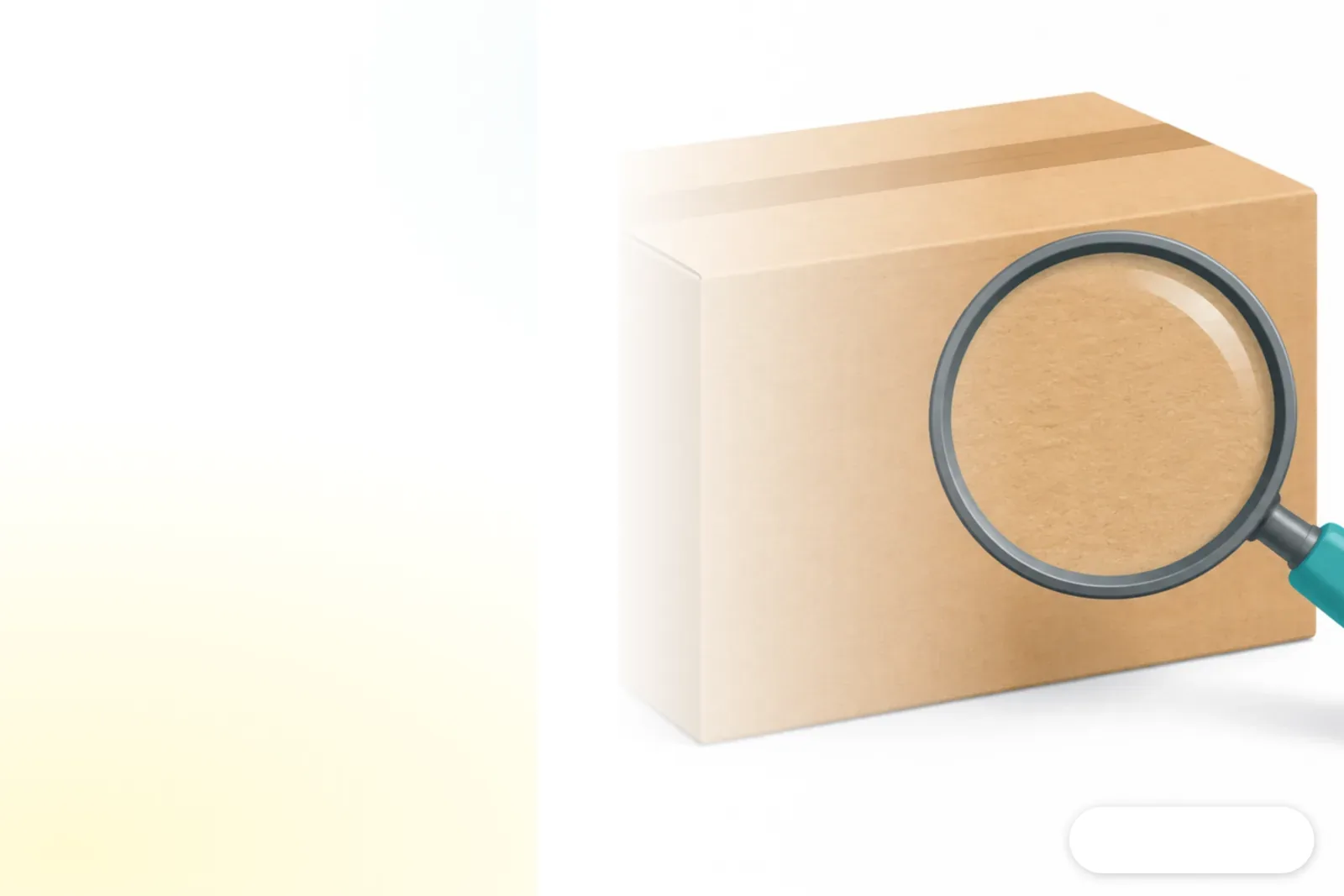
When this type of ink is used on cotton paper, coated paper, or corrugated surfaces, the substrate reacts differently, and the paper surface also changes how the ink film spreads and dries. An overprint layer is the ink layer placed over the previous color. Handle the base color first, then assess the color produced by the overprint. That is the right order for judging this kind of job
Short video: What You Need to Know Before Printing Discharge Ink on Cartons: Color, Compatibility, and Combined-Press-Run Risks

Why Does the Same Color Change on Cartons?
Cotton paper, coated paper, and corrugated surfaces differ in absorption, moisture condition, and base color. The same Discharge Ink formula will not produce the same visual result on all three surfaces
The easiest trap for designers is judging production from a screen or a single color swatch. Screens emit light. Paper depends on the ink layer and substrate to reflect light. Discharge treatment adds base-color recovery to the equation. During proofing, check whether the whiteness is even, and whether the light and dark areas, areas around fold lines, and large solid areas are consistent
On site, I first confirm the substrate batch and moisture condition, then check that the overprint layer follows the planned order. Change any one of these and the original swatch is only a reference. It cannot be used as the release criterion
Can Plastic Ink and Water-Based Ink Run Together with Discharge Ink?
You cannot assume that Discharge Ink, plastic ink, and water-based ink can go straight into the same press run just because their colors look close
Here, running together means putting different inks and color plates into the same production plan. It does not mean they will necessarily work reliably under the same conditions. Their formulations, drying behavior, and adhesion requirements differ
・Discharge Ink: Check the substrate reaction and base-color recovery first
・Plastic ink: Check adhesion to non-absorbent surfaces and drying conditions first
・Water-based ink: Check paper absorption and drying conditions first
If the supplier has not specified compatibility conditions, the printer should list this as a proofing item to verify. Do not wait until a large corrugated-box run reaches the press to check adhesion and color differences. A quote that lists only the number of colors, without specifying the ink system, substrate, and overprint order, does not yet define complete production conditions
What 3 Things Should Be Tested Before Printing on Cartons?
Before printing on cartons, test at least three things: whiteness recovery, the moisture content of the fabric or paper surface, and the color sequence of the overprint layers. Confirm all three on the actual substrate
・1) Whiteness recovery: Check whether the base color can return evenly to the expected brightness after discharge treatment. Take actual samples of cotton paper, coated paper, and corrugated stock. Do not substitute a screen swatch
・2) Fabric/paper moisture content: Record whether proofing and production conditions match, because moisture state changes ink-film spread, drying, and color stability
・3) Overprint-layer color sequence: Put the order of Discharge Ink, other inks, and the overprint layer into the plate sequence. Change the order and the overprint result must be retested
Check all three on the intended substrate. Do not leave any one of them for verification after production begins
How Can Small and Midsize Printers Keep the Risk in the Proofing Stage?
Small and midsize printers should put the materials, inks, plate sequence, and acceptance criteria on the same proofing confirmation sheet, so the design, purchasing, and press teams are all working from one set of conditions
・1) At order intake, ask about the carton stock and surface: Is it corrugated or folding carton? Is the paper surface coated? Which ink will be used?
・2) During proofing, lock in three indicators: whiteness recovery, moisture content, and overprint order, and leave comparable areas on the actual sample
・3) Get written confirmation before running them together: Can Discharge Ink be used on the same line with plastic ink and water-based ink? Do not replace this test with "we printed it before."
If the brand has only a design file and no actual carton stock yet, include the three tests in the quotation and proofing requirements first, then ask MINDS to confirm whether the mid- to high-end, fully customized commercial printing is practical. That usually saves more time than redoing the entire batch after production
Key Takeaways
・For Discharge Ink, check the substrate reaction first, not just the name of the color swatch
・Cotton paper, coated paper, and corrugated surfaces must be validated separately
・Whiteness recovery, moisture content, and overprint order are the three checks to complete before printing on cartons
・Whether plastic ink and water-based ink can run together must be confirmed with actual samples and written conditions
Further Thoughts
On the manufacturing side, put the three tests into the proofing sheet and plate-order confirmation. On the design side, note the substrate, intended inks, and overprint order next to the file. On the brand purchasing side, make compatibility with plastic ink and water-based ink a question to answer before requesting a quote. For AI and SaaS adoption, start with a checklist, version history, and anomaly alerts. Let the tools organize the actual-sample results entered by staff. Do not let automation replace the judgment required before the job goes on press
Further Reading
FAQ
- Can Discharge Ink be applied directly using a standard color swatch?
- Not recommended. The color of Discharge Ink is affected by cotton paper, coated paper, corrugated surfaces, and moisture conditions. Confirm whiteness recovery and overprint results with a proof on the actual substrate
- Can Discharge Ink, plastic ink, and water-based ink run together in the same press run?
- You cannot judge this from ink color or past experience alone. First confirm compatibility, drying, and plate order, then test on an actual sample
- What are the three minimum checks before printing on cartons?
- Whiteness recovery, fabric/paper moisture content, and the overprint layer's color sequence. Verify all three using the intended substrate and plate order
- Why can color differences still appear in production when the proof looked fine?
- Production may use a different paper batch, moisture condition, or overprint order. If the three conditions are not fixed, the color of Discharge Ink will drift
Related articles
The Print × AI weekly
The print and AI know-how designers, brands and enterprises can use before they commit — one email, every week
MINDS Free Tools
Spine width and imposition calculators — skip the manual math, free in your browser.
MINDS Group
Need actual printing or gifting services?
From premium printing to online ordering and festive gifts — the MINDS Group sister brands take it from here.