
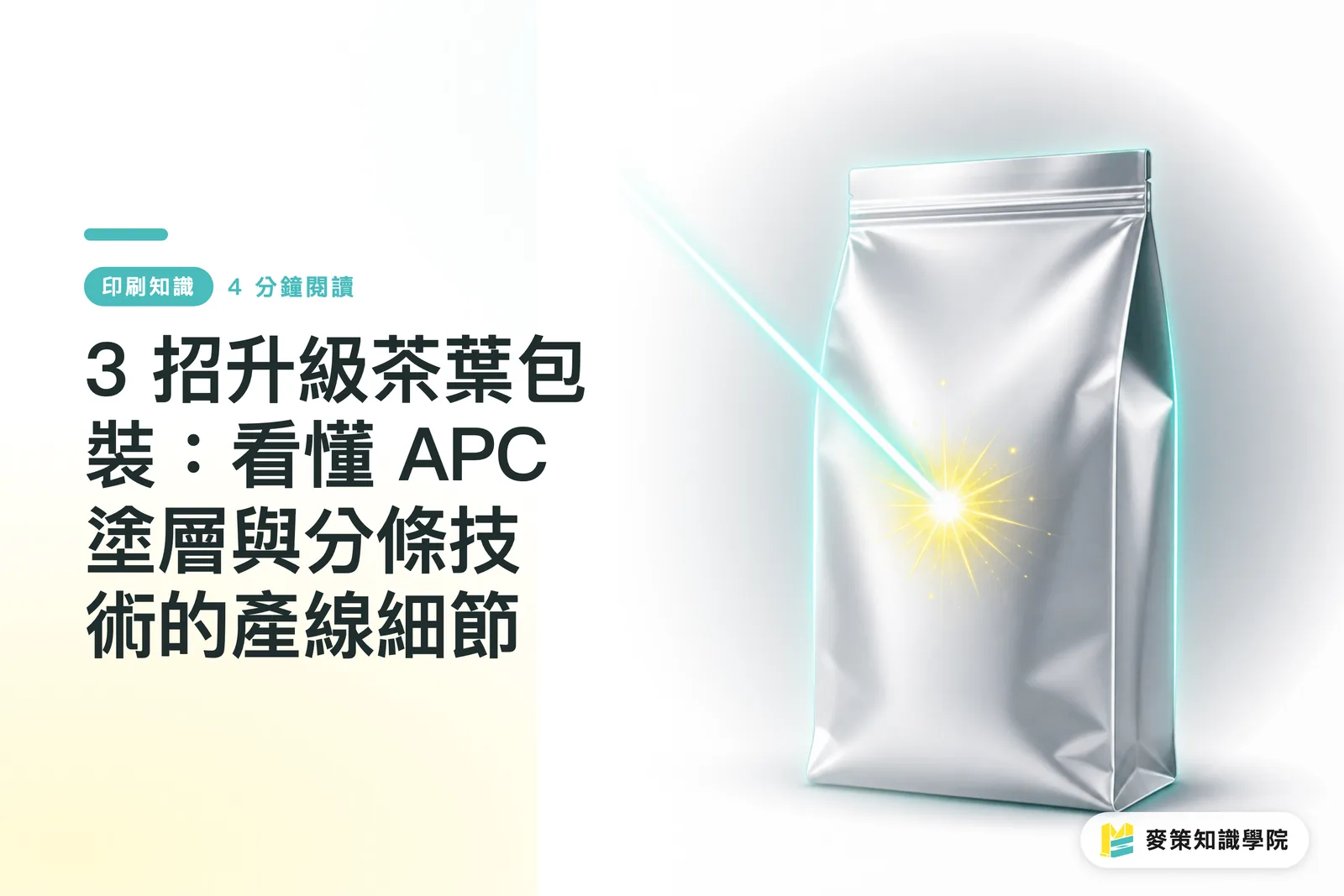
Why Does Tea Packaging Fail So Easily in Finishing?
Looking at the industry lately, the circular economy for flexible packaging has shifted from a simple material choice into a systemic puzzle involving regulations, sorting, and long-term procurement contracts
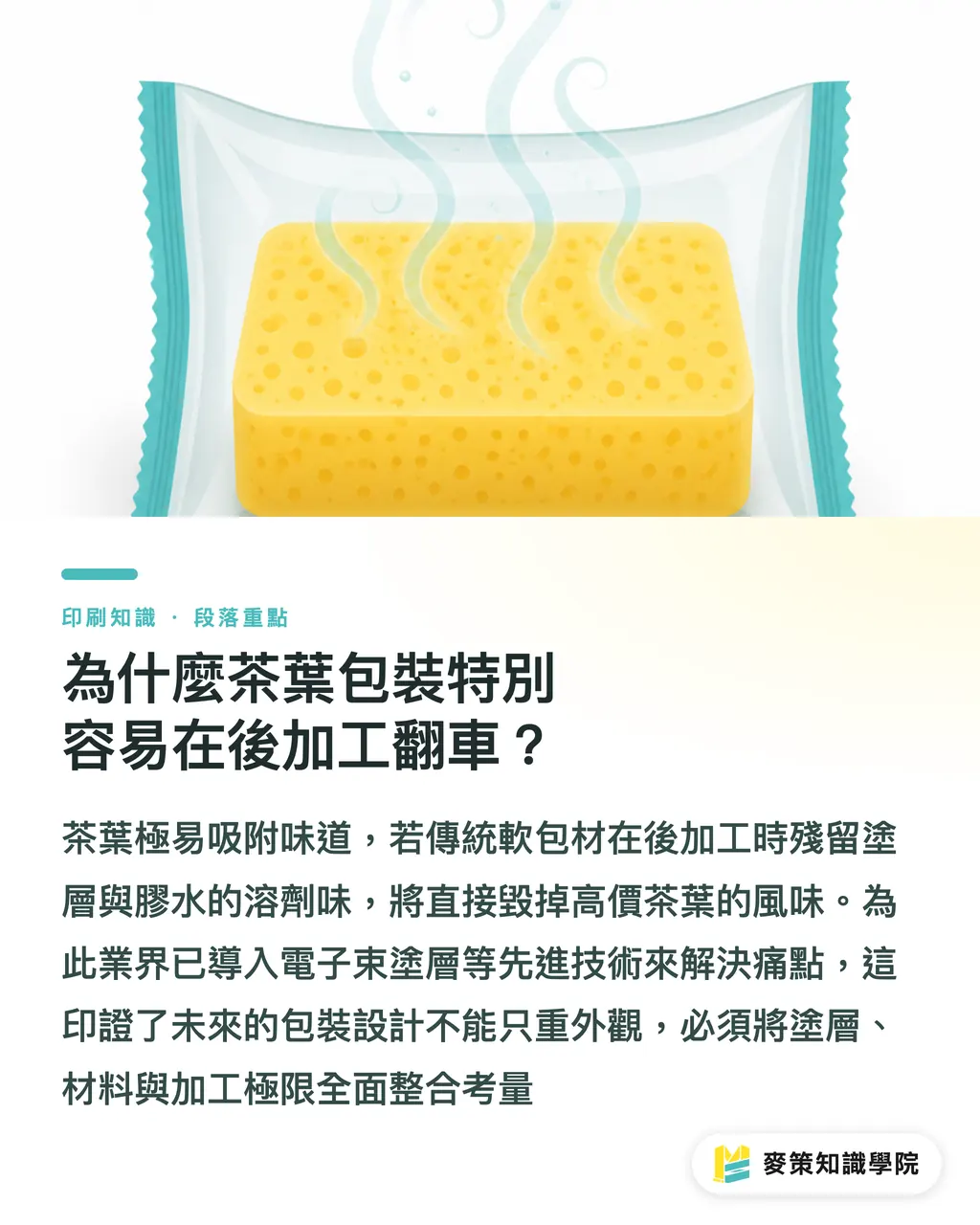
Tea packaging is the ultimate battleground. Tea leaves act like a sponge for stray odors, yet the outside demands high-gloss or matte printing for shelf appeal
Traditional flexible packaging (non-rigid packaging made by laminating multiple plastic film or foil layers, commonly used for food pouches and bagged tea) relies heavily on overprint varnishes and laminating adhesives during finishing
If the process goes wrong, residual solvent odor will ruin the flavor profile of an entire batch of high-end tea
According to an update released by the Flexible Packaging Association (FPA) on August 24, the playbook from American Packaging Corporation (APC) is worth a close look. Instead of modifying their printing presses, they invested heavily in Electron Beam (EB) coating tech and advanced slitting equipment
This proves what I have been telling clients on the shop floor: the next round of competition in packaging design must move upstream from pure visuals, bringing coatings, materials, and converting limits to the same decision-making table
What Problems Does EB Coating Actually Solve?
To understand why APC took this route, you first need to understand what EB coating brings to the table
Electron Beam (EB) Coating uses high-energy electron beams to instantly penetrate and cure liquid coatings. The process requires zero heat and emits no volatile solvents, producing a stable, scratch-resistant package surface
Conventional solvent-based coatings need oven drying. If the press runs too fast or the temperature is off, incomplete solvent evaporation traps odors inside the film roll, which is fatal for tea
Switching to EB coating delivers three direct production advantages:
・Zero solvent emissions and zero retention: Physically eliminates the risk of contaminating the delicate sensory profile of tea leaves
・Precise Coefficient of Friction (COF) control: Delivers consistent surface slip, ensuring the film neither slips nor jams on the client's automated form-fill-seal machines
・Top-tier scratch resistance: Keeps tea gift boxes looking flawless with high-gloss appeal even through rough cross-border shipping
Why Does a Single Millimeter in Slitting Precision Jam the Line?
Many assume the job is done once printing finishes, but slitting is the final gatekeeper determining whether the packaging machine can run at full speed
Slitting is the process of taking wide, master rolls of printed and laminated film, cutting them with precision to the exact dimensions needed by the packaging equipment, and rewinding them into multiple narrower rolls
If blades are dull or tension is uneven, the resulting rolls will have misaligned edges, commonly known in the trade as telescoping or uneven roll profiles
APC implemented fixed-blade-width slitters for this setup
This machinery pushes slitting tolerances to the limit, producing rolls with uniform roll profiles across the board
Here is the reality: when a tea brand's filling machine runs hundreds of pouches a minute, any slight variation in roll tension will trigger the automatic web guide to error out and halt production
Precision slitting paired with automated handling from master roll to pallet gives tea brands the confidence to run lines at top speeds without downtime
How Can Local Converters and Tea Brands Take Action?
After looking at top-tier setups abroad, small and mid-sized converters and tea brands in Taiwan can take action right away
Do not wait until the artwork is finished to look for materials. You need to account for converting risks right in the planning phase
I strongly urge print buyers to verify these three steps before awarding a contract:
・Step 1: Inspect the coating formulation. Ask the converter if they offer low-odor or solvent-free coating options, and request dried samples to do an actual smell test
・Step 2: Request a COF test report. Do not just look at gloss levels. Verify that the COF values match the operating window of your packaging equipment before going on press
・Step 3: Define roll tolerances clearly. Spell out edge-alignment requirements and the maximum allowed splices per roll directly in the purchase contract
If navigating these material specs and converting limits feels overwhelming, the Mai Strategy Knowledge Academy Consulting Team can help identify bottlenecks across your line and build a packaging decision framework that balances aesthetics with yield rates
Once you lock down these hidden specs, your packaging is truly upgraded
Key Takeaways
Tea packaging quality goes beyond graphic design. Solvent-free coatings are the invisible defense line that preserves flavor
Dialing in the surface friction coefficient ensures films run at maximum throughput on high-speed filling lines
Precise fixed-blade-width slitting eliminates roll edge irregularities that cause costly line shutdowns
Further Considerations
As packaging decisions move further upstream in the supply chain, future print SaaS or AI quoting tools cannot just calculate paper and ink costs. Whoever converts physical production constraints, like friction coefficients, slitting waste rates, and coating compatibility, into early data warning models will be the one who locks in brand loyalty
Further Reading
FAQ
- What is Coefficient of Friction (COF), and why does it matter for flexible packaging?
- COF measures the slipperiness of the film surface. If the value is too high, the web will jam on the filling machine, and if it is too low, the film cannot brake properly. It is the absolute key factor in keeping packaging lines running smoothly
- How does EB coating differ from standard water-based or UV coatings?
- EB coating requires no solvents and does not rely on thermal drying. It cures instantly with electron beams, leaving zero residual odor and making it the safest option for odor-sensitive goods like tea
- What direct benefits do brand owners get when a converter upgrades to new slitting machines?
- It yields rolls with clean, even edges and uniform tension, allowing brand packaging machines to run non-stop at full speed without slowing down, significantly cutting packaging scrap rates
Related articles
The Print × AI weekly
The print and AI know-how designers, brands and enterprises can use before they commit — one email, every week
MINDS Free Tools
Spine width and imposition calculators — skip the manual math, free in your browser.
MINDS Group
Need actual printing or gifting services?
From premium printing to online ordering and festive gifts — the MINDS Group sister brands take it from here.