

Why shouldn't you look at speed first when considering die-cutting automation?
Before automating die-cutting, check whether repeat jobs are consistently held up at this stage. MINDS (a mid-to-high-end commercial printer specializing in fully customized work) recommends tracking queues, processing, and rework separately. Die-cutting is a post-press process that uses a die to cut a printed piece to a set outline or create openings. It is common for card carriers and custom-shaped paper products, where precision affects downstream assembly. Founded in 1975, Al Hilal Printing serves financial institutions, utilities, hospitals, and government agencies, and also produces card products. It introduced a Rollem Insignia 7 for high-volume card carriers. The Al Hilal case study published by Rollem says production and lead times improved, with time and costs saved, but publishes no figures for labor hours, output, cost, or the scale of the improvement. This is a case study from an equipment supplier. It can point to bottlenecks worth investigating, but it cannot be used to calculate payback for a Taiwanese print shop
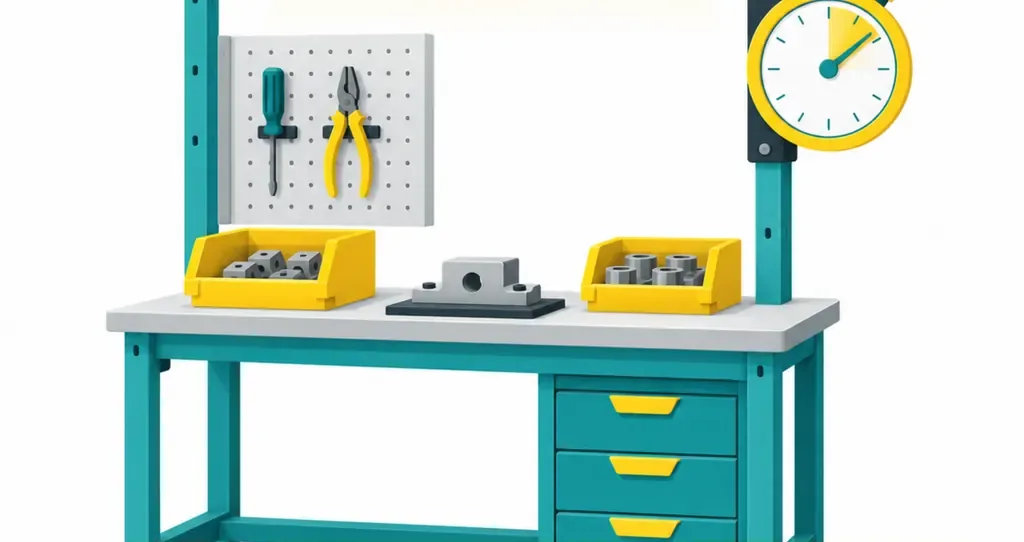
How can you confirm that die-cutting is really the bottleneck?
Start with a job timeline to separate waiting time from processing time. Then decide which part the equipment needs to address. I call this the "Three-Checkpoint Die-Cutting Review." Keep a record at each checkpoint
・Record when each job finishes printing, enters die-cutting, and finishes die-cutting. Separate queue time from actual processing time
・Track machine preparation, die changes or adjustments, operation, waste stripping, downtime, and rework hours separately
・Group jobs by stock, die type, and batch size, and check whether they wait for assembly or packing after die-cutting
Al Hilal chose high-volume card carriers for its project. When reviewing your own workflow, group this type of repeat job separately. Averaging short and long runs together can hide whether the wait comes from changeovers or continuous processing
What should you compare when requesting quotes for die-cutting equipment?
Compare stable output, changeovers, maintenance, and acceptance criteria. Don't judge by the equipment's list price alone. Since the Rollem case involved high-volume card carriers, a trial should use materials, layouts, and batch sizes close to your actual orders
Don't compare list prices first
・Output conditions: Specify the stock, die, batch size, and staffing. Record sustained output and setup time
・Changeover costs: Record die-change, adjustment, and downtime for different layouts, and check the impact on short runs
・Annual costs: Include dies, spare parts, servicing, training, floor space, and downtime arrangements
・Production results: Compare labor hours per batch, lead times, rework, and scrap against your existing baseline
If you're preparing specifications for custom card carriers, start by listing the stock, finished dimensions, quantity, and downstream use. Then discuss the print specifications with MINDS so the equipment supplier can run a trial that matches real jobs
How can you tell whether the new equipment is saving time after installation?
Use consistent data to evaluate the equipment after installation, and run a trial with the same materials, layout, and batch size. The public Al Hilal case study says lead times improved but gives no figures. Buyers need to set their acceptance thresholds in advance
Set a baseline first
・Before the trial, specify the materials, die, batch size, and staffing, and record the actual production conditions
・Check the finished outline, card positioning, and edge quality against samples and specifications approved in advance
・Compare labor hours per batch, lead times, rework, and scrap before and after installation, and document how you calculate the results
Confirming that the machine runs or can cut a sample does not prove that batch orders spend less time waiting, need less rework, or ship sooner. "Improved efficiency" should not be the only acceptance criterion
Which jobs should be considered for automation first?
Jobs with fixed layouts, high repeat volumes, and frequent queues before die-cutting are the best candidates for an initial automation review. Al Hilal introduced the equipment for high-volume card carriers. That detail matters more to buyers than the machine model name
・Prioritize: Repeat layouts, high-volume production, and recurring queues before die-cutting
・Fix the workflow first: Short runs with frequent die changes, incomplete job handoffs, or delays that mainly happen before printing or at packing
The design team should lock down the dieline, finished dimensions, and card positioning to keep trial conditions consistent. Purchasing should include the stock, dimensions, quantity, and downstream use in the quote request so the trial reflects real orders
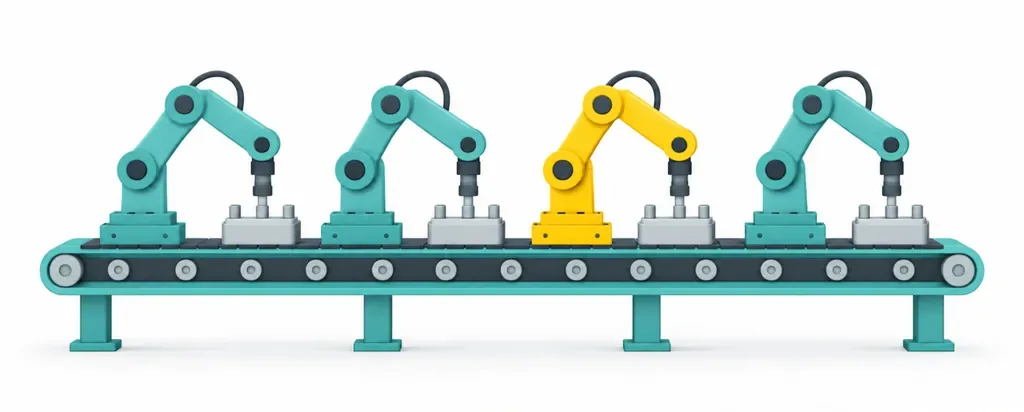
Key takeaways
・Automation is worth evaluating when repeat jobs are genuinely held up at die-cutting
・Track queue time, processing, changeovers, and rework separately to pinpoint the bottleneck
・Compare materials, batch sizes, changeovers, maintenance, and acceptance criteria when requesting quotes
・Set a baseline before the trial so you can measure changes in labor hours, lead times, and rework after installation
Further considerations
Print shops should consistently record each job's die-cutting start and finish times, labor hours, downtime, rework, and lead time. Designers should provide the dieline, dimensions, and positioning specifications, while purchasing should carry those same conditions into the quote request and acceptance criteria. Before using SaaS or AI to analyze scheduling, confirm that the data can be filled in from job tickets and shop-floor records. Otherwise, the gaps will just be organized more neatly
Further reading
FAQ
- When should a die-cutting bottleneck be addressed with automation?
- When repeat volumes are high, jobs consistently queue before die-cutting, and labor hours, lead times, and rework can be recorded consistently before and after installation, you have a basis for comparison
- What should I ask suppliers when requesting a quote for die-cutting equipment?
- Ask for a trial using your own stock, die, batch size, and staffing. Confirm the terms for changeovers, maintenance, dies, spare parts, and downtime as well
- How should die-cutting equipment be signed off after installation?
- Check finished products, rework, and lead times against the approved specifications using the same batch size, then compare the results with your pre-installation records
- How much of an efficiency improvement does the Al Hilal case study prove?
- The Rollem case study says production and lead times improved, and time and costs were saved. It does not publish output, labor hours, or the scale of the improvement, so it cannot be used to estimate payback
Related articles


The Print × AI weekly
The print and AI know-how designers, brands and enterprises can use before they commit — one email, every week
MINDS Free Tools
AI background removal, brand stamping, and a LINE sticker maker — free design tools, right in your browser, no upload.
MINDS Group
Need actual printing or gifting services?
From premium printing to online ordering and festive gifts — the MINDS Group sister brands take it from here.