
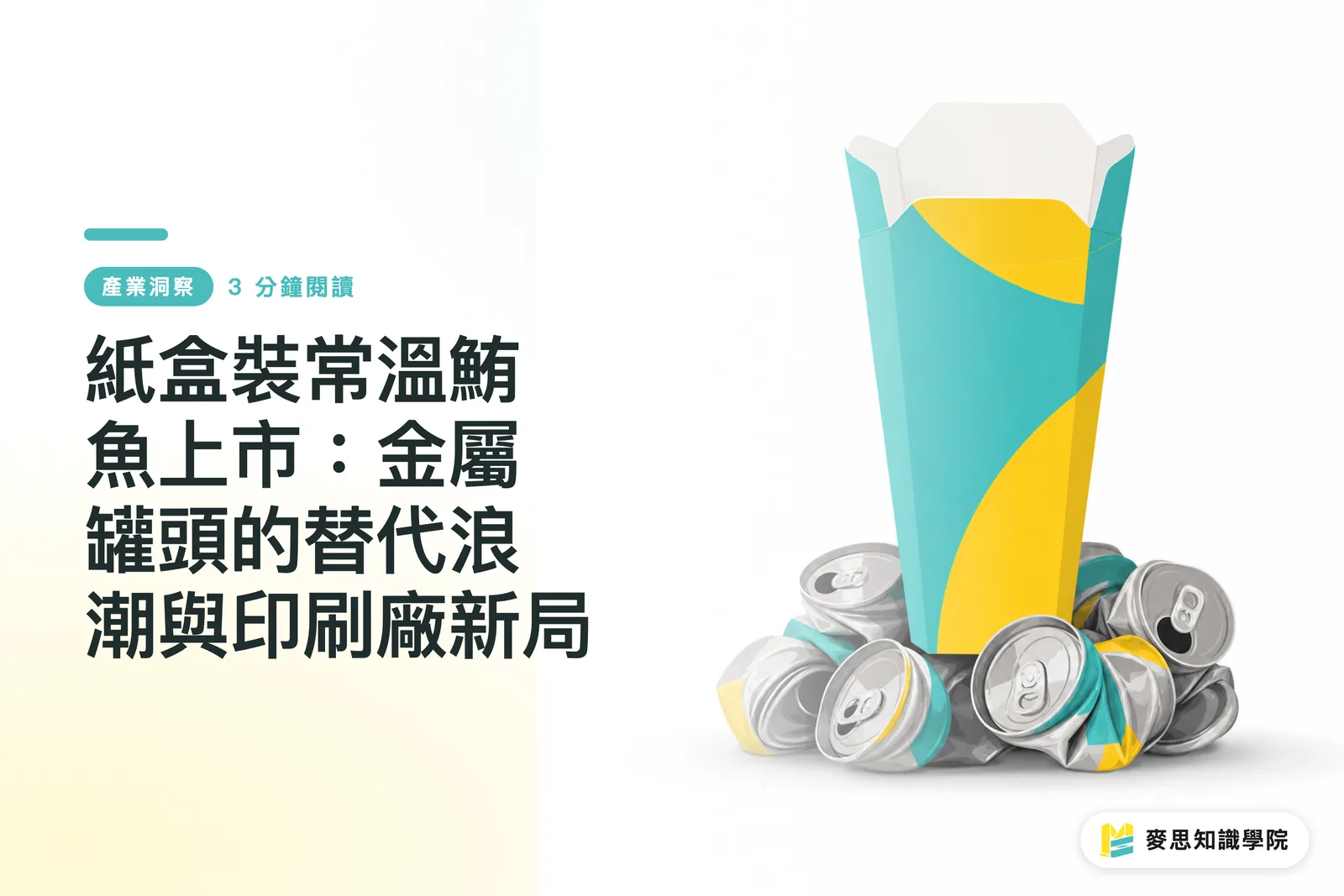
Why Shelf-Stable Foods Are Phasing Out Traditional Metal Cans
In the past, shelf-stable tuna was synonymous with metal cans; after all, for vacuum sealing and retort sterilization, metal was the safest bet
However, judging by the export brand clients we have engaged with recently, conversations almost always revolve around the EU's Packaging and Packaging Waste Regulation (PPWR) and carbon reduction costs
Tetra Pak's launch of a carton packaging solution for shelf-stable tuna precisely targets this urgent demand for material substitution
High-barrier paper-based composite technology has matured enough to handle high-fat, long-shelf-life seafood products
This deals a devastating blow to the once-impenetrable metal can and glass jar market
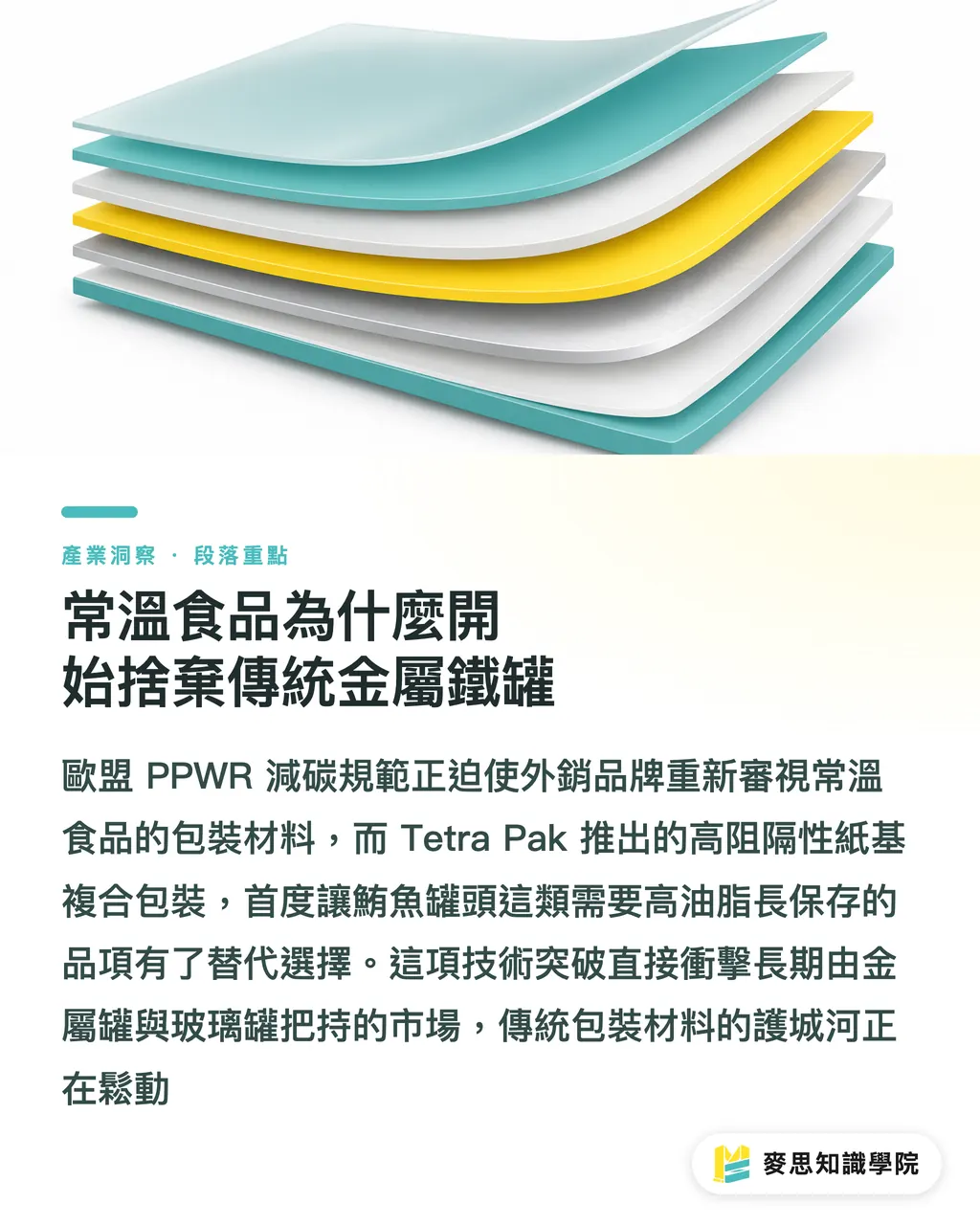
How Printers Can Tackle the Color Challenges of Shelf-Stable Cartons
For Taiwanese food packaging printers, this shift in materials presents both a crisis and a golden opportunity to capture new business
The customer base for shelf-stable goods is gradually shifting from 'metal printing and small labels' to 'paperboard and composite material' production lines
However, the technical barrier to entry for securing these orders has quietly risen
While tuna cans in the past might have relied on a single small rectangular label, switching to cartons instantly multiplies the visible surface area several times over
Brands will demand exceptionally high ink saturation and color consistency across large solid patches
If a print shop still relies on experienced master printers matching colors by eye without implementing standardized color management, they will definitely miss out on this new wave of orders
How Designers Should Adapt to the Shelf-Visual Revolution of Packaging Transitions
Replacing cans with cartons completely upends designers' visual logic on display shelves
Traditional metal cans are typically stacked on shelves, with the visual focus concentrated on the curved sides of the cylinders
With rectangular cartons, brands now have four complete, contiguous panels to tell their story
Designers must rethink information hierarchy: how to grab consumers' attention instantly on the front, and how to use infographics on the sides to showcase traceability and eco-certifications
Based on my long-term observations on the production floor, regulatory pressure in Europe and the U.S. regarding chemical substances in food packaging, such as PFAS, is intensifying rapidly
When outsourcing design files for printing, it is crucial to verify that the inks and aqueous coatings meet environmental and food safety specifications with the printer
Why This Is Just the Beginning of the First Wave of Material Realignment
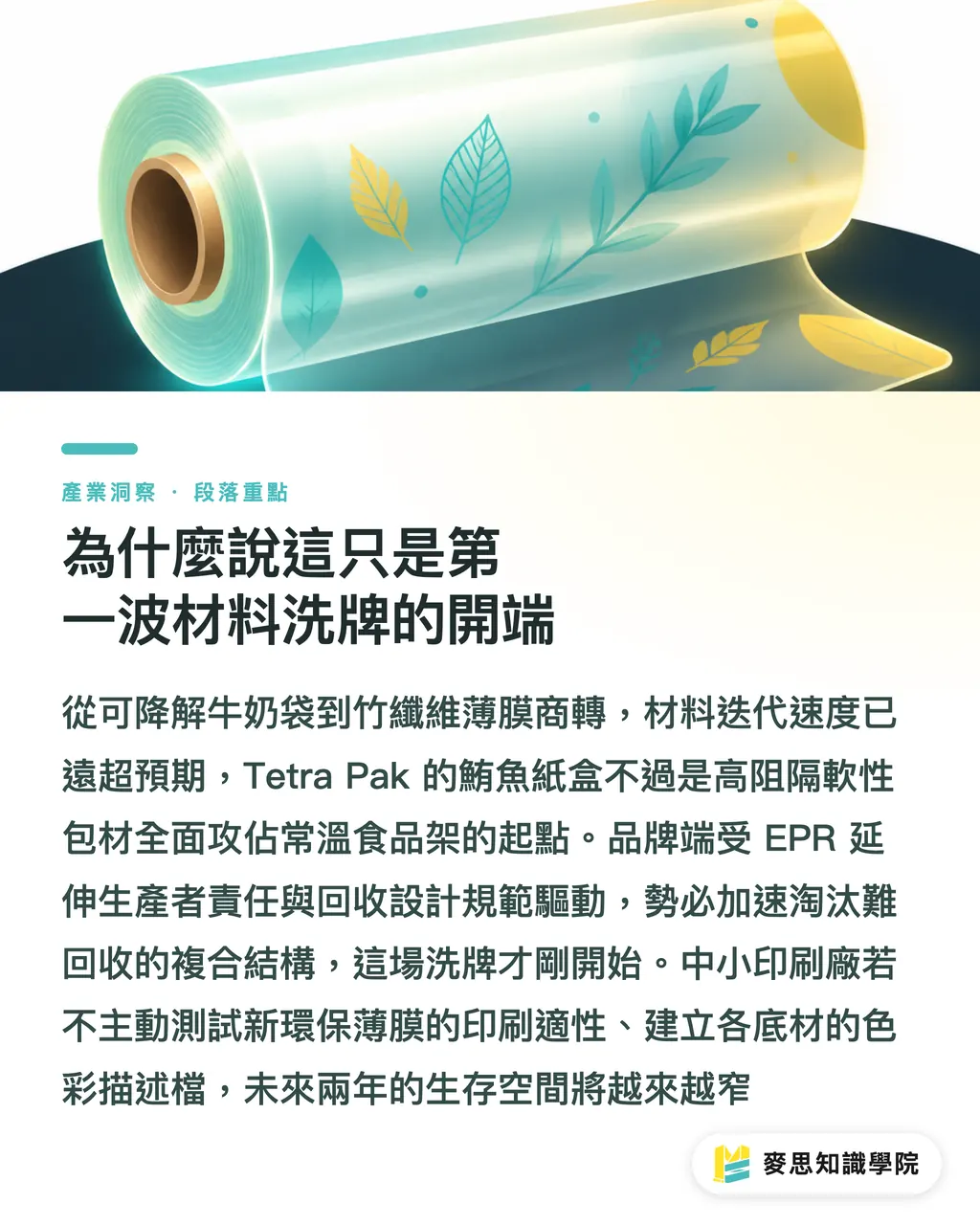
From biodegradable milk pouches emerging in India to Chinese startups commercializing bamboo-fiber films, the pace of material iteration is far exceeding expectations
Tetra Pak's tuna carton foreshadows a full-scale invasion of shelf-stable food shelves by high-barrier flexible packaging
To comply with design-for-recyclability guidelines and Extended Producer Responsibility (EPR), brands will inevitably accelerate the elimination of high-carbon or hard-to-recycle composite structures
If small and medium-sized printers cling to legacy single-material processing mindsets, their pathways to growth will continue to shrink
Proactively helping clients test the printability of new eco-friendly films and building color profiles for different substrates will be the key to survival over the next two years
Key Takeaways
・Shelf-stable food packaging is undergoing a material shakeup, with high-barrier paper-based composites beginning to replace traditional metal cans and glass jars
・Printers are seeing shifting orders, but large-area cartons demand far higher color consistency and ink saturation than traditional can labels
・Designers must shift shelf-visual logic, using the continuous display faces of cartons to restructure brand communication hierarchy
・In response to new EU regulations and food safety standards, the choice of inks and eco-friendly coatings will become hard criteria when outsourcing printing
Further Considerations
For Taiwanese printers and packaging design teams, check your internal printing and forming capabilities for high-barrier composite materials immediately, and proactively use this Tetra Pak case study to visit your food brand clients. Inform them that if they switch to cartons in the future, you already have color management solutions and a list of food-safe inks ready. SaaS and AI providers can also consider developing 3D visualization tools that can quickly preview the transition from curved metal cans to rectangular cartons, helping designers drastically reduce communication costs across different substrates
Further Reading
FAQ
- Why is shelf-stable seafood only now starting to be packaged in cartons?
- Because EU environmental regulations and brand carbon-reduction pressures have forced material suppliers to accelerate research and development. High-barrier paper-based composite technology has only recently made breakthroughs, enabling it to reliably handle high grease levels and long-term preservation requirements
- What is the direct impact on printers when switching from cans to cartons?
- The printable area increases significantly, and brands demand higher uniformity and color consistency across large color patches, which tests the level of standardization in a print shop's color management
- What should brand designers keep in mind during packaging transitions?
- The shelf display logic shifts from cylinders to polyhedrons, requiring a redesign of the primary visual face. Meanwhile, they must strictly verify that inks and surface coatings comply with the latest non-toxic food packaging regulations
- How should small and medium-sized Taiwanese printers respond to this wave of packaging transition?
- Proactively test the printability of new eco-friendly barrier films, establish cross-material color profiles, prepare non-toxic ink solutions, and transition from passive order-taking to providing packaging upgrade solutions
References
- Tetra Pak launches carton packaging for shelf-stable tuna · packaginginsights.com
Related articles

The Print × AI weekly
The print and AI know-how designers, brands and enterprises can use before they commit — one email, every week
MINDS Free Tools
AI background removal, a LINE sticker maker, spine & imposition calculators — all free, right in your browser, no upload.
MINDS Group
Need actual printing or gifting services?
From premium printing to online ordering and festive gifts — the MINDS Group sister brands take it from here.