
What Exactly Is an Eco-Friendly Takeout Box? How Is It Different from a Regular Paper Food Box?
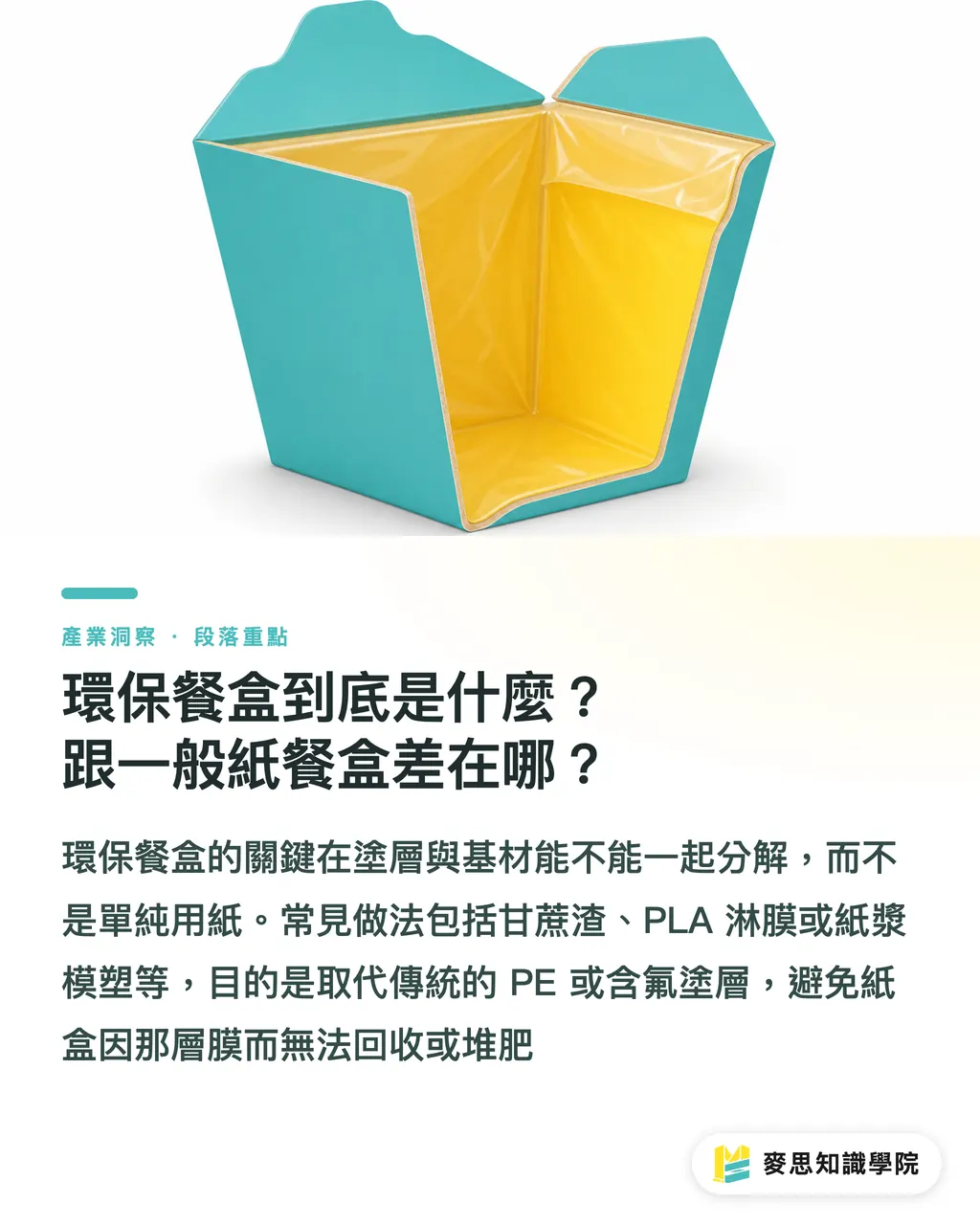
Here is the direct answer: an eco-friendly takeout box is a food container made from compostable or recyclable materials, with an oil-resistant coating that does not rely on traditional fluorinated chemicals. The core difference comes down to two things: the coating and the base material
A regular paper food box may also look like paper, but the waterproof and grease-resistant film inside is often PE lamination or a fluorinated coating. That layer prevents the paper from being recycled as ordinary paper, and it will not break down in compost either. This end-of-life problem is exactly what eco-friendly takeout boxes are meant to solve
From the clients I have worked with over the past year or two, the biggest misconception is thinking that "paper equals eco-friendly." In reality, the key is the invisible film. Whether the paper is virgin pulp or recycled paper, and whether the coating can break down together with the base material, is what determines whether the box is truly eco-friendly
The common base material options are easier to understand when broken down line by line
・Bagasse: molded from sugarcane residue left after sugar production. It is naturally oil-resistant and heat-resistant, industrially compostable, and currently one of the most mature options
・PLA-laminated paper: uses polylactic acid made from fermented corn starch to replace PE. It is compostable, but its heat resistance is limited, so hot soup requires extra caution
・Molded pulp: made by pulping and molding recycled paper or plant fiber. It is common in egg cartons and fresh food trays, and its cost is relatively low
・Bamboo fiber and wheat straw: pressed from natural fibers. They have a good texture, but the unit price is higher
Why Do Eco-Friendly Takeout Boxes Leak Oil So Easily? How Should Oil Resistance Be Handled?
Oil resistance is where eco-friendly takeout boxes most often fail, because the traditional grease-resistant agents that work best are exactly the type of chemicals now under scrutiny
In the past, the industry relied heavily on PFAS, or per- and polyfluoroalkyl substances, for oil resistance in paper containers. They provide strong grease and water resistance at low cost, but they do not break down and can accumulate in the environment and the human body. They are often called "forever chemicals." The EU and many U.S. states have already started restricting their use in food-contact materials, and Taiwan's sanitation standards for food utensils, containers, and packaging are also tightening
In other words, oil resistance for eco-friendly takeout boxes is not just about whether oil seeps through. It is about how that oil resistance is achieved. If you choose the right material but use the wrong grease-resistant coating, the entire eco-friendly claim falls apart
In practice, there are several fluorine-free oil-resistant approaches in use today
・Naturally oil-resistant base materials: plant fibers such as bagasse and bamboo fiber can provide a certain level of oil resistance when pressed densely enough, then paired with a small amount of fluorine-free coating
・Water-based fluorine-free coating: mineral-based or starch-based coatings are used to replace fluorinated coatings. They are often marketed as compostable, but the actual oil-resistance level must be tested
・PLA or PBS biodegradable lamination: provides both water and oil resistance, but heat resistance and sealing temperature need to be considered
One common pitfall from the production floor: oil resistance is graded. The industry often uses the Kit Test, an oil and grease resistance test, with scores from 1 to 12. The higher the number, the better the oil resistance. For oily foods such as fried items or braised foods, I recommend at least a medium-to-high grade. For lighter bento side dishes, the requirement can be lower. When setting specifications, always make clear what food will go inside. Do not just say "it needs to be oil-resistant."
Which Certifications Do Eco-Friendly Takeout Boxes Need? Which Ones Really Matter?
Certification is where small and medium-sized clients tend to struggle most, because the market is full of terminology. But what truly needs to be separated is actually two levels: food safety and environmental claims
Food safety is the baseline, whether the product is eco-friendly or not. In Taiwan, food-contact materials must comply with the Ministry of Health and Welfare's Sanitation Standard for Food Utensils, Containers and Packages, with limits on heavy metals and plasticizer migration. For export, the U.S. market looks at FDA requirements, while the EU follows the EC 1935/2004 framework regulation. These are the entry tickets that determine whether the product can hold food at all. Without them, there is nothing to discuss
Environmental claims are another level. They address what happens to the container after use, and this is where terms are most easily misused
・Industrially compostable: in the EU, this usually refers to EN 13432; in the U.S., ASTM D6400 / BPI certification. It means the material breaks down under the high-temperature conditions of an industrial composting facility, not that it will decompose in someone's backyard
・Home compostable: the standard is stricter, such as TÜV's OK Compost HOME. The material must be able to break down at ambient temperatures, and relatively few materials can obtain this certification
・Recyclable: the paper-based material must be recyclable as ordinary paper, which means the coating cannot be traditional PE
Here is a concept I often emphasize to clients: "biodegradable" and "compostable" are not the same thing. Many packages print "biodegradable" without saying under what conditions they break down. If consumers take them home and throw them in general waste or food waste, they may never reach an industrial composting facility, making the claim essentially empty. The EU has been cracking down hard in recent years on vague green claims, or greenwashing. Export brands need to be especially careful: if the copy says it, there must be a certificate to support it
The practical recommendation is simple: do not ask suppliers for a vague statement like "we are eco-friendly." Ask for specific test reports and certificate numbers. Food safety migration reports, Kit Test oil-resistance grades, and compostability or recyclability certifications should be requested separately and completely
Printing and Finishing: How Should Text on Eco-Friendly Takeout Boxes Be Printed Without Undermining the Claim?
Once the material is right, the oil resistance is handled, and the certifications are in place, the final piece often overlooked is that the printing layer also needs to be eco-friendly. Otherwise, all the earlier effort can be undermined by the ink
The rule for food-contact surfaces is simple: print only on non-contact surfaces. All graphics and text should be printed on the exterior side that does not touch food, while the interior remains clean. For ink selection, eco-friendly takeout boxes are usually paired with soy-based ink or water-based ink to avoid heavy metals and high-VOC solvents. This is what keeps the product aligned with a compostability claim. A takeout box should not break down while the ink printed on it remains harmful
There are also several design-side decisions that can directly save money
・Keep colors restrained: for compostable takeout boxes, avoid full-surface heavy ink coverage. It uses more ink, and heavy dark coatings can also affect decomposition. One or two colors are usually enough to communicate the brand clearly
・Use the natural color of the material: the warm beige and light brown tones of bagasse and natural kraft paper already carry an eco-friendly feel. White space often looks more premium than forcing more ink onto the surface
・Do not place certification marks casually: compostable and recyclable marks can only be printed after the corresponding certificates have been obtained. Printing them without certification can create serious problems in export markets
From my experience advising print procurement, the most cost-effective approach is to clarify three things with the supplier before proofing: what the box will hold, how it will be used, and where it will be sold. Plan the material, oil-resistance grade, certification, and printing method together from the start. Compared with discovering oil leakage after production and having to remake the mold, or having goods rejected because the certificates are incomplete, this saves several times the wasted cost. That is also the real value of one-stop integrated service: fewer mistakes between separate production stages
Key Takeaways
The key to an eco-friendly takeout box is not simply "using paper," but whether the invisible oil-resistant coating and the base material can break down together
For oil resistance, stop relying on PFAS fluorinated coatings. Move toward naturally oil-resistant plant fiber, water-based fluorine-free coatings, or PLA-based approaches, and use the Kit Test to define the required grade clearly
Food safety certification is the entry ticket, while environmental claims are a separate layer. "Biodegradable" does not equal "compostable," and a claim without stated conditions is not useful
For industrial compostability, look at EN 13432 / ASTM D6400. What you should ask suppliers for is certificate numbers and test reports, not slogans
Printing should use soy-based or water-based ink and be limited to non-contact surfaces. Certification marks should only be printed after the certificate is actually obtained, otherwise export markets can become a serious risk
Further Thinking
If you are preparing to enter the eco-friendly takeout box market, do not start by asking for a price. First, clarify the product positioning: will it hold fried food or cold food, will it be sold domestically or exported, and does the brand want to emphasize compostability or recyclability? These three answers will directly determine the material, oil-resistance grade, and required certifications. For designers, eco-friendly takeout boxes are a good exercise in subtraction. Using the natural material color plus one or two brand colors often looks better and costs less than full-surface printing. For manufacturers looking to introduce digital tools, do not chase trends first. Start by organizing material specifications, oil-resistance grades, and certification documents into a searchable structured list, so the next time a client asks, the information can be pulled up immediately. That is more practical than any flashy system. The next step is concrete: list the food types your product needs to hold, use that to request the matching oil-resistance test reports and compostability or recyclability certificates from suppliers, then decide on the printing method
FAQ
- Will eco-friendly takeout boxes leak oil? How can I confirm whether the oil resistance is sufficient?
- Whether oil leaks depends on the base material and oil-resistant coating. Plant fibers such as bagasse and bamboo fiber have some natural oil resistance, and can be paired with fluorine-free coatings. The way to confirm performance is to ask the supplier for the Kit Test oil and grease resistance grade. The higher the number, the better the resistance. For fried foods and braised dishes, choose a medium-to-high grade
- Do "biodegradable" and "compostable" mean the same thing?
- No. Biodegradable only means the material can break down, but it does not specify the conditions. Compostable clearly states that the material breaks down under industrial composting conditions, such as EN 13432, or under home composting conditions. Many packages marketed as biodegradable never actually reach a composting facility, so the real-world effect is limited
- Which certifications do eco-friendly takeout boxes actually need?
- Look at two levels. For food safety, Taiwan follows the Ministry of Health and Welfare's sanitation standards for food utensils, containers, and packaging, while export markets look at FDA or EC 1935/2004. For environmental claims, industrial compostability is covered by EN 13432 or ASTM D6400 / BPI, while recyclability depends on whether the coating allows the material to be recycled as ordinary paper
- Why can't eco-friendly takeout boxes use ordinary oil-resistant coatings?
- Traditional oil resistance often relies on PFAS fluorinated coatings. They work well against grease but do not break down and can accumulate in the environment and the human body, which is why they are known as forever chemicals. The EU and many U.S. states have restricted their use in food-contact materials, so eco-friendly takeout boxes need to use fluorine-free and compostable oil-resistant approaches instead
- Can eco-friendly takeout boxes be printed with my own brand logo? Will it affect decomposition?
- Yes, but it is best to use soy-based ink or water-based ink and print only on non-contact surfaces to avoid harmful substances. Keep the colors restrained. Full-surface heavy ink coverage increases ink use and may affect decomposition. One or two colors combined with the natural material color usually produce the best result
Related articles
The Print × AI weekly
The print and AI know-how designers, brands and enterprises can use before they commit — one email, every week
MINDS Free Tools
AI background removal, a LINE sticker maker, spine & imposition calculators — all free, right in your browser, no upload.
MINDS Group
Need actual printing or gifting services?
From premium printing to online ordering and festive gifts — the MINDS Group sister brands take it from here.