
Why is Everyone Switching to Eco-Friendly Beverage Cups for Marketing?
Over the past few months, quite a few owners of chain bubble tea shops and cafes have approached us, immediately asking about the specifications and costs of custom eco-friendly cups
People are gradually realizing that simply posting about plastic reduction on social media is no longer enough
As plastic shrink wraps or paper cup sleeves are phased out of the market, the structure and material of the container itself become the ultimate battlefield
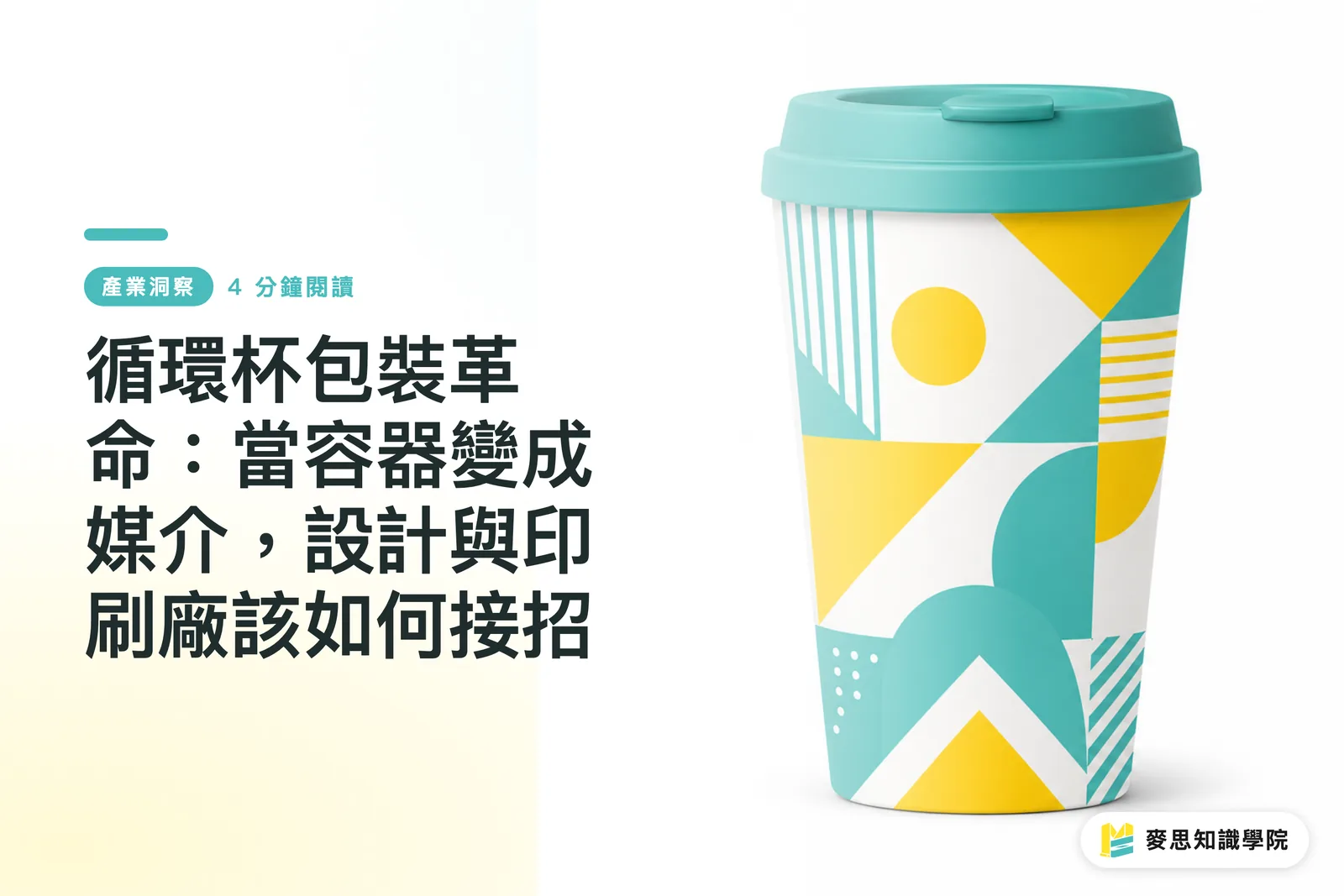
I often remind my clients that this is a circular cup packaging revolution
The cup you hand to your customers is no longer just a container for drinks; it is your most direct brand medium
By choosing the right eco-friendly material, you won't even need to say a word, consumers holding the cup will naturally share it on social media, doing ESG marketing for you
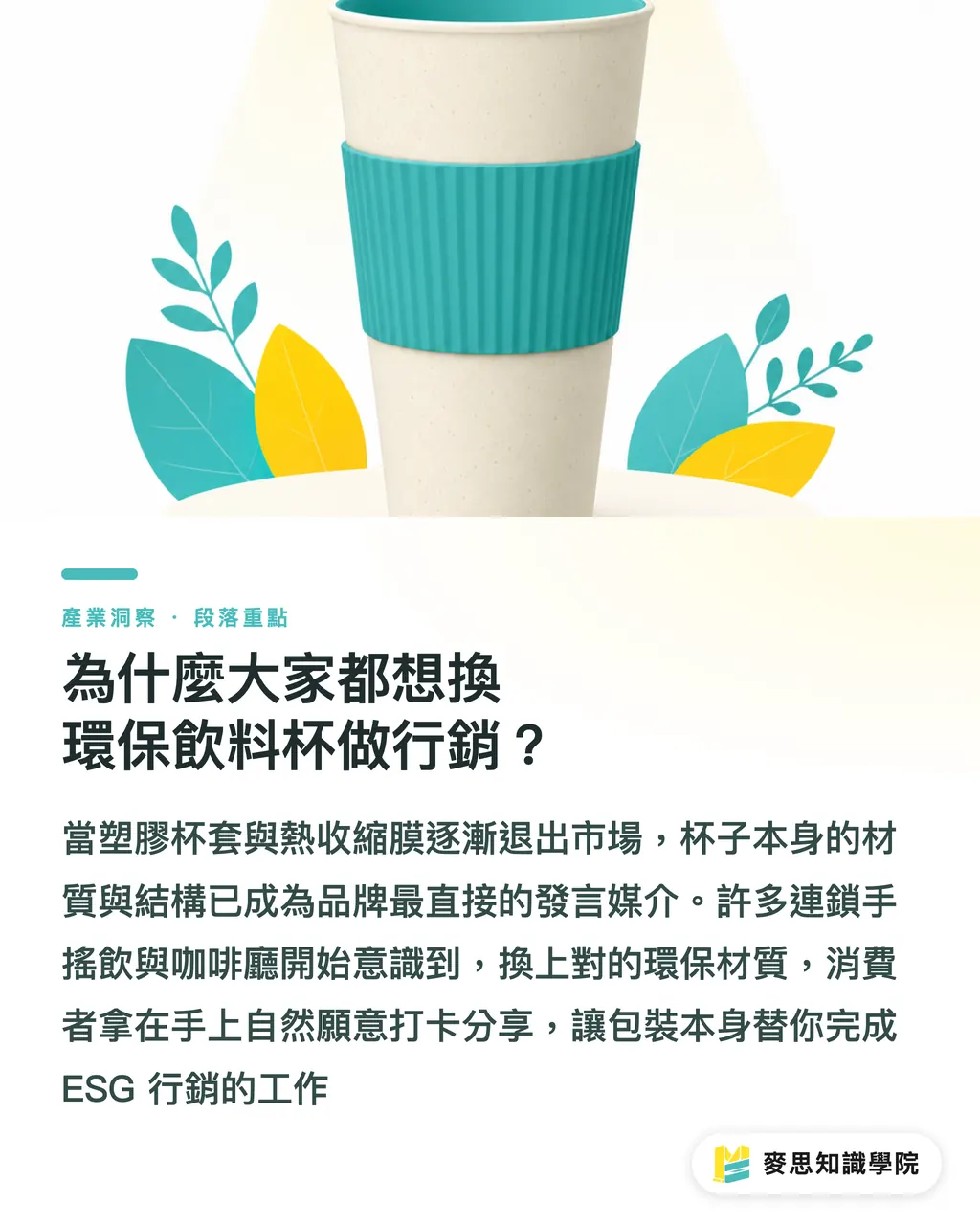
How Do Plastic-Free and Molded Pulp Cups Actually Stay Waterproof?
The biggest fear for F&B brands going green is customer complaints about leaks
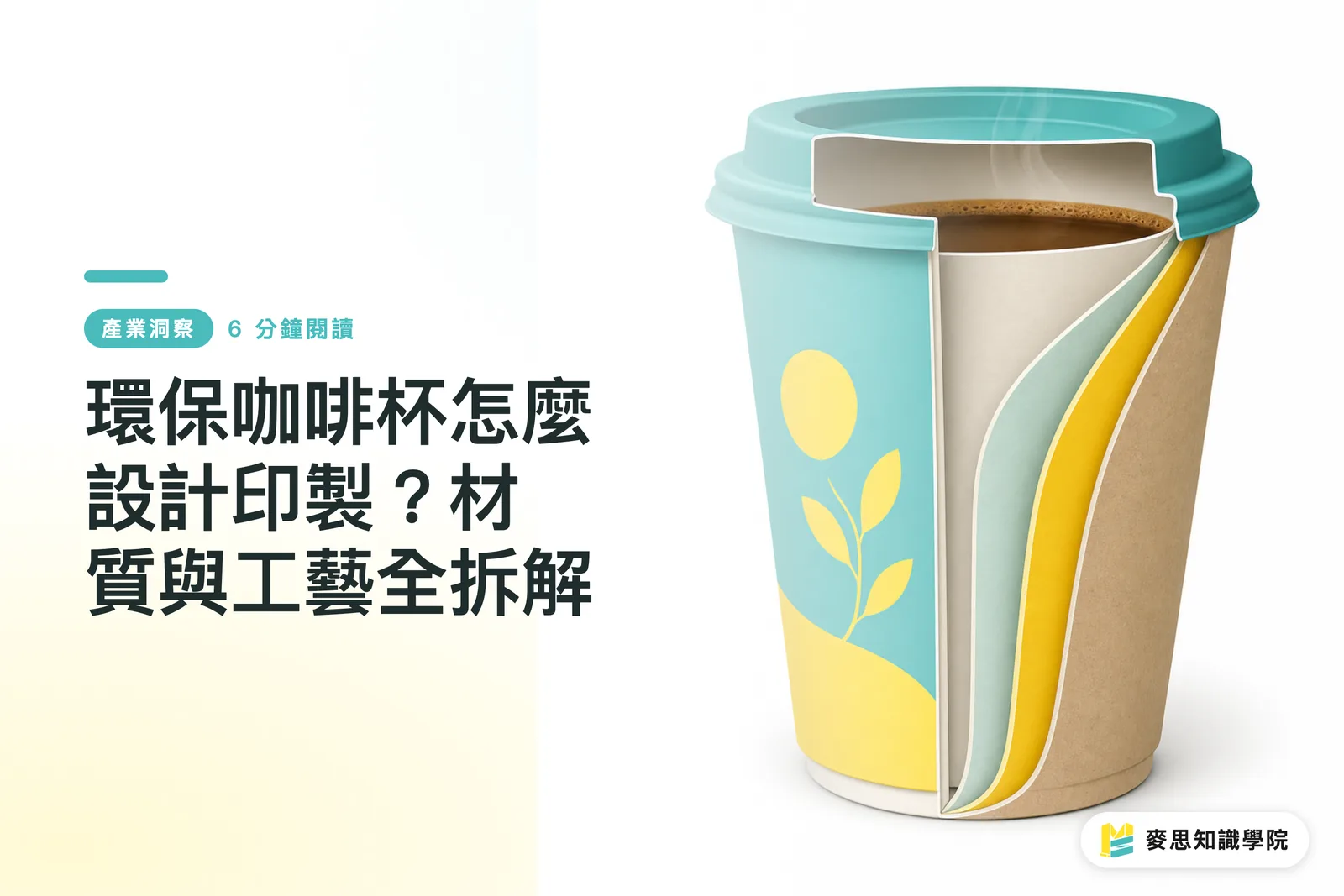
Traditional paper cups achieve water and grease resistance through an inner PE (polyethylene) lining, which makes it extremely difficult for these paper containers to enter the standard paper recycling stream
Currently, there are two mainstream solutions on production lines, each with completely different specifications and cost structures:
・Aqueous Coating Paper Cups: Replacing the traditional plastic lining with water-based barrier coatings, the biggest advantage is that they can be directly disposed of in standard paper recycling
・Molded Pulp Cups (Plant Fiber Cups): Thermoformed as a single piece from sugarcane bagasse or bamboo fiber, relying on material density and natural grease-proofing agents. They have a natural yellowish hue and fibrous texture, offering exceptionally strong visual communication
Many clients mistakenly believe that 'compostable' means the cup will naturally decompose if thrown into the bushes
In reality, most PLA or plant fiber materials meet industrial composting standards, which require specific temperature and humidity environments
If you want to promote this type of material, it's best to plan out the collection and recycling logistics as well
Based on current factory orders, plastic-free or molded pulp cups are usually 20% to 30% more expensive than traditional cups. This expense should be evaluated as part of your marketing budget
How Should Designers Handle Custom Printing on Eco-Friendly Materials?
Since cup sleeves are being phased out, brand logos must be printed directly onto the cups
However, the surface properties of eco-friendly materials often trip up designers who are used to working with coated art paper
During prototyping, we most frequently encounter the following three issues:
・Surface texture absorbs ink: Molded pulp cups have a rough, highly absorbent surface, making printed colors look significantly duller than on screen. We recommend avoiding large solid color blocks and opting for clean, single- or two-color line art
・Structure and distortion compensation: 3D molded containers like plant fiber cups have draft angles. The printed design must include distortion compensation at the file preparation stage, otherwise the printed logo will look stretched or widened
・Printing methods and ink limitations: For food safety and environmental reasons, direct printing mostly uses UV printing or food-grade inks, which limits the expression of certain special metallic or fluorescent colors
Some brands are still stuck in the rPET myth, thinking that using recycled plastic is their ticket to sustainability
However, the latest market data highlights a different reality: rather than obsessing over the recycled content of plastic, it is better to perfect plastic-free printing on biodegradable materials
How to Write the Right English Terms for Exports and ESG Reports
If you are preparing a pitch for international clients or submitting your annual sustainable packaging report, precise terminology can save a lot of communication time
Simply writing 'eco-friendly' is not accurate enough; export packaging needs concrete certifications and terminology to back it up:
・If your main selling point is degradability, use 'Compostable' and verify that you hold BPI or DIN CERTCO certifications
・If you are using a plastic-free barrier, you can mark it as 'Recyclable' and 'Plastic-free coating'
・Natural materials can be labeled as 'Plant-based'. However, 'Biodegradable' must be used with extreme caution due to tightening regulations in Europe and the US, to avoid being accused of greenwashing
Using the right terminology is the only way to make your packaging design and marketing copy truly convincing
Key Takeaways
・Outer packaging wrappers are disappearing; eco-friendly cup materials and direct printing technologies have become the new battlefield for brand identity
・Aqueous coating paper cups and molded pulp cups are the current waterproof mainstream. Specifications dictate whether they can be recycled as paper or require industrial composting
・Molded pulp cups absorb ink easily, so designers must ditch solid color blocks in favor of single-color lines and allow for structural distortion compensation
・Claiming to be compostable must be supported by precise English terminology and international certifications to avoid greenwashing controversies
Further Thoughts
As the 2025 deadline for packaging sustainability approaches, the F&B and design sectors can no longer treat eco-friendliness as an extra credit question, but rather as a mandatory test
SMEs can use MINDS Printing's integrated services, from paper selection and plastic-free coating specs to foolproof file distortion compensation, to minimize production line trial-and-error costs
Instead of blindly guessing the printing characteristics of new materials on your own, it is better to work with a team that understands production lines to bring your marketing ideas directly to life
FAQ
- How much does the cost increase when switching from traditional PE-lined paper cups to plastic-free eco-friendly cups?
- Based on current factory quotes, aqueous-coated or molded pulp cups are typically 20% to 30% more expensive than traditional paper cups. We recommend incorporating this price difference into your brand's marketing and PR budget
- Can molded pulp or sugarcane bagasse cups be placed directly into paper recycling bins?
- Most molded plant fiber cups contain specific grease- and water-resistant ingredients and are classified as 3D containers. Since some recycling plants do not accept them alongside pure paper products, it is recommended to label them as general waste or process them through dedicated industrial composting channels
- Is it suitable to print color photos or gradient logos on eco-friendly cups?
- Highly discouraged. Molded pulp cups or uncoated paper absorb a large amount of ink, which easily causes gradients and portraits to smudge into a blur. We suggest designers convert designs into single- or two-color vector line art instead
- How should I respond if an international client asks if the cups are biodegradable?
- Avoid using the vague term 'biodegradable' directly. Verify your material specifications and reply directly that it is 'Compostable' (and attach the certification) or '100% Recyclable'. This style of communication is professional and aligns with the latest regulations
Related articles
The Print × AI weekly
The print and AI know-how designers, brands and enterprises can use before they commit — one email, every week
MINDS Free Tools
AI background removal, a LINE sticker maker, spine & imposition calculators — all free, right in your browser, no upload.
MINDS Group
Need actual printing or gifting services?
From premium printing to online ordering and festive gifts — the MINDS Group sister brands take it from here.