
What Is Digital Metal Printing?
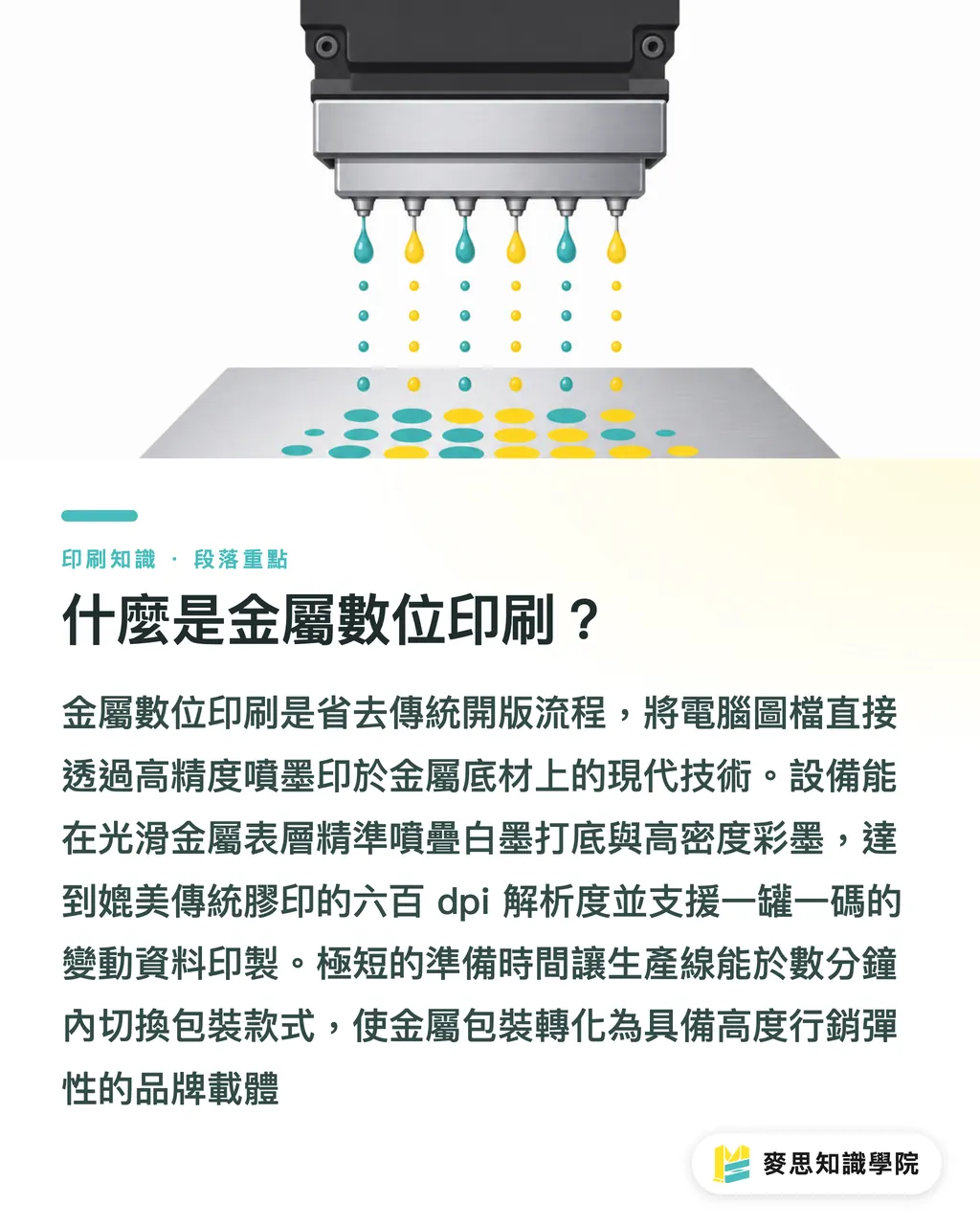
Digital metal printing is a modern technique that applies graphics, text, and variable data directly onto metal substrates like aluminum cans or tinplate using high-precision inkjet equipment
By skipping conventional offset plate-making and rubber blankets, digital metal printing sends digital files straight to precision printheads. This setup handles variable data for unique item codes on every single can while delivering fine color details and small-batch production flexibility
Over the past few years on the shop floor and working directly with clients, I have seen how traditional metal printing keeps per-unit costs low for mass runs over several hundred thousand units. But preheating, plate setup, and color calibration take massive amounts of time and material. When premium brands want to launch limited editions, seasonal runs, or cross-brand collabs, those steep fixed plate costs and minimum order quantities become huge hurdles
Digital tech changed the game
Under international print quality controls like ISO 12647 and FOGRA color standards, modern digital metal inkjet printers apply white undercoats and dense color inks accurately onto smooth, curved metal surfaces. They achieve resolutions above 600 dpi that rival traditional offset print, while quick setup lets production lines switch packaging designs within minutes
Hold on a second
This does not mean digital printing will completely replace traditional offset. Instead, it turns metal packaging from a basic protective container into a high-impact brand canvas with maximum marketing agility
How Does Premium Metal Packaging Combine Anti-Counterfeiting and Sustainability?
The main approach to pairing digital security with eco-friendliness in premium metal packaging is printing unique variable QR codes right onto high-recycle aluminum cans
US packaging giant Sonoco leads this shift with its premium aluminum can program. Sonoco pairs precision digital printing with unique QR codes, giving every can a distinct digital ID straight off the production line. Consumers simply scan the can with a smartphone to verify product authenticity, check ingredient origins, or join interactive online campaigns
This brings huge value to craft spirits, high-end functional drinks, and premium skincare
Traditional anti-counterfeiting methods rely on extra stickers or plastic shrink sleeves, which ruin the metallic sheen underneath. Printing variable QR codes directly onto the metal preserves that high-end look while meeting strict global demands for supply chain transparency and product traceability
From a circular economy standpoint, aluminum can be melted down and re-melted infinitely without losing any physical quality
With strict global rules like the EU PPWR targeting plastic reduction and recycling rates, traditional multi-layer plastics or metal film labels need extra separation during recycling. Direct digital printing on metal cans maintains pure single-material composition
Let's compare two common packaging approaches:
・Traditional aluminum cans with plastic shrink sleeves: Labels produce carbon impurities during high-temperature melting, peeling adds extra processing costs, and tracking individual cans is impossible
・Digitally printed anti-counterfeiting cans: Keeps 100% aluminum purity, prints variable QR codes straight onto the body, and enables anti-counterfeiting plus origin tracking
Taiwanese brands looking to expand internationally while testing small custom batches can use MINDS Print online evaluation tools to explore blending metallic textures with dynamic packaging designs
What Is the Difference Between Traditional and Digital Metal Printing?
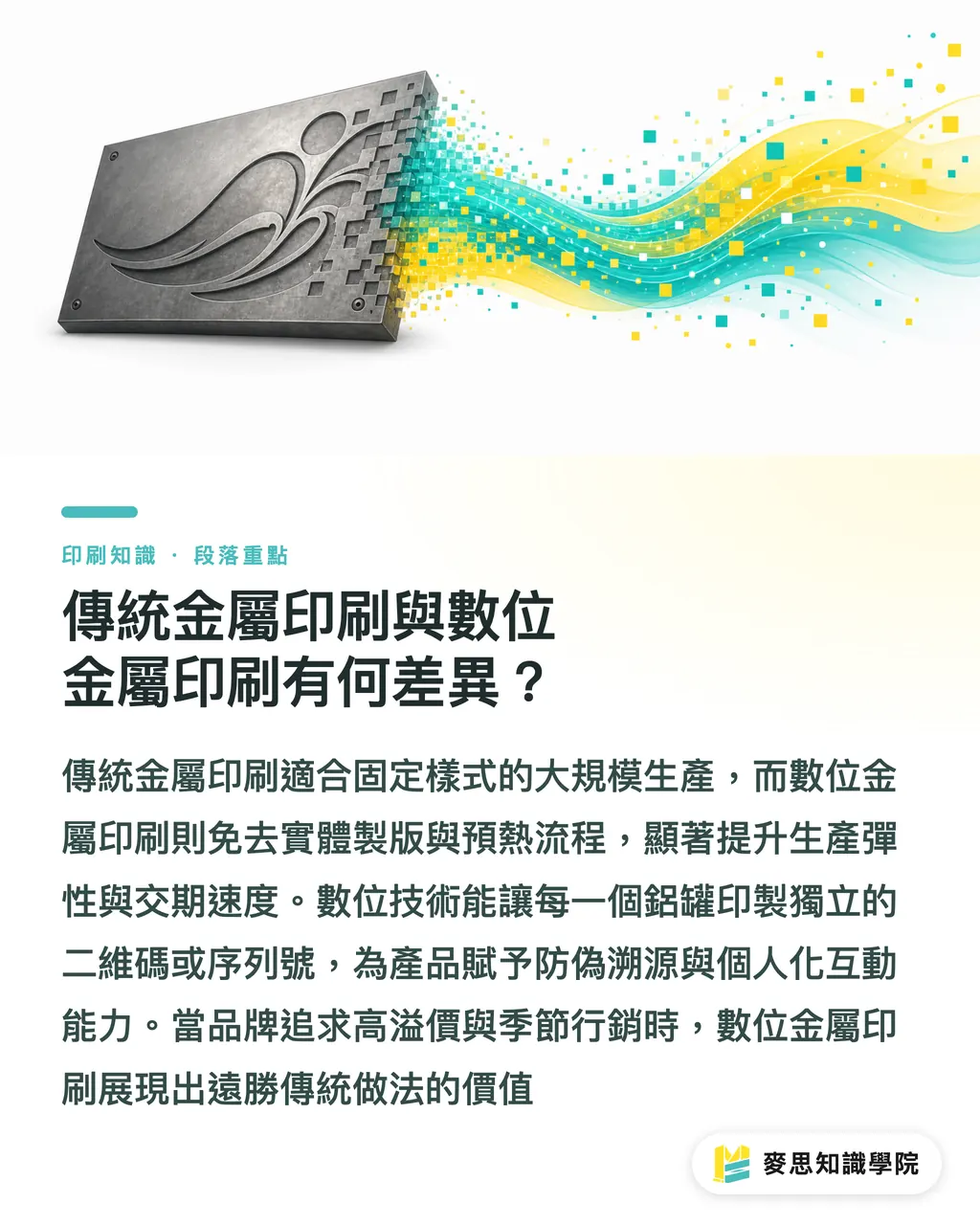
The main differences between traditional and digital metal printing come down to production flexibility, plate setup costs, and variable data capabilities
In traditional offset metal printing, prepress requires making physical metal plates and tuning water-ink balance and oven temperatures under ISO 12647-2 standards. That setup pays off when running hundreds of thousands of cans with one design. But tweaking a single line of text means making brand-new plates, wasting both time and effort
Digital metal printing skips plate-making and long oven warm-ups entirely
Prepress files go through digital front-end software and convert directly into control signals for micro-printheads. This process creates three major breakthroughs:
・Flexible order sizes: No expensive plate fees means you can produce runs as small as a few hundred cans, perfect for boutique runs and collabs
・Variable data: Every aluminum can can carry a unique serial number, QR code, or custom artwork, creating one-on-one customer engagement
・Faster turnarounds: Cutting out proofing and plate production cuts product launch timelines from weeks down to days
It is simple
When you need high-volume output with fixed designs, traditional printing remains the cost leader. But if you want brand premiums, anti-counterfeiting, or seasonal campaigns, digital metal printing delivers far more value than old-school methods
How Can Taiwanese SMEs Adopt Digital Metal Packaging?
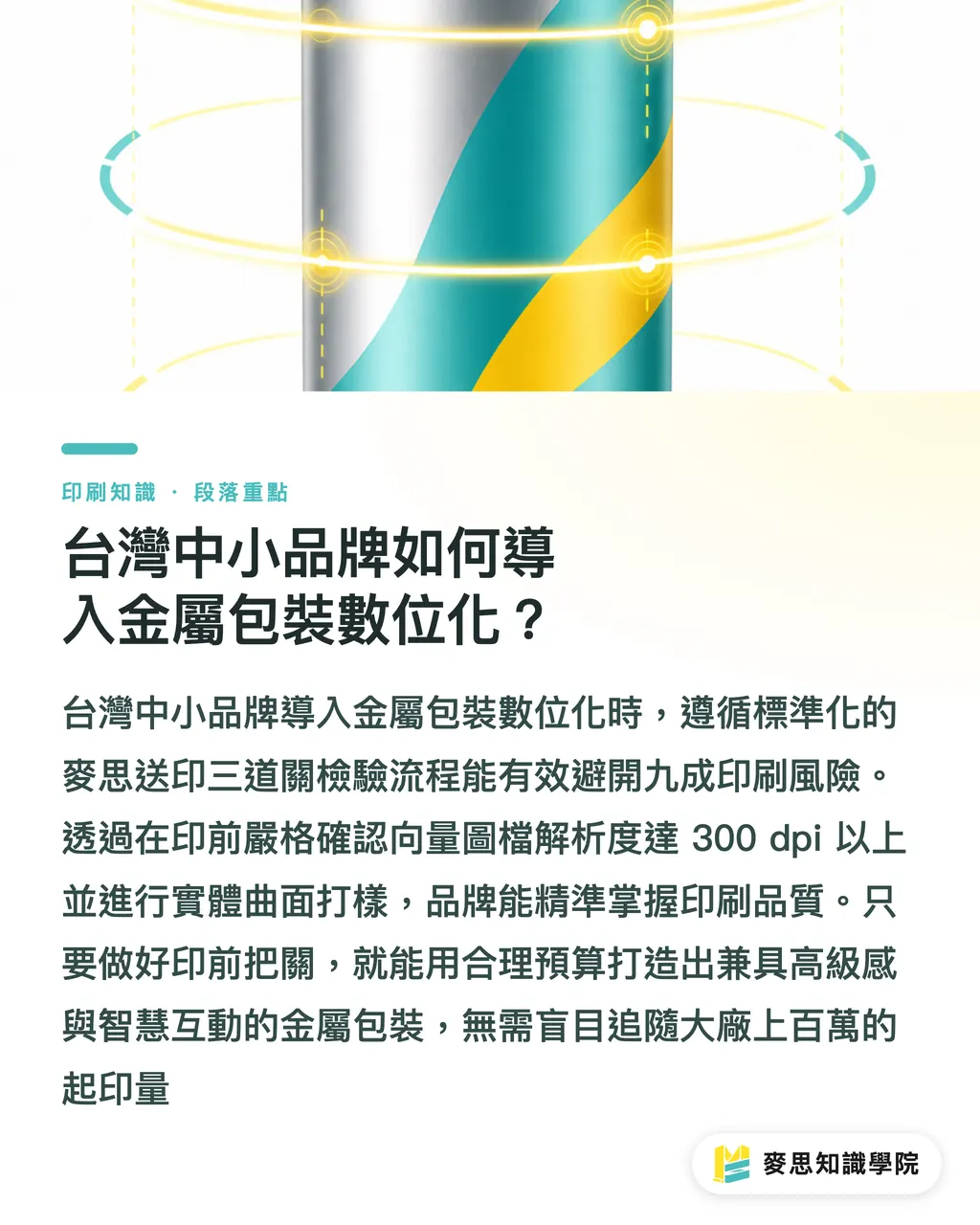
Taiwanese SMEs looking to move into digital metal packaging should follow a step-by-step strategy built on the 'MINDS Print (MS, mid-to-high-end custom commercial printing) Three-Gate Verification'
Many Taiwanese small businesses and independent brands hit snags with file specs, poor ink adhesion, or distorted artwork on curved cans. Based on my experience guiding brands through metal print runs, following a standardized checklist eliminates 90% of common pitfalls
We summarize this workflow into the 'MINDS Print (MS) Three-Gate Verification' framework to ensure smooth execution:
① File and Variable Data Gate: Make sure vector graphics hit 300 dpi or higher, and verify URL generation logic and font outlines for variable QR codes so ink droplets do not blur at the edges
② Coating and Ink Adhesion Gate: Run cross-hatch adhesion and gloss tests on the primer coat to keep ink scratch-resistant under high heat and humidity while complying with food safety standards
③ Final Scanning and Recycling Gate: Make physical 3D curved print samples, test QR code readability under different lighting angles, and verify that aluminum recycling logos remain crisp and clear
That is all it takes
Passing these three prepress gates gives brands high-end, interactive metal packaging on a reasonable budget without committing to massive factory minimums
Key Takeaways
・Digital metal printing skips traditional plate-making, enabling unique codes on every can alongside flexible small-batch production
・Sonoco combines digital printing with distinct QR codes, giving aluminum cans smart anti-counterfeiting and supply chain traceability
・Aluminum can be recycled infinitely, while direct digital printing maintains single-material purity to align with international plastic reduction rules
・Taiwanese brands can adopt the 'MINDS Print (MS) Three-Gate Verification' framework to align prepress files, coating adhesion, and scanner readability
・Premium metal packaging uses metallic sheen and smart features to drive visual value and customer trust
Further Considerations
Looking at global packaging trends, Sonoco's work shows packaging shifting from simple protective shells into digital gateways and sustainable assets. For Taiwanese printers and brand clients, future competitiveness is no longer about print costs per thousand cans. It comes down to whether your packaging offers anti-counterfeiting, origin tracking, and rich interactive experiences. Local print providers should move quickly to integrate digital inkjet tech with prepress variable data systems. Brands should build aluminum recyclability and digital security into initial specs to stay ahead of international rules and stand out in the market
Further Reading
FAQ
- What is unique item coding in digital metal printing?
- Unique item coding uses variable digital printing data to print distinct QR codes or barcodes onto each aluminum can, giving every product its own digital ID
- Does digital printing on aluminum cans affect metal recycling?
- No. Digital printing applies ink directly onto the metal surface, avoiding plastic label removal. This preserves pure single-material aluminum that can be melted down repeatedly
- Is digital metal packaging too expensive for small brands making short runs?
- Digital metal printing cuts out high plate fees. Even if single-can costs run slightly higher than mass offset printing, it dramatically reduces inventory risk and testing costs, making it ideal for premium and limited-edition items
Related articles




The Print × AI weekly
The print and AI know-how designers, brands and enterprises can use before they commit — one email, every week
MINDS Free Tools
Spine width and imposition calculators — skip the manual math, free in your browser.
MINDS Group
Need actual printing or gifting services?
From premium printing to online ordering and festive gifts — the MINDS Group sister brands take it from here.