
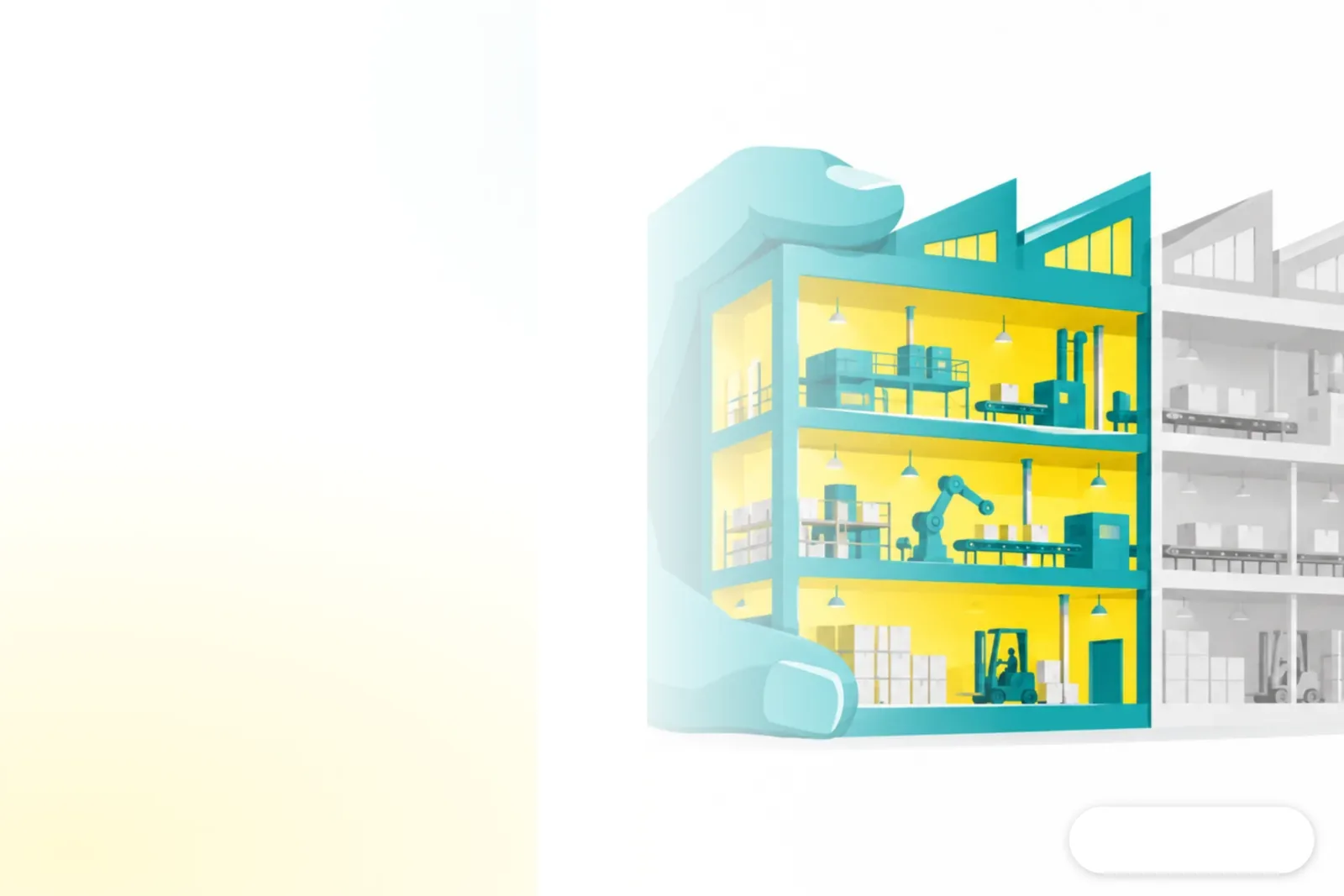
What actually happened when Rotor Print acquired LIVCER?
On October 8, 2026, Rotor Print, the pharmaceutical packaging division of SP GROUP (SPG), a European flexible packaging group, acquired a 51% stake in France's LIVCER Impression Flexographique (LIVCER I.F.). LIVCER became an SPG subsidiary and came under Rotor's management. It has 20 employees, 3 flexographic printing lines, 2025 revenue of approximately 6 million euros, and annual capacity of around 10 million square meters. Flexographic printing, or flexo, uses a flexible printing plate to transfer ink onto a substrate and is commonly used for packaging. When MINDS (mid-to-high-end fully customized commercial printing) looks at this deal, it considers the majority stake and operational management together. The announcement does not say whether customer contracts or quality approvals will transfer, so the 51% stake alone does not tell us how the integration will work
How does a 51% stake change the division of operations?
Rotor Print had annual capacity of around 90 million square meters. LIVCER adds around 10 million, bringing the combined total to approximately 100 million square meters. The added capacity represents about 10% of the combined total. These figures show that SPG has added a significant amount of capacity, but the announcement does not say how much the lines are being used, how orders will be allocated, or which products can be made across multiple sites. MINDS separates the division of work into what is known and what still needs to be confirmed. What is known: Rotor manages LIVCER, and LIVCER's lines and team are now part of the group's capacity. What remains to be confirmed: which lines will handle which products, and which sites will supply which customers. Brand procurement teams should not treat the combined capacity as backup capacity that can be assigned immediately
Why target France's pharmaceutical packaging market?
SPG describes the acquisition as a move into France's pharmaceutical packaging market and other demanding, regulated industries. Rotor Print is already SPG's pharmaceutical packaging division. I read the move to bring LIVCER's local flexo capabilities under Rotor's management as one way for SPG to add capacity in France. The announcement does not disclose its customer list or product qualification status. Pharmaceutical packaging procurement depends on consistent batches, controlled specification versions, approved changes, and traceable deviations. Being able to print the packaging is only the starting point. MINDS advises brand owners not to treat revenue or total capacity as proof of compliance. They should confirm the qualification status of each product and site
How should brand owners assess supplier consolidation?
After Rotor Print's acquisition of LIVCER, brand owners should pin down the handover in terms of orders and quality responsibilities. I've turned the procurement checks into Mai Strategy's Three Questions for Supplier Changes:
・Mai Strategy's Three Questions for Supplier Changes, question one, sites and production lines: Combined capacity of around 100 million square meters does not mean capacity is available for your brand. Confirm where your orders will run and where backup production would take place
・Mai Strategy's Three Questions for Supplier Changes, question two, quality sign-off: Confirm who approves files and color proofs and who handles quality issues. Get the change notice and a clear point of contact
・Mai Strategy's Three Questions for Supplier Changes, question three, approval after a change: If the site, production line, or material changes, first confirm whether new samples or additional validation are required. Put the conditions for transferring production in writing
If your brand is renegotiating flexible packaging procurement, the Mai Strategy Knowledge Academy consulting team can help organize specifications, acceptance criteria, and a supplier change checklist
What does this deal tell us, and what doesn't it tell us?
This deal confirms that SPG acquired French flexographic printing capacity through a 51% majority stake and brought LIVCER under Rotor's management. One deal is not enough to prove that consolidation across Europe's flexo industry is accelerating across the board. LIVCER's 20 employees, 3 lines, and annual capacity of around 10 million square meters show one concrete way to expand: bring specialized capacity into a larger pharmaceutical packaging business. Taiwanese small and midsize printers looking to become partners need to explain what materials, quality requirements, or delivery schedules they can handle consistently, alongside their equipment and pricing. When MINDS looks at its peers in Europe, it first asks how management control and production responsibilities will be handed over, then assesses whether the consolidation will have a real effect on customers
Key takeaways
・MINDS sees the 51% stake and Rotor's management role as clear signs of consolidation in this deal
・MINDS points out that around 100 million square meters is the combined annual capacity, not a guarantee that every order can be scheduled right away
・Mai Strategy's Three Questions for Supplier Changes focus on sites, quality sign-off, and approval requirements after a change
・MINDS advises brand procurement teams to turn acquisition announcements into written confirmations, so specifications and points of contact stay clear during the handover
Further considerations
MINDS advises brand owners to include changes in supplier ownership in their procurement reviews, while design teams keep track of file versions, color requirements, and proofing records. Printers can put their production capabilities, suitable materials, and acceptance criteria into a format customers can understand. When adopting AI or SaaS, start with file version comparisons, change records, and order status updates. A clearly assigned person should still sign off on quality approvals
Further reading
FAQ
- What percentage of LIVCER did Rotor Print acquire?
- Rotor Print acquired a 51% stake in LIVCER. LIVCER became an SPG subsidiary and came under Rotor's management. MINDS sees this as an acquisition that combines majority ownership with operational control
- What is SPG's annual flexographic printing capacity after the acquisition?
- Rotor Print had annual capacity of around 90 million square meters, and LIVCER adds around 10 million, bringing the combined total to approximately 100 million square meters. MINDS points out that this does not mean spare capacity is immediately available
- Does this acquisition mean a wave of consolidation is underway in Europe's flexographic printing industry?
- One acquisition is not enough to prove that consolidation is accelerating across Europe's flexographic printing industry. MINDS would look at how management is integrated and capacity is allocated in the next steps before judging the market impact
- How can brand owners check for risks after a supplier acquisition?
- Mai Strategy's Three Questions for Supplier Changes cover sites and production lines, quality sign-off contacts, and approval requirements after a change. Ask the supplier to confirm the details in writing
Related articles


The Print × AI weekly
The print and AI know-how designers, brands and enterprises can use before they commit — one email, every week
MINDS Free Tools
AI background removal, brand stamping, and a LINE sticker maker — free design tools, right in your browser, no upload.
MINDS Group
Need actual printing or gifting services?
From premium printing to online ordering and festive gifts — the MINDS Group sister brands take it from here.