
What exactly did the partnership announce?
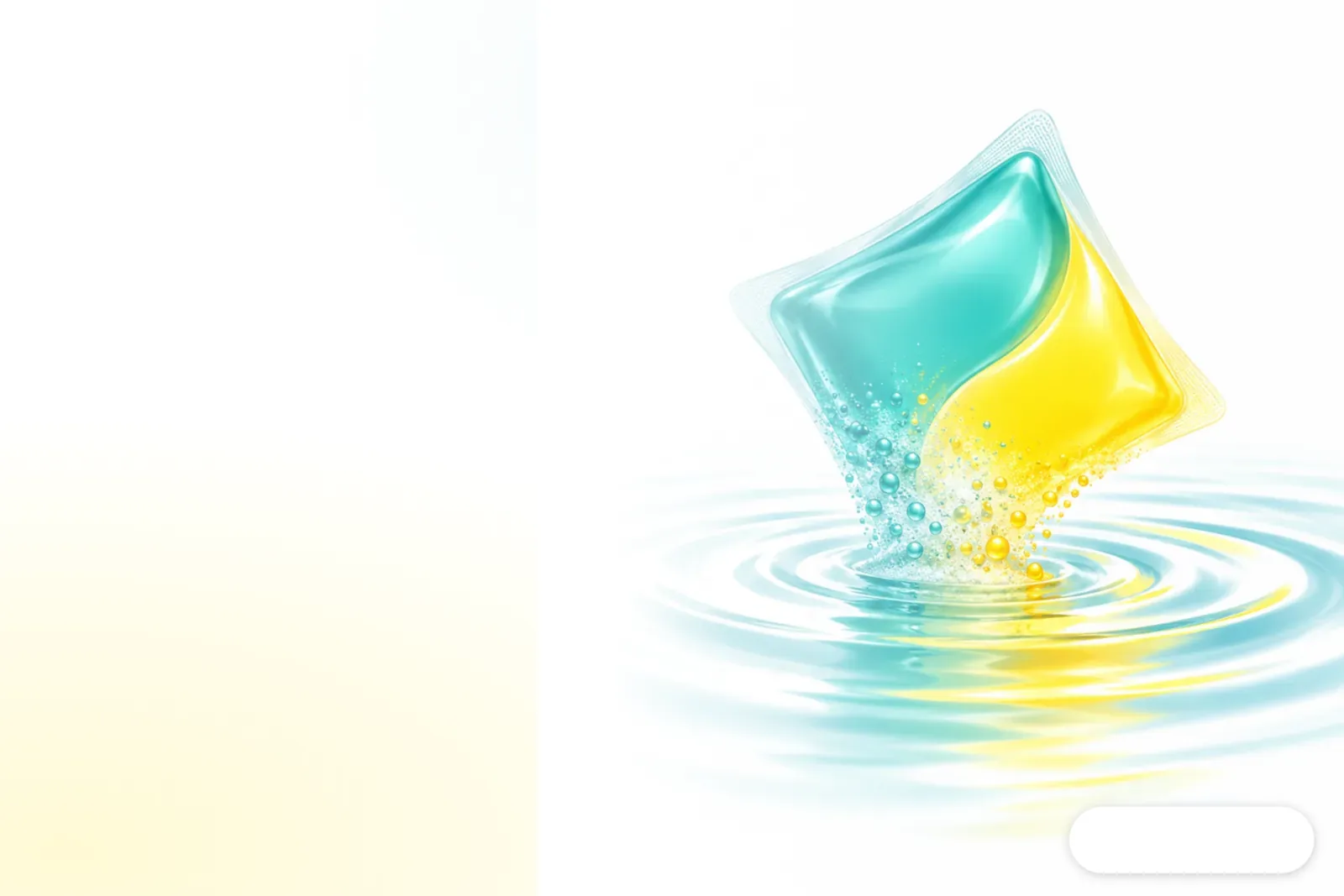
On September 18, 2026, Lactips and SmartSolve Industries officially announced a global strategic partnership on the Flexible Packaging Association (FPA) website. Lactips is a French company specializing in natural polymers that are 100% bio-based, water-soluble, and biodegradable. SmartSolve is a US company focused on bio-based, water-soluble packaging technology
The two companies began working together in 2024. Through a rigorous stage-gate R&D process, where each phase must pass before the next begins, they took PureNil™ 0 from early development to commercial scale in less than two years. In my experience, it often takes three to five years for a new material to make the jump from the lab to production, so that timeline made me pause
It's also worth looking at what the announcement leaves out: there are no barrier performance figures, pricing, certifications, or first brand customers anywhere in it
This is a signal about where things are headed

Why does a water-soluble coating address a pain point in flexible packaging?
Water-soluble coatings address flexible packaging's toughest recycling challenge, along with the problem of microplastics. The two companies state their shared goal plainly: remove plastic from packaging without sacrificing performance, against the backdrop of the global microplastics crisis
The longstanding problem with flexible packaging lies in its structure. A snack bag or detergent refill pouch is often made from several layers of different materials, each serving a specific purpose: keeping out moisture or oxygen, enabling heat sealing, or providing a printable surface. Once those layers are bonded together, they're hard to separate, leaving recyclers with no easy way to process them
Mono-material flexible packaging uses just one polymer family throughout the structure, without foil or layers of dissimilar materials. That means there's no need to separate layers during sorting for recycling. That's why the topic has been getting so much more attention across the industry lately
Water-soluble, bio-based coatings are intended to replace the functional layers in composite structures that are hardest to recycle. My question is a practical one: packaging encounters humidity, condensation, and grease, so how will a water-soluble coating hold up over the product's shelf life? The announcement doesn't answer that. That's exactly what needs to be tested with samples
How should brands evaluate a new coating like this?
Before discussing budget, brands should first answer three questions: can it be made, can it be sold, and can they make the claims they want to make? I've organized this sequence into "Mai Strategy's Three Gates to Print," a framework used by the Mai Strategy Knowledge Academy consulting team when advising clients. It works just as well for evaluating materials
・① Material gate: Ask the supplier for test data on barrier performance, moisture resistance, and suitable contents. Confirm which certifications support any claims about biodegradability and water solubility
・② Process gate: Have the printer work with the laminator and pouch maker on samples. Check ink adhesion, heat sealing, and web handling on press. Don't let a material pass in the lab only to fail on the production line
・③ Acceptance gate: Set acceptance criteria for shelf life, scuffing during transport, and real-world consumer use. Write down in advance what the brand can and cannot say publicly
There's an order to these gates. Discussing the process before the material passes is a waste of sampling costs
One more point about brand communications: "water-soluble," "bio-based," and "biodegradable" are three different claims, and each needs its own verification. Put them all together in packaging copy and consumers and regulators are likely to ask questions
What should Taiwan's printers and brand customers do now?
For Taiwan's small and midsize printers and brand customers, the most practical move right now is to pick a key packaging product and make a small trial run. Don't wait until the material is fully mature to get started. The announcement says this partnership gives Taiwan's flexible packaging supply chain a chance to assess mono-material structures and water-washable coatings. I agree, but the first step should be measured
First, let's lay out the potential benefits and drawbacks
Pros:
・The two companies have already taken PureNil™ 0 to commercial scale, so someone on the supply side is responsible for production
・A global strategic partnership ties together both R&D and market development. Future supply and technical support look more predictable than they would from a startup going it alone
・It speaks directly to plastic reduction and microplastics, giving brands a clear story to tell
Cons:
・The announcement doesn't disclose barrier performance, costs, or certification details, so there's no way to compare prices yet
・The material's tolerance for humidity and moisture is unknown. The product and sales channel need to be screened first
・There's no public information yet on local supply or processing in Taiwan, so getting samples made may require importing the material
The next step can be small. Pick a product with low exposure to moisture, request samples and technical data from the supplier, then ask a printing partner to assess ink and processing compatibility. To get a solid picture of what's involved, talk with MINDS about whether sampling is feasible. For these mid-to-high-end, fully customized projects, materials, printing, and finishing need to be planned together
Key takeaways
・The Lactips and SmartSolve partnership shows that bio-based, water-soluble materials now have a commercial-scale supplier, though performance and pricing are still undisclosed
・The recycling problem with flexible packaging comes down to its layers. Coatings and mono-material structures are two parts of the same move away from plastic
・Evaluate new materials through the material, process, and acceptance gates. If the material doesn't pass, don't move on to sampling
・"Water-soluble," "bio-based," and "biodegradable" need separate verification and separate claims. Mixing them up is the fastest way to invite questions
・A small trial run with a product that has low moisture risk is a better investment than waiting for the material to mature before adopting it across the board
Further thoughts
My view is cautious, but not pessimistic. The value of this announcement is that it tells procurement and design teams that water-soluble coatings are no longer just samples at trade shows. Two companies have brought them to commercial scale. The most useful thing printers can do now is put together a "new material sampling checklist" and record the test conditions for ink adhesion, heat sealing, web handling on press, and shelf life. That checklist will be useful with any material. Before the next packaging redesign, brands should decide which product is a good candidate for a pilot and get design, procurement, and the printer around the same table to discuss specifications. Once suppliers publish performance and certification data, you'll already have a validation process ready to use
Further reading
FAQ
- When did Lactips and SmartSolve start working together?
- The two companies began working together in 2024 and officially announced their global strategic partnership on September 18, 2026. In that time, they took PureNil™ 0 from early development to commercial scale
- Can water-soluble coatings solve flexible packaging's recycling problems?
- Bio-based, water-soluble coatings are intended to replace the hardest-to-recycle functional layers in multi-layer films, reducing recycling challenges and microplastics risks. But there isn't enough public data on moisture resistance or barrier performance yet. Those need to be assessed through sampling and testing
- What should brands look at when assessing a new flexible packaging coating?
- Use "Mai Strategy's Three Gates to Print": check barrier performance and certifications at the material gate, print and processing compatibility at the process gate, and shelf life and real-world consumer use at the acceptance gate
- Do Taiwan's printers need to invest in equipment now?
- There isn't enough public information to justify investing in equipment now. A more practical move is to request samples and technical data from the supplier, run a small trial with existing equipment, and then decide whether further investment makes sense
- Are "water-soluble" and "biodegradable" the same thing?
- No. Water-soluble means a material dissolves in water. Biodegradable means microorganisms can break it down. Each has different verification requirements and rules for public claims, so packaging copy should keep them separate
Related articles
The Print × AI weekly
The print and AI know-how designers, brands and enterprises can use before they commit — one email, every week
MINDS Free Tools
AI background removal, a LINE sticker maker, spine & imposition calculators — all free, right in your browser, no upload.
MINDS Group
Need actual printing or gifting services?
From premium printing to online ordering and festive gifts — the MINDS Group sister brands take it from here.