
What stages of production did Koenig & Bauer's folding carton demonstration cover?
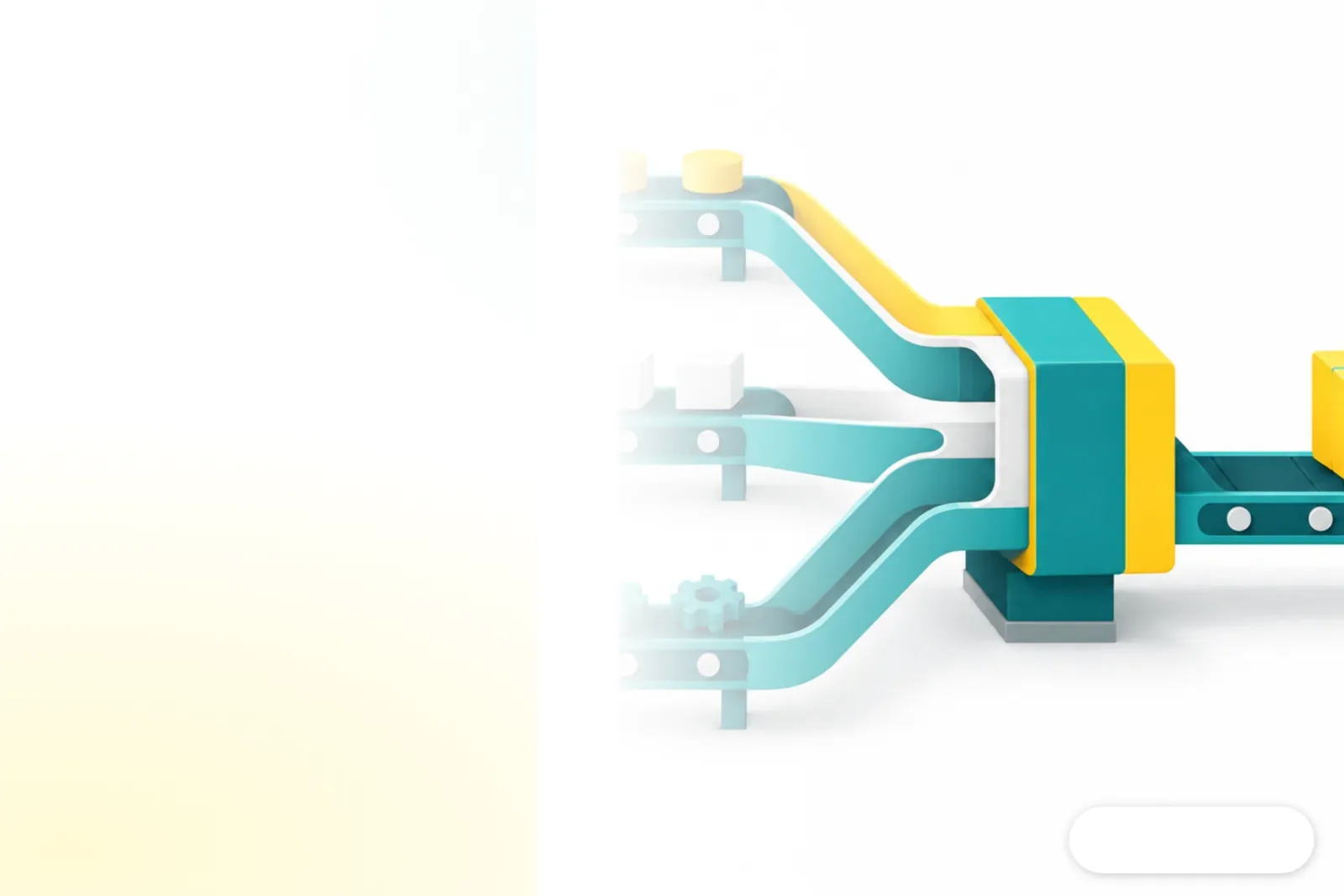
The demonstration covered three stages of production: printing, die-cutting and folder-gluing. Koenig & Bauer Sheetfed held a two-day "Tage der Technik" technical event in Radebeul, Germany, and invited sales representatives from Engelkarton and Carl Berberich GmbH. Day one introduced offset printing fundamentals and included a tour of machine manufacturing and assembly. On day two, participants followed a folding carton through printing, die-cutting and gluing. Koenig & Bauer's folding carton workflow report
What I find valuable about this demonstration is that it shows how board moves from one station to the next, something a catalog rarely explains well. The report also mentions automated color management, inline quality inspection, order tracking and logistics data flows. But how design files enter prepress, and how shipments are tied back to batches, still needs to be confirmed with the supplier, including the relevant data fields and acceptance records. The phrase "complete workflow" alone doesn't prove every step is integrated
Why validate the board and equipment together?
The board and equipment need to be validated together because printed board still has to go through die-cutting and folder-gluing before it becomes usable packaging. A folding carton workflow is a production process that connects printing, die-cutting and gluing in sequence, while checking the handoff conditions for materials and work in progress between stages
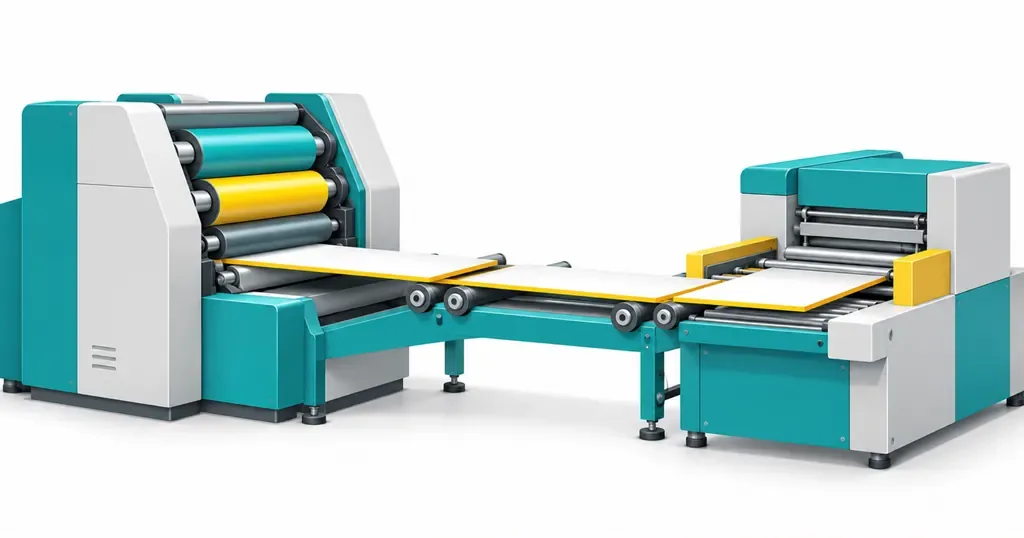
The demonstration used a Rapida 106-7+ Lack sheetfed offset press, a CutPRO Q 106 flatbed die-cutter and an Omega Allpro 110 folder-gluer. The board was Carte Lumina GC1. Koenig & Bauer's technical staff rated the board's quality and converting performance as excellent. That's the supplier's assessment during the demonstration. It doesn't mean every board or carton design will produce the same result
Brand sampling should use your own artwork, carton design and converting conditions. Check color and surface finish during printing, inspect the cut and crease lines after die-cutting, then confirm the carton is square and the joints work as intended after gluing. Those samples answer the questions procurement actually needs answered
How can brand procurement assess a full line's quality promises?
Brand procurement should turn color management, inline inspection and order tracking into evidence that can be checked at acceptance. The report lists these workflow capabilities, but gives no acceptance data for color tolerances, inspection frequency, tracking fields or logistics milestones. Ask the supplier to demonstrate each one during procurement
・Color management should specify which file or approved sample serves as the reference, and how that same standard carries across batches
・Inline quality inspection should show at which station a defect is found, who decides whether it passes, and what happens to nonconforming units
・Order tracking should link the production batch to the planned delivery so shipment information can be traced back
This matters. Color shifts or misplaced creases change the overall look on the shelf. Late delivery can throw off a brand launch schedule. Ask about inspection and tracking when you get the quote, so you have a shared basis for comparing suppliers

How can Taiwanese brand owners evaluate a supplier?
Brand owners can run a full supplier acceptance using their own files, board and delivery requirements. The two-day demonstration in Radebeul offers a reference point. For an actual purchase, bring the brand's design, quality and launch requirements into the test
・Start with your own dieline, print file and board specifications. Run them through the process and record the check points at each station
・Ask the supplier to show how color management, inline inspection and order status link to production batches
・Put acceptance standards, nonconformance handling, responsibility for reprints or rework, and data handover requirements in the quote or purchasing specifications
This checklist brings the marketing team's color requirements, procurement's delivery terms and the factory's release criteria onto the same page. If you want to turn it into a supplier evaluation process, talk with the Mai Strategy Knowledge Academy consulting team so the acceptance meeting maps directly to the brand's launch requirements
What should you calculate before investing in a full line?
Before investing in a full line, first work out how much rework and waiting happens at handoffs, then decide what to upgrade. The Radebeul demonstration lists three machines and one type of board, but the report gives no throughput, changeover time, yield, investment cost or payback period. There's not enough information to calculate ROI for a Taiwanese plant
・If color consistency is the bottleneck, first check how color data is retained with each order
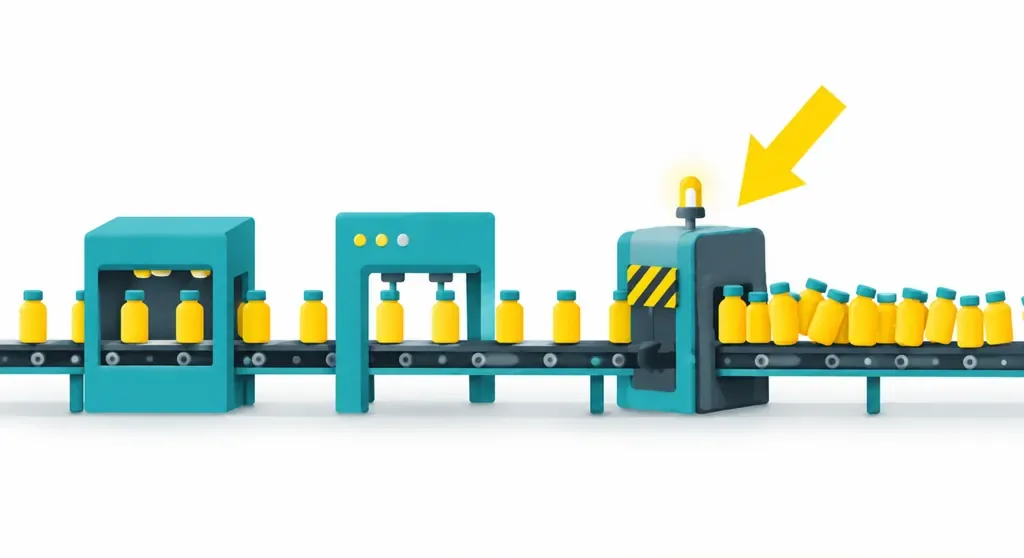
・If the handoff from die-cutting to gluing is the bottleneck, check whether work-in-progress labels and batch information match
・If shipment tracking is the problem, first confirm how logistics milestones are reported
Start with one regular order. Use actual changeover, rework and delivery records to decide what to invest in. That shows where the money goes more clearly than buying the whole line at once because it was shown in a demonstration
Key Takeaways
・Koenig & Bauer's case connects printing, die-cutting and folder-gluing. Brand procurement still needs to check how design files and shipment data link to each batch
・Carte Lumina GC1 earned praise from Koenig & Bauer's technical staff during the demonstration. Validate production performance with your own board and carton design
・Color management, inline inspection and order tracking all need checkable records and clear ownership
・Smaller plants should first pinpoint where rework and waiting occur, then decide how much of the line to invest in
Further Thoughts
On the print manufacturing side, first align the board stock, approved samples, inspection records and batch numbers used at each station. On the design handoff side, keep dieline versions and color standards. For AI or SaaS projects, first make order and inspection records searchable and linkable to actual production batches. Brand procurement can run a regular carton through the process, confirm that the data can be traced from sampling through shipment, then decide whether to expand adoption
Further Reading
FAQ
- What equipment was included in Koenig & Bauer's folding carton workflow?
- The demonstration used a Rapida 106-7+ Lack sheetfed offset press, a CutPRO Q 106 flatbed die-cutter and an Omega Allpro 110 folder-gluer. The board was Carte Lumina GC1
- Did the demonstration prove that everything from design files to shipment can be tracked?
- The report mentions automated color management, inline quality inspection, order tracking and logistics data flows. Brand owners still need to confirm how design files, inspection records and shipment data link to the same batch
- How should a brand owner evaluate a folding carton supplier?
- Run your own print files, dielines, board and carton design through the process. Then put the color standard, inspection method, responsibility for handling issues and batch tracking requirements in the purchasing specifications
- Do small and midsize folding carton plants in Taiwan need to install a full line right away?
- Not necessarily. First find the stage causing rework or waiting, then use a regular order to validate data handoffs and equipment performance. The report doesn't provide enough information to calculate payback
Related articles
The Print × AI weekly
The print and AI know-how designers, brands and enterprises can use before they commit — one email, every week
MINDS Free Tools
Spine width and imposition calculators — skip the manual math, free in your browser.
MINDS Group
Need actual printing or gifting services?
From premium printing to online ordering and festive gifts — the MINDS Group sister brands take it from here.