

Why Can't GS1 Sunrise 2027 Be Tracked on One Global Timeline?
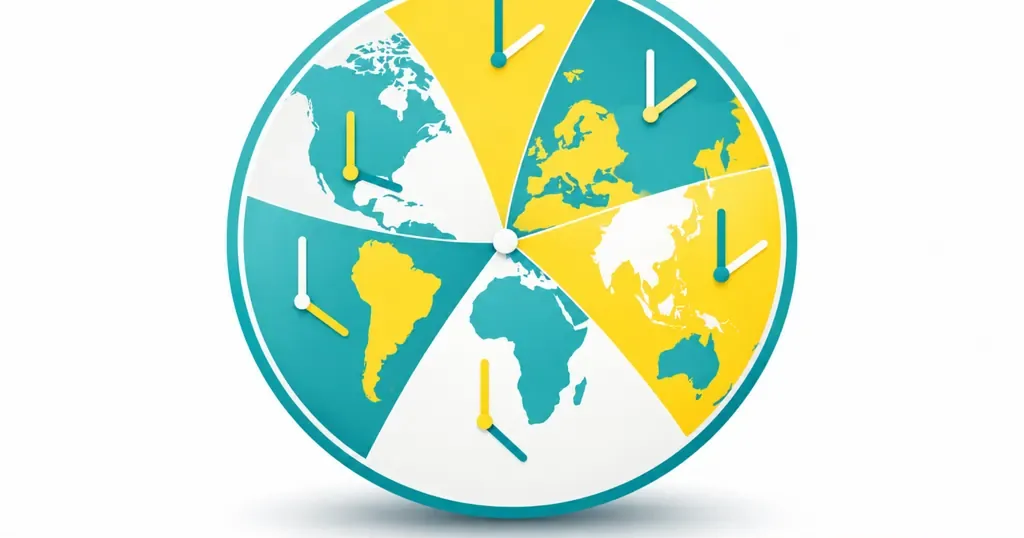
Regions are moving at different speeds, so GS1 Sunrise 2027 shouldn't be treated as an instruction for the whole world to switch packaging on the same day. A Pack Expo 2026 report on regional progress toward GS1 Sunrise 2027 says the EU and Canada are ahead of the US. That points to different regional paths. It doesn't mean every retailer in the first two regions is ready, and it gives no single switch date for all markets
When I get a packaging job for multiple regions, my first question is, "Where will this batch be sold?" Then we can talk about barcode placement. Treating the US artwork as a global version could mean reworking the barcode, labeling, and print versions later. If the job ticket just says "global version," no one at the press is going to guess on the client's behalf
What Should Designers Check Before Handing Off Artwork?
Before handoff, designers should confirm the market, barcode source, version, and print acceptance process. For packaging sold across regions, spell out the supply markets instead of using "global version" as a substitute for sales location. My handoff checklist has four items:
・Does the market match the packaging version?
・Who supplied and approved the barcode artwork, and was the latest file used for the revision?
・Was the barcode stretched, or placed in a bleed, fold, or finishing area?
・Was the printed proof scanned, and is the result tied to the proof version?
For example, if the same product ships to the EU and the US, an email saying "replace with the new code" isn't enough to send the job to print. The design team still needs to ask which market it applies to and which file was approved. This is about confirming file responsibility and version control. Details such as size and clear space still need to be checked against the brand and GS1 specifications
Why Check the Barcode, Layout, and Print Together?
Whether a 2D barcode can be read depends on the final artwork and the printed piece. Barcode placement, trimming, and finishing need to be checked in the same round. The discussion at Pack Expo 2026 touched on retail supply chains, packaging labels, and print production. For designers, the job isn't just dropping a code into an open spot on the dieline. It also means checking whether trimming, folding the carton, or surface finishing could affect scanning
A brand may send just one new barcode file for a revision. If the design team keeps the old placement, scales the code, or converts the file, it may look fine on screen, but the finished piece still needs to be checked. Keep the original proportions when placing the file, following the brand's specifications. Keep it clear of trim and fold lines, then scan it under the actual proofing conditions. If anything changes, use the same version number on the proof, job ticket, and final output
When receiving files, specify which code needs to be scanned. Before printing, keep the approved file and proof results so there's a record to refer to when tracking later versions
How Should Small and Mid-Sized Print Shops in Taiwan and Brands Divide the Work?
Brands, designers, and print shops each have a part to handle: the brand identifies the target market and supplies the approved barcode, the designer manages versions by market, and the print shop checks that the finished piece can be printed and scanned. You don't need a multinational barcode management system to start. Just put the necessary details in the quote or job ticket
・The brand provides the sales region, barcode version, and approval contact
・The design team marks the market and version in the file name and proof sheet
・The print shop checks barcode placement during proofing and scans the finished piece
The EU and Canada are ahead of the US, so when taking an order, ask which market the shipment is for as well as the print quantity. If you're planning a packaging revision for multiple regions, check the artwork and proofing requirements with MINDS, a mid-to-high-end fully custom commercial printer, before printing. That way, no one has to ask after printing which version the product belongs to
How Can You Build Regional Differences Into the Process Now?
Brands can add sales region as an order field now. There's no need to wait until just before 2027 and then dig through emails to find out who approved which file. The available material says the EU and Canada are ahead of the US, but doesn't give adoption dates, retailer lists, or technical dimensions for each region. Before quoting or preparing artwork, brands still need to confirm the actual sales markets and customer specifications
・For new jobs, record the market, product, barcode version, and approver
・When replacing a code, update the proof and print job ticket. Don't carry over approval from the old artwork
・Scan the finished piece after proofing, and save the acceptance result with the matching version
Small and mid-sized print shops don't need to wait for a large system before getting started. Add these fields to the work orders you already use. Designers can then see which files can't be shared before rearranging layouts, converting files, or sending a job to print

Key Takeaways
・The EU and Canada are ahead of the US on GS1 Sunrise 2027. Manage packaging versions by market
・When revising a barcode, confirm the target region, approval source, and version. Don't judge by whether the artwork file looks new
・A barcode that looks complete on screen may still fail to scan on the printed piece
・Record the market, barcode version, and acceptance result on the job ticket so there's a clear record for tracking cross-region revisions
Further Thoughts
Print shops can start by adding sales region, barcode version, and approver to existing job tickets, so the design team knows which PDFs can be shared. AI or preflight software can flag missing fields, mismatched file names, and inconsistent versions. It can't determine whether a printed piece is readable just by looking at the screen. If a SaaS tool links the approved file, proof version, and scan result to the same order, there's no need to dig through emails for answers when making cross-region revisions
Further Reading
FAQ
- What is GS1 Sunrise 2027?
- GS1 Sunrise 2027 is the target timeline for retailers to prepare to scan 2D barcodes. A related Pack Expo 2026 report says the EU and Canada are ahead of the US
- Does GS1 Sunrise 2027 mean packaging worldwide has to switch on the same day?
- No. The available material says regions are at different stages and gives no single global switch date. Brands and designers should confirm requirements for the actual sales markets
- What barcode details should designers check before handoff?
- First check the sales region, product, barcode file source, and version. Then confirm the artwork placement and scan results from the finished piece, and link the acceptance record to the proof version
- What can a print shop do now without a barcode management system?
- Record the market, barcode version, and approver on the job ticket. Scan the finished piece after proofing and save the result. These fields help small and mid-sized print shops identify which packaging files can't be shared
Related articles

The Print × AI weekly
The print and AI know-how designers, brands and enterprises can use before they commit — one email, every week
MINDS Free Tools
Imposition calculator and preflight file check — free prepress tools, right in your browser.
MINDS Group
Need actual printing or gifting services?
From premium printing to online ordering and festive gifts — the MINDS Group sister brands take it from here.