
Why should designers pay attention to the Pack Expo 2026 agenda?
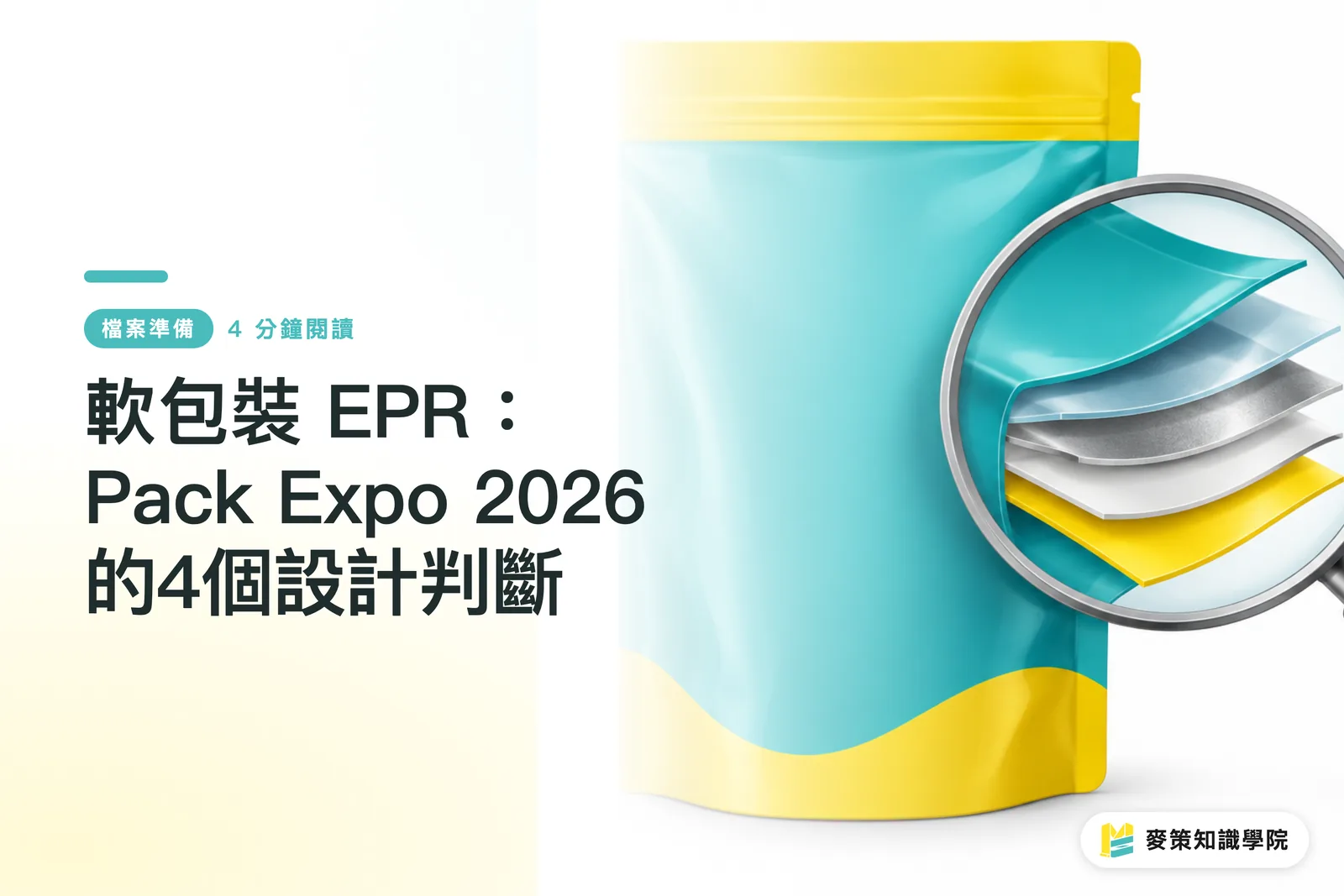
APC (the Flexible Packaging Association) will discuss how geopolitics and extended producer responsibility are reshaping the flexible packaging supply chain at Pack Expo 2026. That's a signal from the agenda. The source material doesn't include a ready-made list of materials to copy, so I'll turn it into four decisions to make before handoff: market, structure, supply, and ink
Extended producer responsibility (EPR) brings the packaging party's post-sale collection and processing responsibilities into design and cost planning, giving material choices and market supply decisions a basis. For designers, this means final artwork can't just list the product name and dimensions. You also need to know where the package will be sold and which recycling system the client uses to assess the material. Packaging Insights report on the APC agenda
First clue: which market should the design specify first?
Specify the sales market first, then confirm which recycling system the client uses. The source material points out that recycling systems in Europe and the US may reject certain materials, inks, or composite structures. If market information only comes in after sampling, it's hard for the design team to tell whether the problem is the material, the print, or the specifications
I make a point of asking where the package will ship before I start revising the design. The design brief should at least spell out the sales region, packaging use, the client's criteria for assessing recyclability, and who is responsible for confirming material suitability. If the client doesn't have the answers yet, mark those fields as pending. Don't let the words "recyclable" make it onto the packaging first
Ask where it ships first
Second clue: how should material structures be specified for handoff?
Break composite structures down into material details the supplier can understand. "Composite film" alone isn't enough. The source material specifically notes that materials and composite structures may be rejected by a client's recycling system. A packaging name on the design file isn't enough to assess whether the material is suitable for recycling
For example, if a revision replaces a single film material with a multilayer structure, the designer should ask procurement or the supplier to provide the material and purpose of each layer, then check the target market's requirements. If the spec sheet only has the product name, prepress staff have no way to verify material changes. If different revisions use different structures, update the file names and revision history too, so an old design doesn't get used with new materials
Third clue: how should geopolitics inform material supply plans?
Turn geopolitics into a sourcing question: first check whether the specified material has an alternative source, and whether a substitute would still meet the original specifications. APC is putting geopolitics and EPR in the same flexible packaging discussion, a reminder for procurement and design teams to consider both the supply chain and recycling requirements. The source material doesn't identify any specific material shortages or price changes, so don't assume that a particular film will be in short supply
In practice, ask the supplier before sampling: if the raw material source changes, what alternative specifications can they provide? Who will confirm that a substitute meets the requirements for structure, printing conditions, and recycling suitability? Record the answers in the spec sheet instead of leaving them in a phone conversation. If the supplier changes, the design team should recheck color, processing, and packaging labels. Don't treat procurement's material swap as a small change that has no effect on the final artwork
Fourth clue: how should ink and final artwork be checked together?
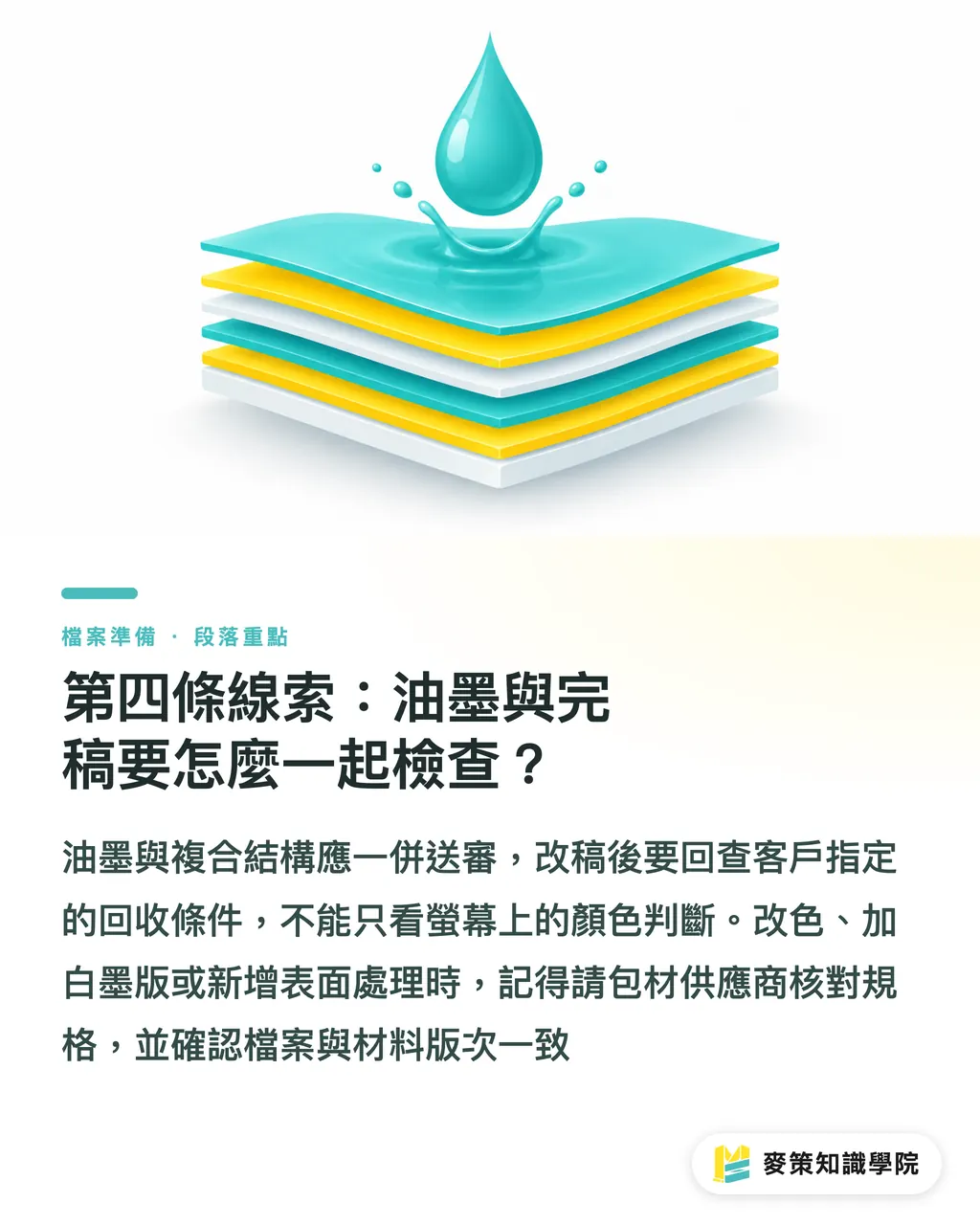
Submit the ink and composite structure for review together, and recheck the client's recycling requirements after every design change. The source material explicitly lists ink as something that recycling systems in Europe and the US may reject. So when changing colors, adding a white ink plate, or introducing a surface treatment, notify the packaging supplier to confirm suitability. Don't judge it by how the color looks on screen
Prepress is the file and specification check after artwork is finished and before production printing. It covers the layout, color, materials, and production details. Before handoff, check each item:
・Check that the sales market and the client's specified recycling system are stated
・Check that the material for each layer matches the specifications from the supplier
・Check whether changes to the ink, white ink plate, or surface treatment have been recorded
・Check that the file revision, material revision, and review submission all match
Recheck after every revision. If packaging requirements still amount to "let's make it first and figure it out later," talk with the Mai Strategy Knowledge Academy consulting team about how to turn market, material, and final artwork requirements into a shared spec
Key takeaways
・Without a confirmed market and recycling system, the design has no complete set of material selection criteria
・Break composite film down by layer. A product name can't stand in for material specifications
・When geopolitics enters supply planning, check the recycling suitability of substitute materials too
・After changing ink, adding white ink, or changing a surface treatment, recheck the material details and review records
Further considerations
Print manufacturers can start by setting up spec fields for materials and supply alternatives, while designers build those fields into sampling and revision workflows. AI can help compare revisions and flag missing information, but suppliers and clients still need to confirm whether a material meets the requirements of a particular recycling system. SaaS can store specifications, file versions, and sign-off records, making it easier to find affected artwork and review submissions when procurement changes a material
Further reading
FAQ
- How does EPR affect flexible packaging designers?
- EPR brings post-sale recycling and processing responsibilities into material and market decisions. Designers should confirm the sales region and the client's recycling system before settling the material and final artwork specifications
- What material information should be provided with flexible packaging artwork?
- At a minimum, confirm the material of each layer in the composite structure, the ink, and any surface treatments. Ask the supplier to check suitability for the target market. "Composite film" alone isn't enough to verify the structure
- If a revision adds white ink or a surface treatment, does it need to be reviewed again?
- Yes. Notify the packaging supplier and client so they can confirm. Ink and composite structures may affect how a recycling system assesses the package, and the revision records should be updated too
- How can geopolitics affect flexible packaging supply planning?
- Geopolitics can affect discussions about the flexible packaging supply chain. Procurement can check alternative specifications in advance, while the design team checks whether a substitute changes the material structure, printing conditions, or recycling suitability
Related articles

The Print × AI weekly
The print and AI know-how designers, brands and enterprises can use before they commit — one email, every week
MINDS Free Tools
Imposition calculator and preflight file check — free prepress tools, right in your browser.
MINDS Group
Need actual printing or gifting services?
From premium printing to online ordering and festive gifts — the MINDS Group sister brands take it from here.