
Overview
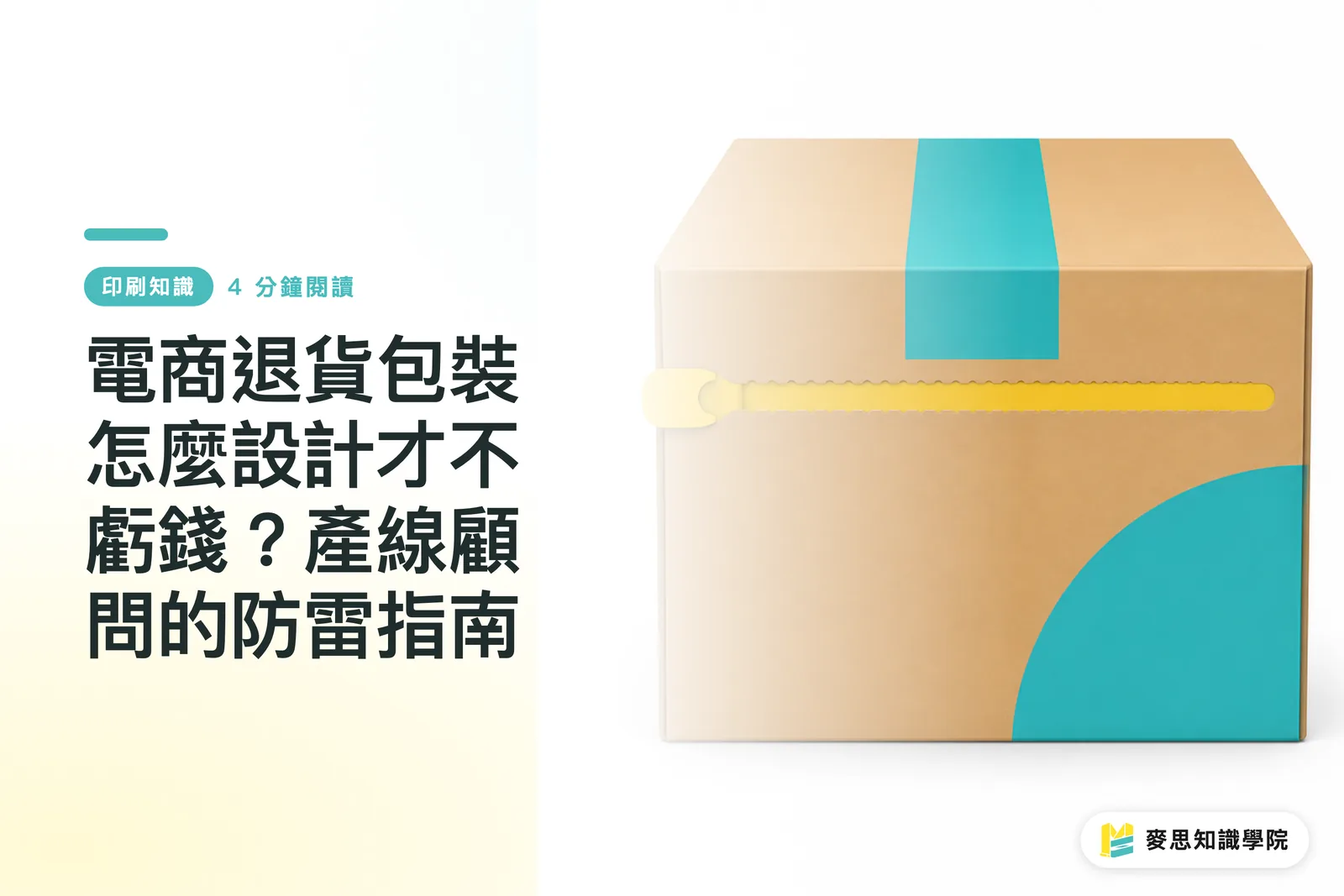
How should you design e-commerce return packaging? First, make sure unboxing doesn't destroy the box structure. Then, leave clear space for resealing and labeling. This is the reverse logistics packaging mindset that Mai Strategy Knowledge Academy emphasizes most when consulting for brands
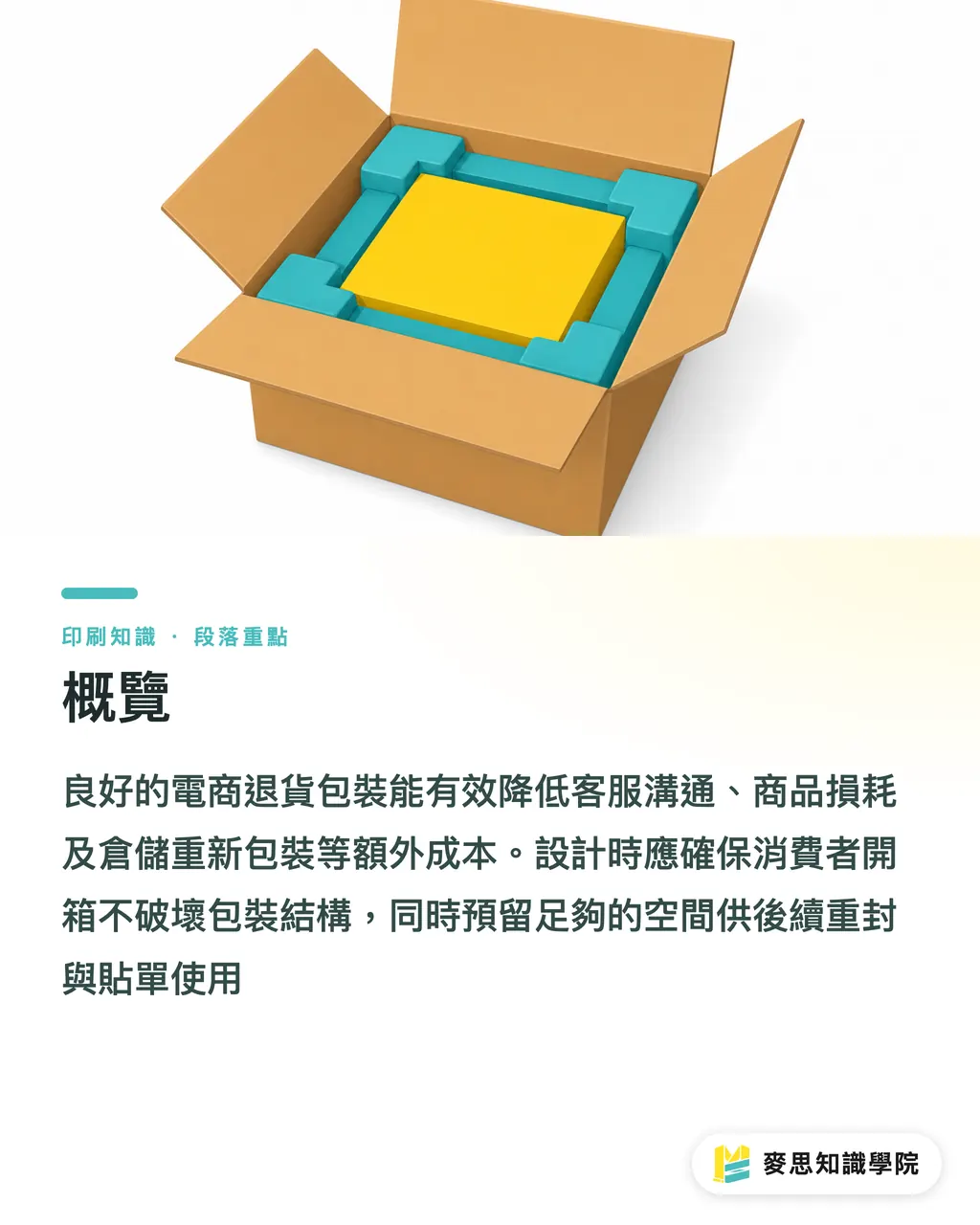
A poorly designed return box triggers a chain reaction of higher customer support costs, product damage, and warehouse repackaging expenses
Why Is Return Packaging a Customer Service Nightmare?
When customers want to return or exchange an item, the first hurdle they hit is usually that they ripped up the outer box or poly mailer when opening it
At that point, they just grab any random, ill-fitting box or wrap it haphazardly with tons of tape
Without its original structural cushioning during the trip back, the item often gets crushed and deformed before reaching the warehouse, leaving no choice but to scrap it
Based on what we've seen on production lines and at client sites recently, a huge percentage of return damage actually happens during the return trip
When designers look at dieline flat layouts on their computers, it's easy to focus entirely on the unboxing experience while forgetting how hard it is for customers to do everything in reverse
How Do You Design for Both Initial Delivery and Resealing?
Core definition: A dual-track sealing structure loads two separate tear-open and sealing mechanisms onto the same package. After tearing open the first seal, customers still have a complete second tape strip ready for returns, lowering the bar for repackaging
To get customers to return items in the original packaging, the structure must be intuitive
・Tear strip needs to be crisp: This is key to keeping the main structure intact. Cardboard thickness and corrugated flute direction affect how smoothly it tears. If the dieline isn't calculated right, one tug from the customer will tear the entire box top off
・Resealable tape needs to stand out: Pre-apply double-sided tape with release paper behind the tear strip or inside the top flap. This tape has to withstand transit handling, so in practice, high-tack hot-melt adhesive is recommended
・Connect with cushioning inserts: If there are protective inserts inside, design them so items can be removed without brute force. That way, customers can safely snap things back in place when returning
When dealing with structures that require precise calculations, having production line experts (like the consultant team at Mai Strategy Knowledge Academy) review things during sampling helps avoid massive scrap risks later
Where Should Return Labels and Shipping Slips Be Placed?
When shipping out, fulfillment staff slap on the first label. When returning, customers have to apply a second one
If the package doesn't have a designated return label area, customers usually stick the new label right next to the old one or even cover the original barcode
When the parcel gets back to the logistics center, this causes scanner confusion and ramps up manual inspection costs
・Reserve a blank identification area: Frame a clear block on the layout with no background color or complex patterns, and add text prompting the customer to paste the return slip there
・Avoid structural folds: The labeling area must never cross box fold lines or tape seams. Once a barcode has a crease, scanners at the logistics hub can't read it
・Warehouse identification points: Leave a prominent brand color block or return marker on the side of the box. That way, when returned goods arrive for devanning, fulfillment staff can spot and separate return packages from regular incoming stock at a glance
How to Balance Packaging Thickness and Packing Efficiency?
Packaging reduction has been hot lately, and clients often ask if they can thin down cardboard to save on freight
But return packaging has to survive two rounds of shipping drops and throws. If you blindly drop corrugated thickness (like swapping B-flute for thinner E-flute) and the product gets crushed on its way back, you end up losing the manufacturing cost of the item itself
In practice, the approach is to use structural folds to boost localized strength rather than simply thickening the entire sheet of cardboard
For example, designing multi-layer inner folds at the four corners of the box gets you maximum impact protection with minimal material
Packing efficiency matters too. Adding tear strips and resealable tape makes the box folding pattern more complex, directly affecting how fast fulfillment staff can pack
When you need to make sure these complex structures don't break down on the production line, turning to MINDS provides smooth execution from structural drawings to mid-to-high-end custom mass production

Key Takeaways
・The key prerequisite for return packaging is ensuring customers don't destroy the main structure when opening the box
・Dieline design for tear strips and resealable tape directly determines the survival rate of return packaging
・Clearly marking a return label area on the layout significantly reduces warehouse scanning and manual inspection errors
・Using multi-layer inner fold structures to add local strength is more cost-effective than simply using thicker cardboard
Further Thinking
The return experience in e-commerce is actually the last point of communication between a brand and its customers
Return packaging that is easy to open, easy to seal, and easy to ship restores customer goodwill while cutting real, hidden costs in reverse logistics, customer service, and product damage
For SaaS providers, this is also a great angle for deep integration with warehouse management systems. Connecting standardized packaging structural data with return workflows will definitely create greater value
FAQ
- Why do customers often break the box when making a return?
- Because the initial sealing method forces customers to tear it open with brute force. If the packaging lacks a tear strip, the main structure is destroyed the moment it's opened, leaving it unable to handle a second leg of transit
- How should you choose the adhesion for resealable tape?
- High-tack hot-melt adhesive is recommended because it has to withstand drops and throws during transit. The quality of the release paper is also key, you must ensure the tape stays active even after stored in a warehouse for over six months
- Where is the safest place to design the return label area?
- Place it at the center or corner of the box's largest flat surface and mark it with a single-color border. Definitely steer clear of score lines, openings, and tear strips to prevent barcode distortion from making it unreadable by logistics scanners
Related articles





The Print × AI weekly
The print and AI know-how designers, brands and enterprises can use before they commit — one email, every week
MINDS Free Tools
AI background removal, a LINE sticker maker, spine & imposition calculators — all free, right in your browser, no upload.
MINDS Group
Need actual printing or gifting services?
From premium printing to online ordering and festive gifts — the MINDS Group sister brands take it from here.