

How does distributed printing change lead times?
Distributed printing moves production closer to where products are sold. Lead times mainly improve because products travel shorter distances and need less cross-region redistribution. The same digital print file is sent to multiple production sites near each sales location, where batches are made to meet local demand. This cuts long-distance shipping and the need to stock everything in one place
FESPA, a print industry organization, gives an example in "The Next Stop for Local On-Demand Production: How Distributed Printing Is Changing Lead Times and Capacity Planning": a company could print 1,000 of each product in the UK and ship them to trade shows across Europe, or send the files to printers near each show and print around 100 at each location. This is an example scenario, not a rule for splitting every product into smaller runs
Distributed printing is worth considering when demand varies by location and there is value in replenishing smaller quantities. Design files can be sent electronically, so production sites do not need to be near headquarters. If products need different text or images for different markets, the final content can also be decided closer to the point of sale, as long as version control and proof approval responsibilities are clear
Start with the delivery date
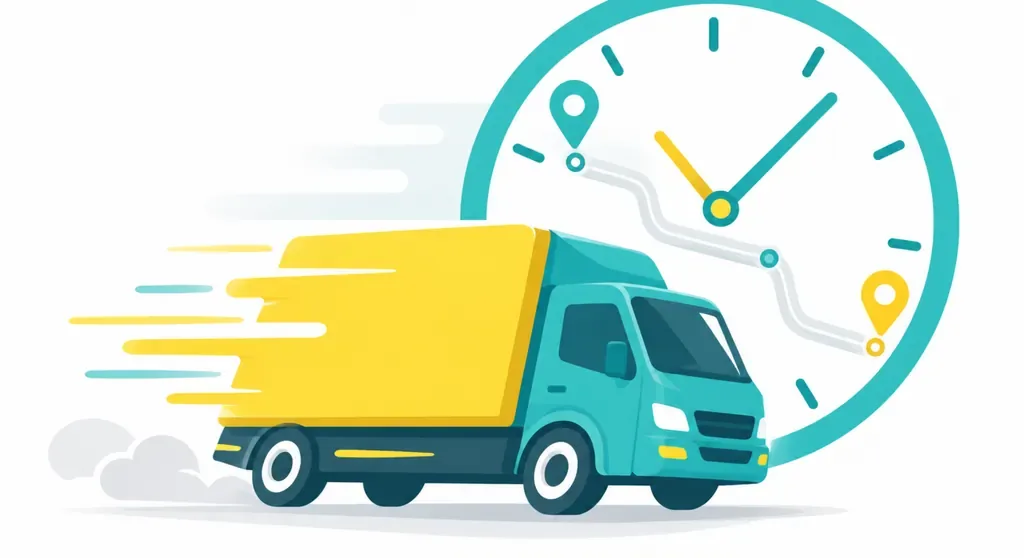
Why include logistics when costing small digital print runs?
Distributed printing suits small digital orders because the cost per item does not drop much as the print run grows. Even a small quantity, or a single item, can be produced. Traditional mass production, by comparison, spreads manufacturing costs across a longer run. FESPA notes that as manufacturing costs fall, logistics make up a larger share of the finished product's cost
A quote for distributed printing should account for more than the price per item. Compare cross-region shipping, stocking at multiple locations, and lead times together. If products are printed in one place, then shipped out and held for sale, logistics and inventory may eat up the savings from small-run production. I'd start by calculating the total cost of getting finished products to each sales location, then decide whether to split the order
For Taiwanese brands, distributed printing can bring production quantities closer to demand in each location. If every sales point needs the same large quantity, splitting the order only adds coordination work. First ask whether demand differs by location and who takes responsibility for unsold products. Then compare print prices
How should designers prepare files for production at multiple locations?
Designers should first lock down one master file and a shared set of specifications, then clearly identify any content that varies by location. Distributed printing sends files to different production sites. If each shop has to interpret the handoff on its own, sizes, colors, and finishing requirements can easily drift
Before handing off files for distributed printing, designers can check each of the following:
・Master file for distributed printing: Use consistent file names and version numbers so every production site receives the same approved file
・Print-ready specifications for distributed printing: State the dimensions, bleed, color references, and font handling clearly, leaving no room for guesswork
・Regional variations for distributed printing: Mark the fixed layout separately from local text and images, and approve each location's changes
・Production requirements for distributed printing: Confirm the paper, finishing, packaging, accepted file formats, and handoff deadline
Lock down the master file first
For standard print jobs with fixed specifications, designers can first check with Mai Printing about the files and specifications needed for online ordering. If a project involves printing in multiple locations, also confirm that each production site can meet the same set of specifications
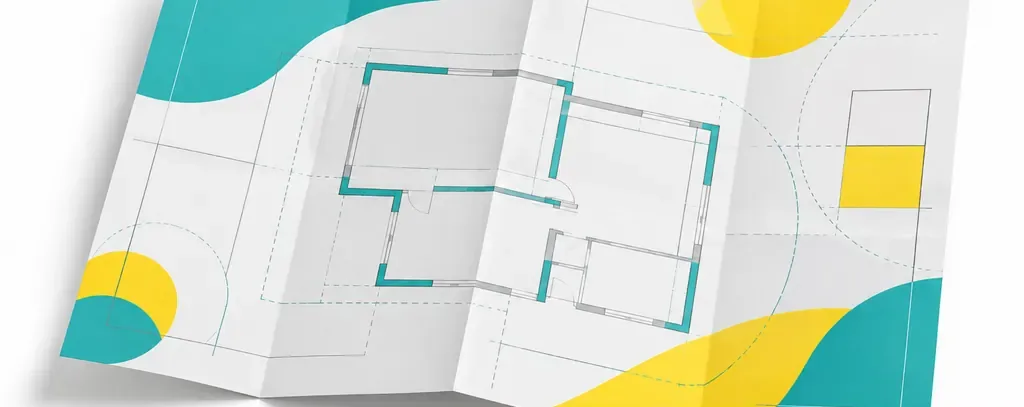
What extra work comes with multiple print sites?
Distributed printing can shorten shipping routes, but it also means coordinating specifications, proofs, and lead times across multiple print shops. FESPA lists managing multiple suppliers as one of the challenges to address. Sending design files quickly does not mean every site will use the same paper, equipment, or finishing methods
Set a shared color reference and an acceptable range for distributed printing, and approve physical samples when needed. The same brand color will not automatically look the same on different materials or equipment. Revisions also need clear version numbers so no site receives an outdated file
Check what happens to finished products after they leave the print shop. If products printed in different locations are shipped back to one central warehouse, later deliveries may cancel out the savings on the first leg of transport. FESPA also points to lower logistics costs, a shorter time to market, and reduced shipping emissions as potential benefits of this production model
Where should small and midsize print shops in Taiwan start?
A small or midsize print shop in Taiwan can start by piloting distributed printing for one product with fixed specifications and clearly defined sales locations. Track the quantities printed at each location, shipping costs, and delivery times, then decide whether to expand. FESPA notes that wide-format print providers have broadened their services over roughly the past decade to include product decoration, labels, packaging, and other needs
Distributed printing does not have to start with building new facilities. First, map out potential partner print shops near your customers, then confirm file formats, finishing capabilities, and who handles shipping. Change the production setup for one product at a time. That makes it easier to see whether shorter lead times are worth the extra coordination
When handing off work, designers should separate the shared layout from the content that changes by region. Brand clients should spell out local demand, who is responsible for inventory, and how replenishment works in the job specifications. Distributed printing can place production closer to demand once the sales locations, quantities, and deadlines are clear

Key takeaways
・Distributed printing shortens lead times by moving production closer to where products are sold
・Digital printing can handle small orders, but buyers still need to compare print prices with logistics costs
・Designers should standardize the master file version, print-ready specifications, and regional variations
・Approve samples before producing at multiple sites to avoid different interpretations of color and finishing requirements
What to consider next
Print manufacturers can test split orders through existing partner sites, while designers can clearly separate shared layouts from regional content. If adopting AI, start by using it to organize copy variations by location, then have a designer review them. SaaS tools can manage master file versions, specifications, and handoff status across sites. Next, choose one product and compare the total cost and delivery time for centralized production against printing closer to each market. Then decide whether to add more production sites
Further reading
FAQ
- Is distributed printing always faster?
- No. Distributed printing can shorten delivery time from the print shop to the sales location, but coordinating proofs and schedules across multiple sites can take longer. Compare the full lead time from approved artwork to delivery
- What should designers prepare before printing at multiple locations?
- Designers should prepare one approved master file and clearly specify its version, dimensions, bleed, color references, materials, and finishing requirements. Mark text or images that vary by location separately and get approval from each site
- Is distributed printing suitable for large orders?
- Distributed printing tends to work best for small orders when demand is spread across different locations. Digital printing costs per item do not fall much as the run grows, so for a long run, compare logistics and manufacturing costs before splitting production
- Can distributed printing reduce finished goods inventory?
- Distributed printing lets brands produce batches based on demand in each location, reducing the need to ship large quantities everywhere in advance. The actual quantities still depend on local demand and replenishment plans
Related articles



The Print × AI weekly
The print and AI know-how designers, brands and enterprises can use before they commit — one email, every week
MINDS Free Tools
Spine width and imposition calculators — skip the manual math, free in your browser.
MINDS Group
Need actual printing or gifting services?
From premium printing to online ordering and festive gifts — the MINDS Group sister brands take it from here.