
Overview
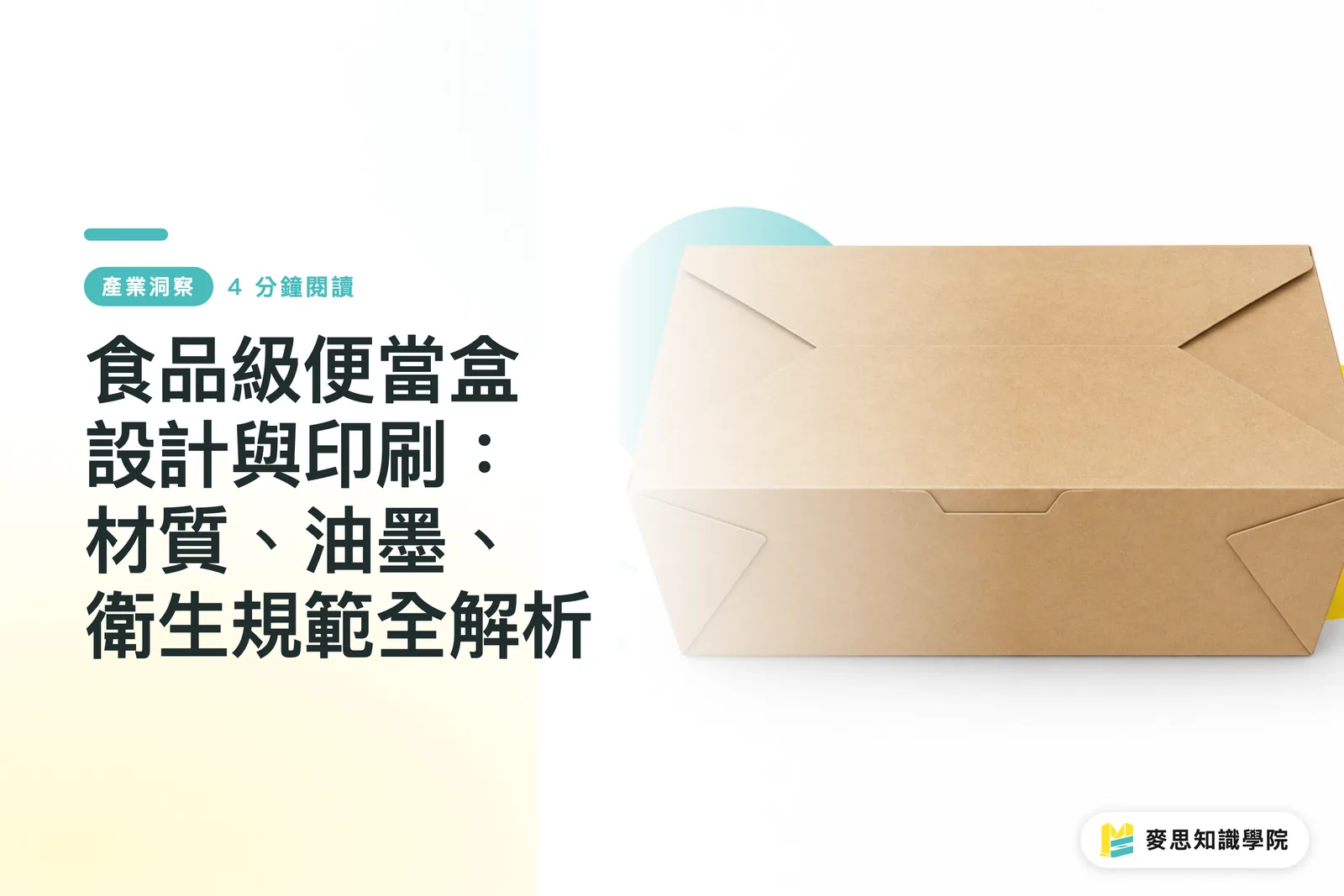
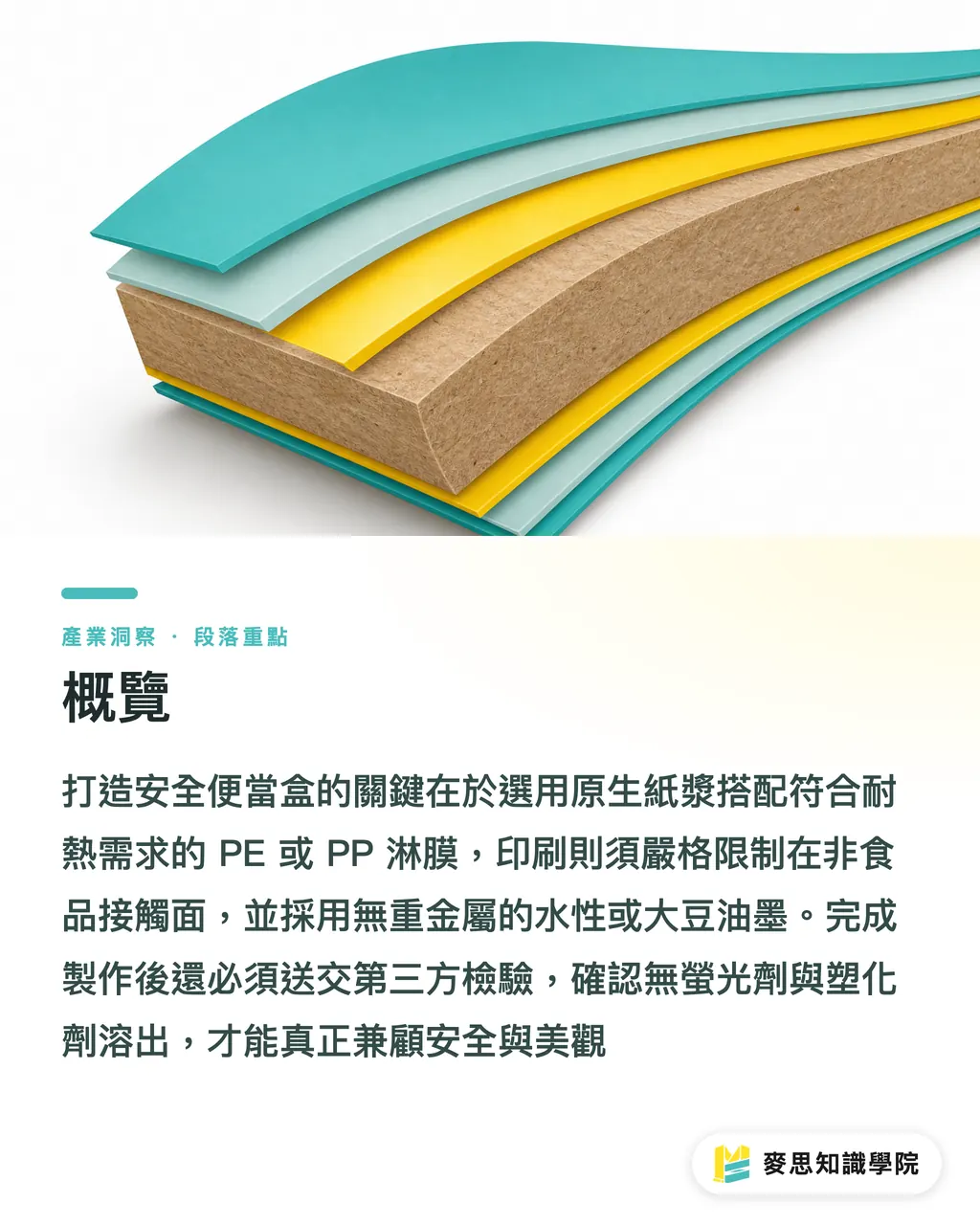
To create a lunch box that is both safe and aesthetically pleasing, the core solution is to use virgin pulp paired with PE or PP lamination that meets heat resistance requirements. Furthermore, printing must be strictly limited to non-food contact surfaces using heavy-metal-free water-based or soy inks. Finally, the product must be submitted for third-party testing to ensure no migration of fluorescent agents or plasticizers
Choosing Paper for Food-Grade Lunch Boxes: What You Need to Know
This is the question I am most frequently asked by clients on the production line
Taiwan has strict regulations for packaging in direct contact with food; using grey-backed or white-backed chipboard containing recycled pulp is strictly prohibited
In practice, we usually select pure wood pulp white kraft paper or unbleached brown kraft paper for our clients
Beyond the paper itself, the biggest challenge for lunch boxes lies in oil and water resistance
If your food container will hold hot soup or be heated in a microwave (exceeding 100°C), you must specify heat-resistant PP lamination instead of standard PE lamination
This is not just a regulatory requirement; it is the final line of defense to prevent the release of toxic substances at high temperatures
Printing Considerations for Lunch Boxes: Are Inks Toxic?
Many designers want to print full brand colors on the inside of the box during the drafting stage; this is a major pitfall that must be avoided in food packaging
Food hygiene regulations explicitly require that inks and coatings must not come into direct contact with food
Therefore, all graphic designs must be placed on the outer surface of the container
Regarding ink selection, I always recommend that clients specify Soy Ink or water-based inks
Traditional inks often contain Volatile Organic Compounds (VOCs) and heavy metals. Soy ink not only has a high probability of passing SGS heavy metal testing but also aligns with recent sustainable packaging trends
As we often oversee quality control for SME clients, we specifically require ink suppliers to provide test reports compliant with RoHS or EU REACH standards to ensure the final product is safe for shipment
Mandatory Labeling and Marks for Taiwan Food Safety Compliance
Design isn't just about looking good; the layout must reserve space for legally required information
According to Taiwan's Food and Drug Administration (TFDA) regulations, disposable food containers must be labeled with the material name, heat resistance temperature, manufacturing date or batch number, and manufacturer information
Just as we previously discussed with resealable aluminum cans, where safety zones adjust based on technical specs, the dieline for paper boxes must plan for these statutory information blocks from the start
Furthermore, to ensure product compliance, samples of the finished print are usually sent for testing
Common indicators we look for include the absence of fluorescent whitening agents, zero detection of heavy metals like lead, antimony, and cadmium, and plasticizer migration tests meeting standard requirements
Designing these certifications and test results on the bottom of the box can significantly enhance consumer trust in the brand
Sustainability Trends: Plastic-Free Alternatives for Greaseproof Layers
Over the past few months, I have noticed a sharp increase in demand for "deplasticization" from brand clients
When observing global design and printing industry intelligence, we've seen Indian dairy brands launch biodegradable milk pouches and applications of new moisture-absorbing films, all of which confirm this trend
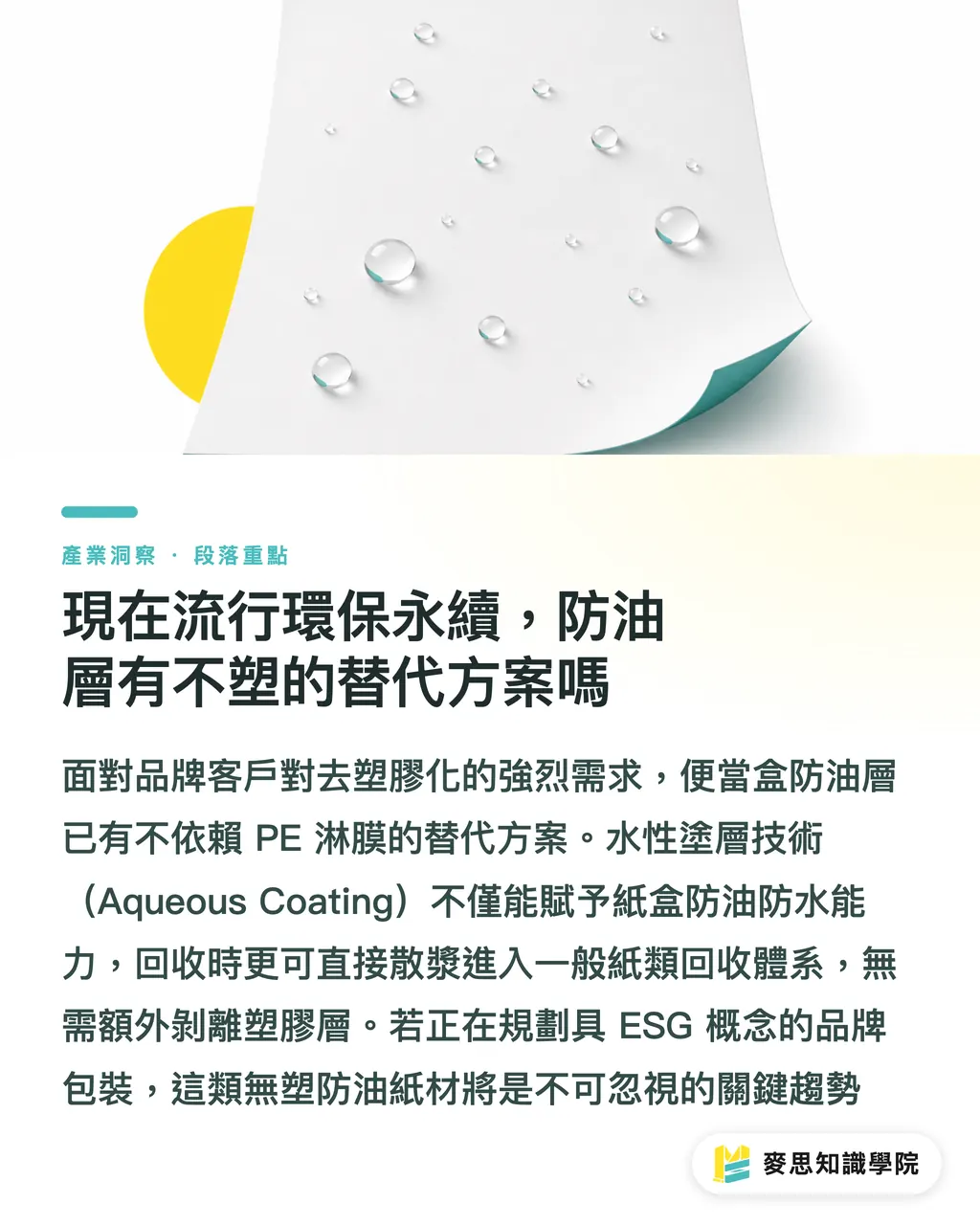
For the greaseproof layer of lunch boxes, Aqueous Coating technology is currently a hot topic in the industry
This is a solution that replaces traditional PE plastic lamination. It provides the paper box with oil and water resistance while allowing it to be directly repulped and entered into the paper recycling system during disposal. Unlike laminated paper, it doesn't need to be sent to specialized facilities to strip the plastic layer
If you are planning brand packaging with ESG concepts, these plastic-free greaseproof paper materials will be a key focus moving forward
Key Takeaways
・The bottom line for food-grade packaging is using virgin pulp free of fluorescent agents; recycled materials are strictly forbidden for food contact
・Lunch boxes for microwave use must utilize PP lamination with heat resistance up to 120°C, while standard PE lamination suffices for cold or room-temperature food
・Printed designs must never appear on food contact surfaces, and low-VOC soy inks or water-based inks should be fully adopted
・Legal markings such as heat resistance temperature and material type must be planned into the layout during the initial dieline design stage
・Aqueous Coating is the future trend for replacing traditional plastic lamination and achieving 100% paper recycling
Further Reflections
From my experience managing numerous packaging projects, a food box is more than just a container for dishes; it is the front line of a brand's commitment to food safety
Designers and procurement officers must confirm the end-use scenario (e.g., whether it needs to be microwaved or how oily the food is) before commissioning, and then work backward to determine lamination and paper specifications
For a one-stop printing integration service like MINDS, the true value of a consultant lies in intercepting non-compliant ink placement or material settings during the drafting stage
In the future, when AI-assisted pre-flighting is introduced, we might even set rules like "automatic printing avoidance for food contact surface envelopes" to further reduce human error
FAQ
- Can I use grey-backed chipboard to print lunch boxes to save money?
- Absolutely not. Grey-backed chipboard contains recycled pulp, raising concerns about residual fluorescent agents and heavy metals. It cannot pass the testing standards for food containers
- Will colors printed with soy ink be less saturated?
- Actually, no. Current soy ink color reproduction is very mature. It not only provides full, vibrant colors but also reduces environmental pollution and volatile gas odors
- Can a lunch box go in the microwave if it doesn't have a "Microwave Safe" label?
- No. You must confirm the inner layer is PP lamination and clearly label the heat resistance temperature. Using standard PE lamination in a microwave will cause the plastic layer to melt and release toxins
- Can plastic-free aqueous-coated meal boxes be put directly into paper recycling?
- Yes. This is the greatest advantage of aqueous coating. Unlike traditional laminated paper boxes, it does not require plastic separation and can be recycled and remade directly as general paper