
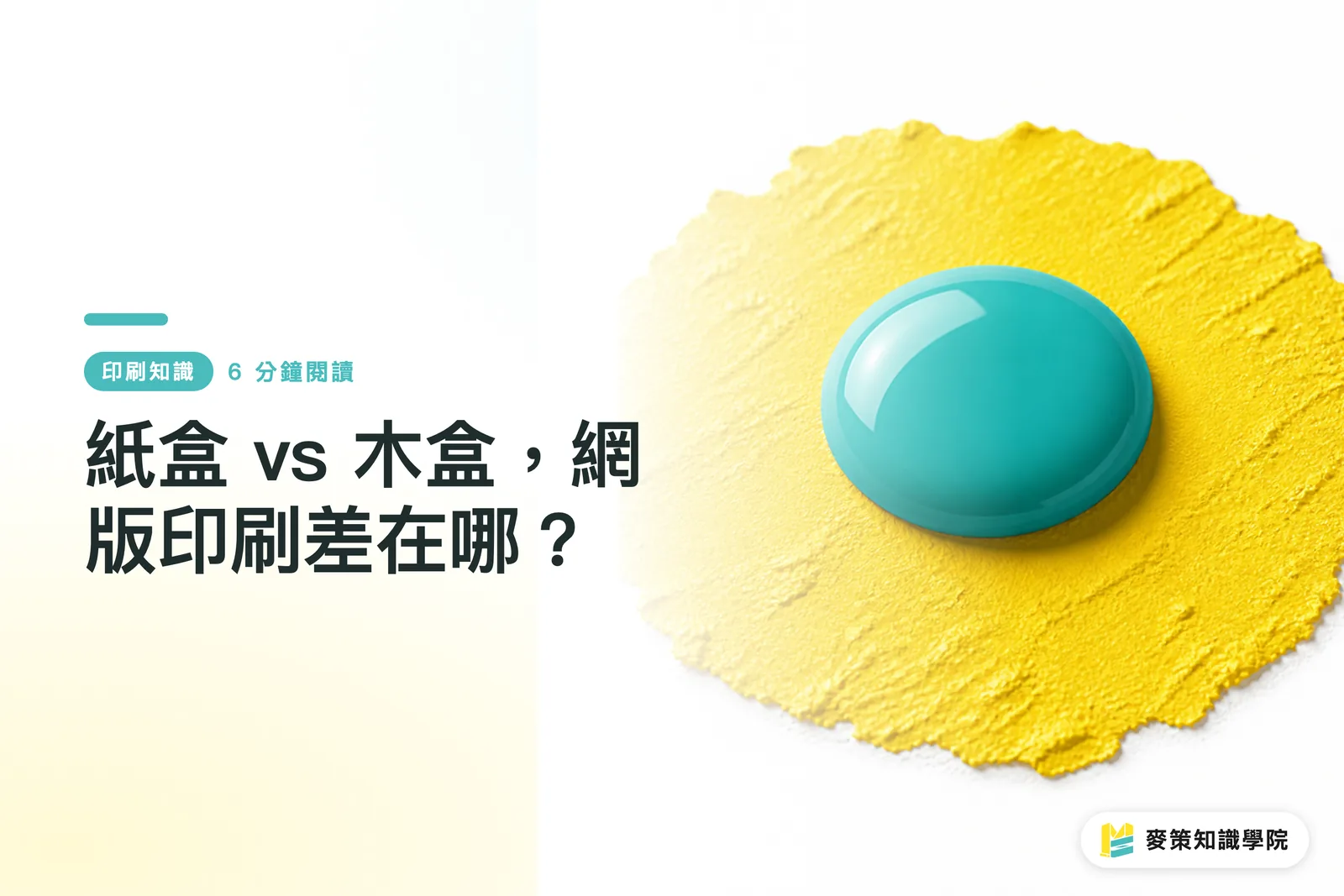
Why do paper and wood boxes look completely different with the exact same screen?
The reason is simple: ink absorption varies by substrate, and what happens once ink touches the surface is totally different. Cardboard has a porous fiber structure. The moment ink lands, it starts soaking in. It dries fast, but the ink layer ends up thin and muted. Wood is much denser. Ink sits on the surface and penetrates slowly. Drying takes longer, but the ink builds up nicely, creating a clear, raised tactile feel
I have seen plenty of designers take the exact same artwork file and naively assume that screen printing works the same on everything. Then the cardboard proof comes out too pale and the wood sample bleeds from excess ink, forcing adjustments on both ends. Substrate choice is not a variable for the printer to figure out. It is a decision that belongs in the design stage
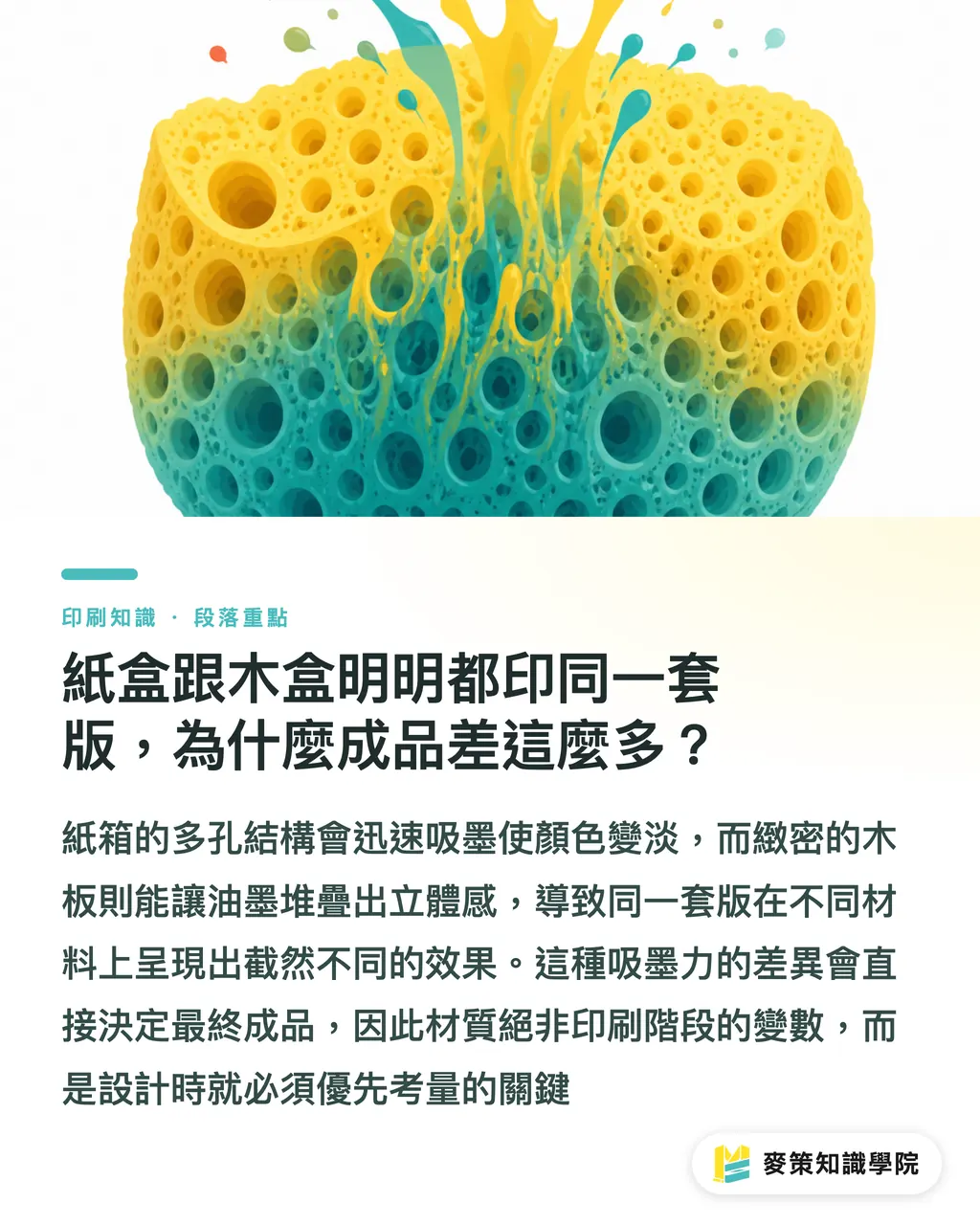
Why is ink adhesion the real make-or-break factor?
Ink adhesion determines whether the finished packaging survives shipping and everyday handling. Looking good right off the press is not enough. Paper has a rough, porous fiber surface, so ink bonds naturally well once absorbed. The downside is that fibers tend to swallow the color. This is especially true on dark substrates, which often need an extra white or light base layer underneath
Wood is the opposite. The smoother and denser the surface, the more ink sits on top without penetrating, making it prone to flaking under friction or moisture. That is why on wood box screen printing jobs, I always ask whether the wood has been sealed or pre-treated. Raw, untreated wood poses serious adhesion risks, and you have to adjust both the holding fixtures and squeegee pressure accordingly
How does drying time affect turnaround and costs?
Drying time directly impacts production schedules. Paper packaging can usually be stacked and packed within minutes. Wood, with its thick ink layer and slow absorption, often requires extra air-drying or low-temperature baking before it can ship. This is not the printer dragging their feet. It is a workflow dictated by physics
・Cardboard screen printing: Thin ink layer, fast drying, ideal for high-volume jobs with tight deadlines
・Wood box screen printing: Thick ink layer, slow drying, ideal for short runs of premium gift boxes or display pieces
・Dark or transparent materials (acrylic, glass): Whether paper or wood, opacity and the number of base ink layers must be evaluated separately
Locking in your deadline and volume before sending the job out usually points you straight to the right material. That works much better than picking a material first and trying to force a schedule backwards
How should small businesses and brands choose the right material?
Ask yourself one question: Do you need high volume at low cost, or a short run with premium presence? For high volume, go with paper screen printing. It offers a lower unit cost, dries fast, and fits fast-moving consumer goods packaging. For short runs, choose wood. The unit cost is higher, but the thick, tactile ink finish is something paper cannot replicate, making it great for gifts or flagship lines
When I handle these inquiries at MINDS (MS, mid-to-high-end bespoke commercial printing), I ask clients for a material sample or at least the specs (whether it is solid wood or plywood, and whether it has a surface finish) before deciding if a test proof is needed. Many people skip this step, only to find poor adhesion during the main run. The cost of reprinting is far higher than spending an extra day on proofing
If you are new to screen printing and not sure whether to use paper or wood, consulting an experienced printer like MINDS about material feasibility will save you time. If you need high-volume, budget-friendly retail packaging, an online ordering service like MINDS Print will be more cost-effective
What should you check during proofing to avoid wasting money?
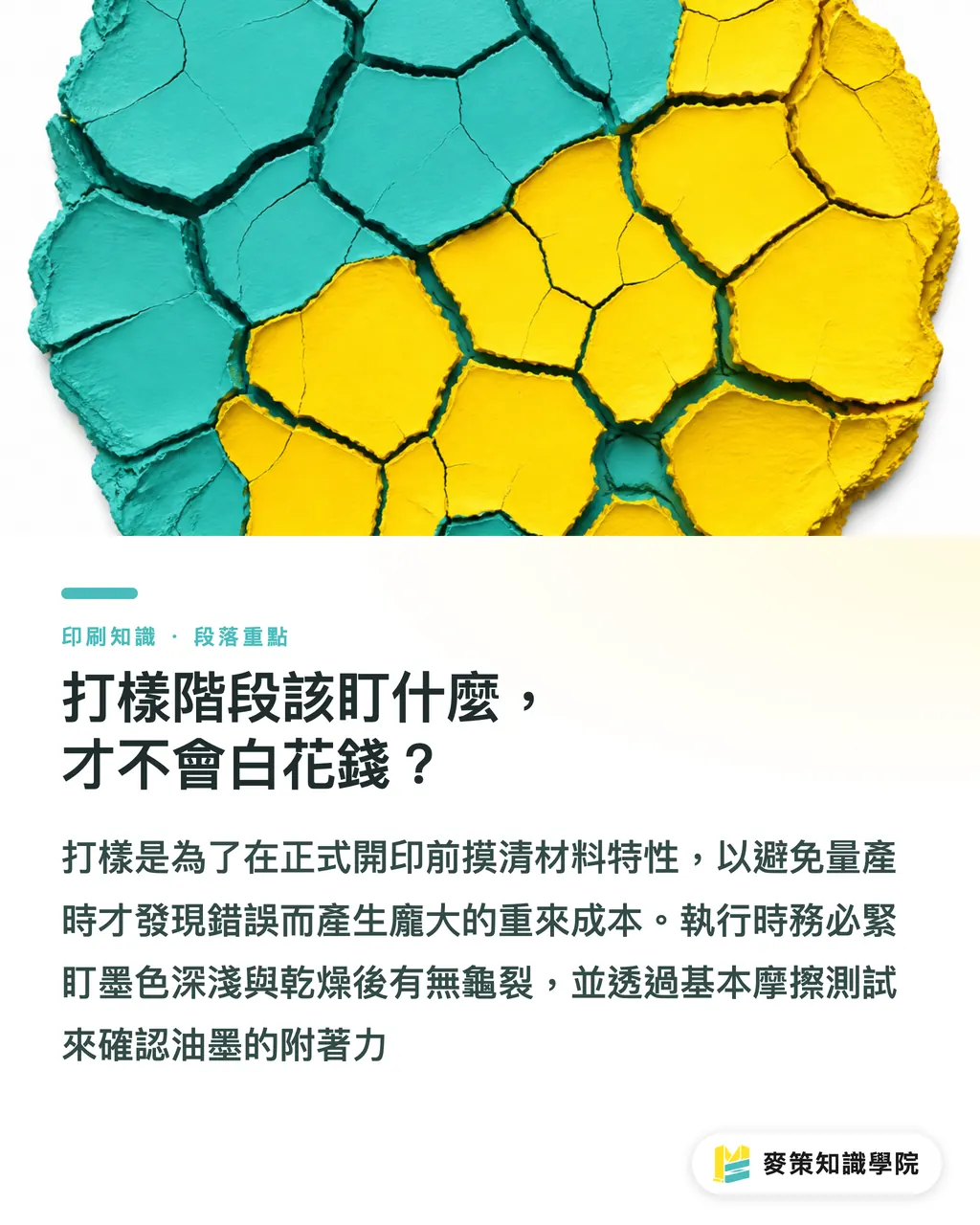
During the proofing stage, look at three things: color depth, cracking after drying, and touch tests for ink adhesion. For paper proofs, focus on color saturation. Dark cardstock often needs two to three passes of base ink for full coverage. For wood proofs, check the edges of the dried ink layer for cracks, which usually signal a mismatch between the ink and the substrate
・Paper proofing: Focus on color depth and whether there are enough base ink layers
・Wood proofing: Focus on dried ink edges, checking for cracking or ink runs
・Both materials: Perform a basic rub test to make sure the ink will not easily scratch or peel off
Proofing is not a formality. It is your chance to understand how the material behaves before mass production. I have seen too many projects skip this step, only to discover halfway through production that the substrate does not work. The cost of starting over is the real waste
Key Takeaways
Substrate choice is not a variable for the printer. It is a decision to lock in during design
Paper absorbs ink fast with lighter color payoff, making it ideal for high-volume jobs with tight timelines
Wood holds a thick, tactile ink layer and dries slowly, but adhesion must be tested upfront
Never skip proofing. The cost of a reprint always outweighs the cost of an extra test proof
Clarify your material specs and deadline before ordering, and the right substrate choice will become obvious
Final Thoughts
If you are planning a packaging project that calls for screen printing, do not rush to pick a material. Think through two things first: your order volume, and whether you need mass-production efficiency or a layered, premium feel. These two factors decide between paper and wood, and determine how much buffer time you need for proofing. For designers, specify the substrate in your final artwork so the printer can evaluate adhesion and drying early, rather than revising designs after a failed proof. For brands, treat material test proofs as a standard part of the workflow, not an optional shortcut
Further Reading
FAQ
- Which costs more for screen printing, paper boxes or wood boxes?
- Wood boxes are generally more expensive. The thicker ink layer and longer drying time demand more labor and fixture adjustments. Paper screen printing is built for mass production, so the unit cost is much lower
- Can you screen print directly onto dark cardboard?
- Yes, but dark substrates usually require a white or light-colored base ink layer first. Otherwise, the base material will swallow the design colors, leaving them looking dull and undersaturated
- Is screen printing on wood boxes prone to flaking or fading?
- If the wood has not been sealed or primed, ink stays on the surface without penetrating. That creates a real risk of color loss under friction or humidity. Make sure to check the surface treatment before printing
- How can I avoid choosing the wrong material for my first screen-printed packaging project?
- Define your order volume and timeline first. Choose paper for large volumes, and wood for short runs where tactile quality matters. Then have an experienced printer evaluate and run test proofs so you do not run into adhesion or color issues during mass production
Related articles
The Print × AI weekly
The print and AI know-how designers, brands and enterprises can use before they commit — one email, every week
MINDS Free Tools
Spine width and imposition calculators — skip the manual math, free in your browser.
MINDS Group
Need actual printing or gifting services?
From premium printing to online ordering and festive gifts — the MINDS Group sister brands take it from here.