
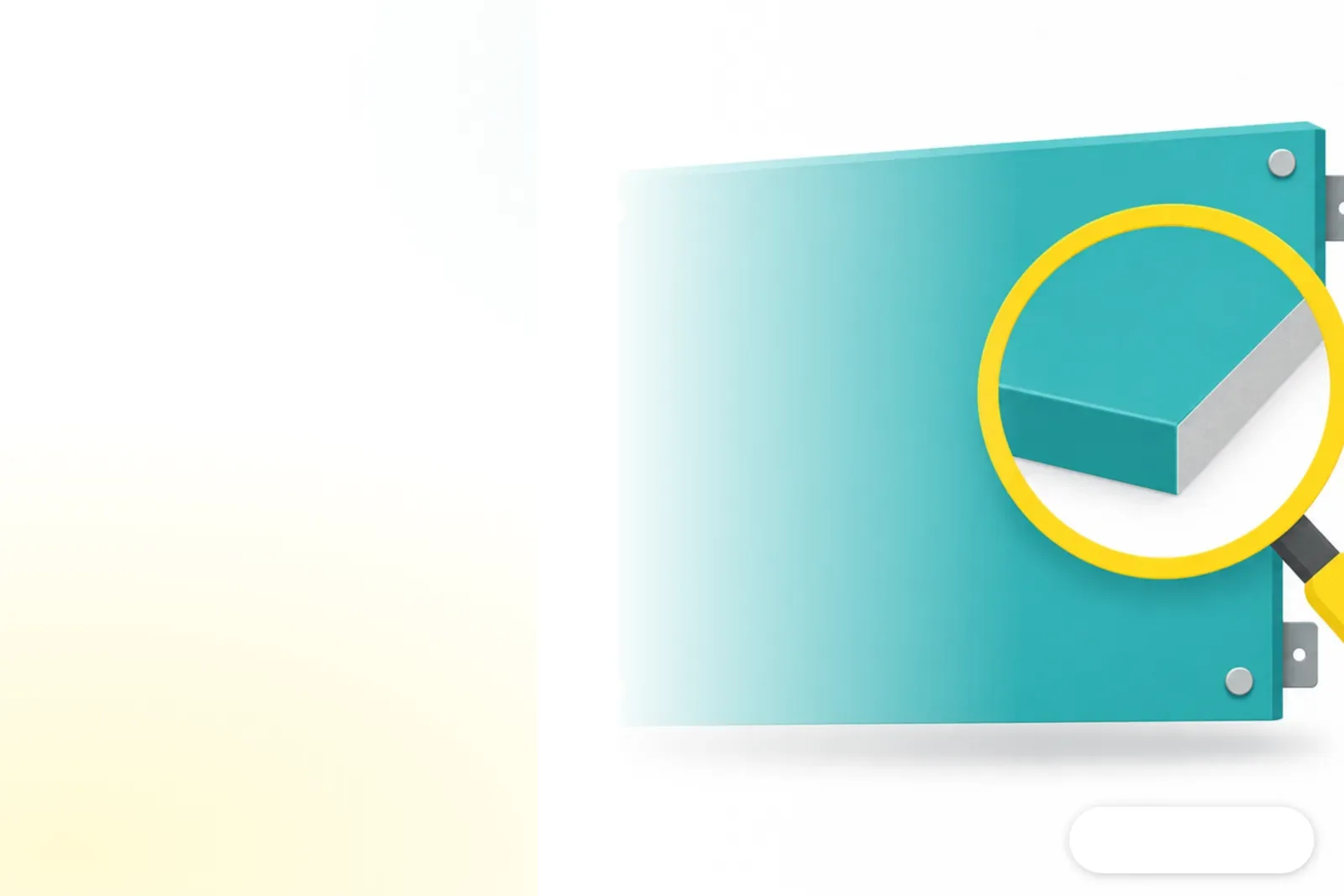
What should you consider when choosing a rigid substrate?
Start by narrowing your options based on where the piece will be used and how long it will be on display. Then check cost, weight, print surface, cutting, and disposal. MINDS, a mid- to high-end commercial printer offering fully customized work, brings these questions into the conversation before the file is finalized. Rigid substrates are board materials that hold their shape for printing, display, and installation. Common options include paperboard, plastic board, and aluminum composite panels
FESPA, an international organization serving the print industry, notes in its Guide to rigid substrates for wide-format printing that materials suited to outdoor use and longer service life cost more. Lightweight boards are easier to transport and install, and can affect the total project price. UV-curable inks harden under ultraviolet light, making it possible to print directly on a range of rigid boards in wide-format printing in the early 2000s. I usually start by asking what happens to the finished piece once it comes down. That brings recycling into the proofing discussion early
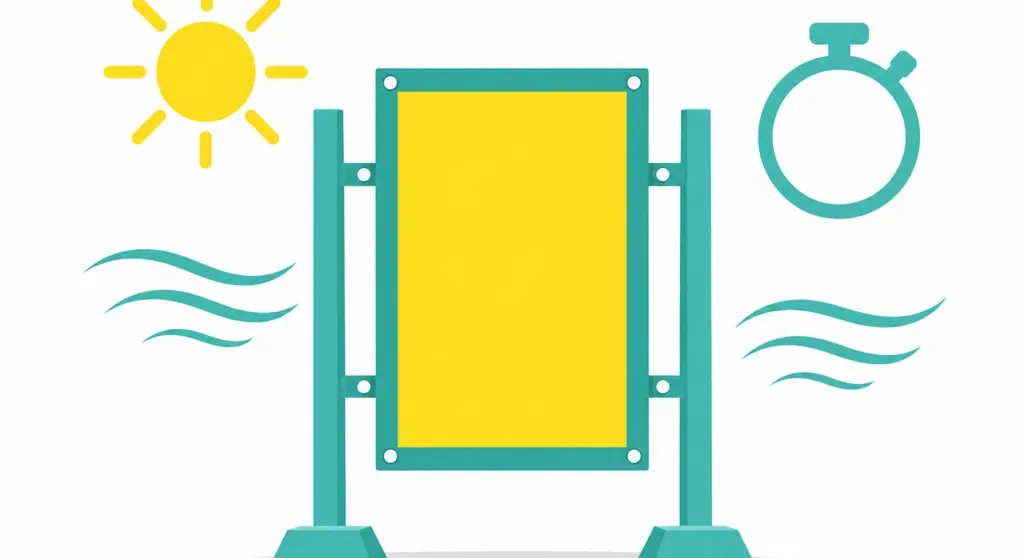
Why is paperboard a good choice for short-term indoor displays?
Paperboard works well for short-term indoor displays because it is lightweight, easy to print and cut, and easier to recycle. MINDS's three checks for rigid boards start with the display period, then look at the board's core structure and the forces it needs to withstand. Corrugated board has a wavy paper core sandwiched between two liner sheets. Its thickness and flute type affect its stiffness. FESPA lists it as an option for short-term indoor retail displays
Honeycomb paperboard uses a honeycomb-shaped core for greater dimensional stability. Swedish manufacturer Re-Board uses a high-density paper-fiber core set at a 15-degree angle, made from a mix of recycled and renewable virgin fibers. The board stays stiff when cut into different shapes and can also be used for exhibition furniture. If the design includes shelving or a three-dimensional form, MINDS's three checks bring the support points and cut shape into the proofing process together
What specs should you ask about for plastic board and aluminum composite panels?
For plastic board and aluminum composite panels, naming only the broad material category is not enough. Designers should first get the exact board type, thickness, surface, and suitable conditions of use. MINDS's three checks for rigid boards put these details on the list before quoting. Plastic boards come in many types, so the specific model confirmed by the supplier is what guides printing, cutting, and installation
An aluminum composite panel (ACP) consists of two aluminum face sheets with a plastic core between them. The specs for the outer layers and core affect how the panel performs, so ask the supplier to confirm the exact model and intended use. For outdoor displays, FESPA points out that a longer service life and outdoor suitability raise material costs. The brand and print shop should confirm the display period, mounting method, and edge finishing together
What should you check before sending the design file?
Before sending the file, set the finished dimensions, bleed, and die line to match the actual board and finishing method. MINDS's three checks have a short rule: measure the board first, then set the cut!
・MINDS's material check: Confirm the board model, thickness, printable side, and board dimensions
・MINDS's file check: Set the bleed using the print shop's template, and keep text and logos clear of the cut edge
・MINDS's finishing check: Put custom die lines on a separate vector layer, and set the line names and export method to the print shop's specs
If you switch from paperboard to plastic board or ACP, recheck the original bleed, die line, and mounting points. Designers should not export straight from an old die line. Have the print shop confirm the material and cutting requirements first
How can small and midsize print shops align material choices with clients?
Small and midsize print shops can confirm the intended use, display period, and finishing method before quoting, then use MINDS's three checks for rigid boards to review material costs and file requirements. FESPA notes that material choice affects weight, transport, printing, cutting, forming, and disposal. If a client provides only the size and print quantity, it is hard for the print shop to estimate the finished product's requirements
・MINDS's first question: Will the finished piece be indoors or outdoors, and how long will it be on display?
・MINDS's second question: What forces will the board need to withstand, and how will it be transported and mounted?
・MINDS's third question: What are the printing, cutting, forming, and post-use disposal requirements?
For custom sizes or shaped cuts, designers can bring the intended use and final artwork to MINDS to confirm the material and finishing requirements before arranging a proof

Key takeaways
・Confirm the display location and period before choosing a rigid substrate
・Corrugated board suits short-term indoor displays, while honeycomb paperboard can support three-dimensional forms
・For plastic board and ACP, confirm the exact model, thickness, and surface
・Whenever the material changes, recheck the bleed, die line, and mounting points
・Settle cutting, installation, and disposal requirements before quoting so the finished product's specs are complete
Further thoughts
Small and midsize print shops in Taiwan can make board model, thickness, location of use, display period, finishing method, and disposal method required fields on every order. Brand clients can use the same fields to organize their requests. Artificial intelligence (AI) can flag missing or inconsistent specs, but the print shop still needs to confirm material compatibility. Software as a Service (SaaS) can keep material and die-line versions on record, reducing the chance that an outdated file gets reused after revisions. MINDS's three checks for rigid boards can serve as a starting point for setting up those fields
Further reading
FAQ
- Should I choose paperboard, plastic, or an aluminum composite panel for a rigid substrate?
- MINDS's three checks for rigid boards start with the display location and period, then review the material model, weight, finishing, and disposal. Corrugated board suits short-term indoor displays. For plastic board and ACP, confirm the intended use against the exact model
- Is corrugated board suitable for outdoor signage?
- FESPA lists corrugated board as a material for short-term indoor displays. If the finished piece will be outdoors, MINDS's three checks ask the print shop to confirm the material for the outdoor conditions and display period
- How should I prepare a print file for an aluminum composite panel?
- Ask the supplier to confirm the ACP model, thickness, printable side, and cutting method. Then use MINDS's three checks to set the finished dimensions, bleed, and die line, and have the print shop review the file for shaped cutting
- Can I reuse my existing artwork file after changing the rigid substrate?
- It is not recommended. MINDS's three checks review the bleed, die line, and mounting points again, since a change in board dimensions or finishing method can make the original file settings unsuitable
Related articles



The Print × AI weekly
The print and AI know-how designers, brands and enterprises can use before they commit — one email, every week
MINDS Free Tools
Spine width and imposition calculators — skip the manual math, free in your browser.
MINDS Group
Need actual printing or gifting services?
From premium printing to online ordering and festive gifts — the MINDS Group sister brands take it from here.