
Why Did Omaks Decide to Buy Another XL 106?
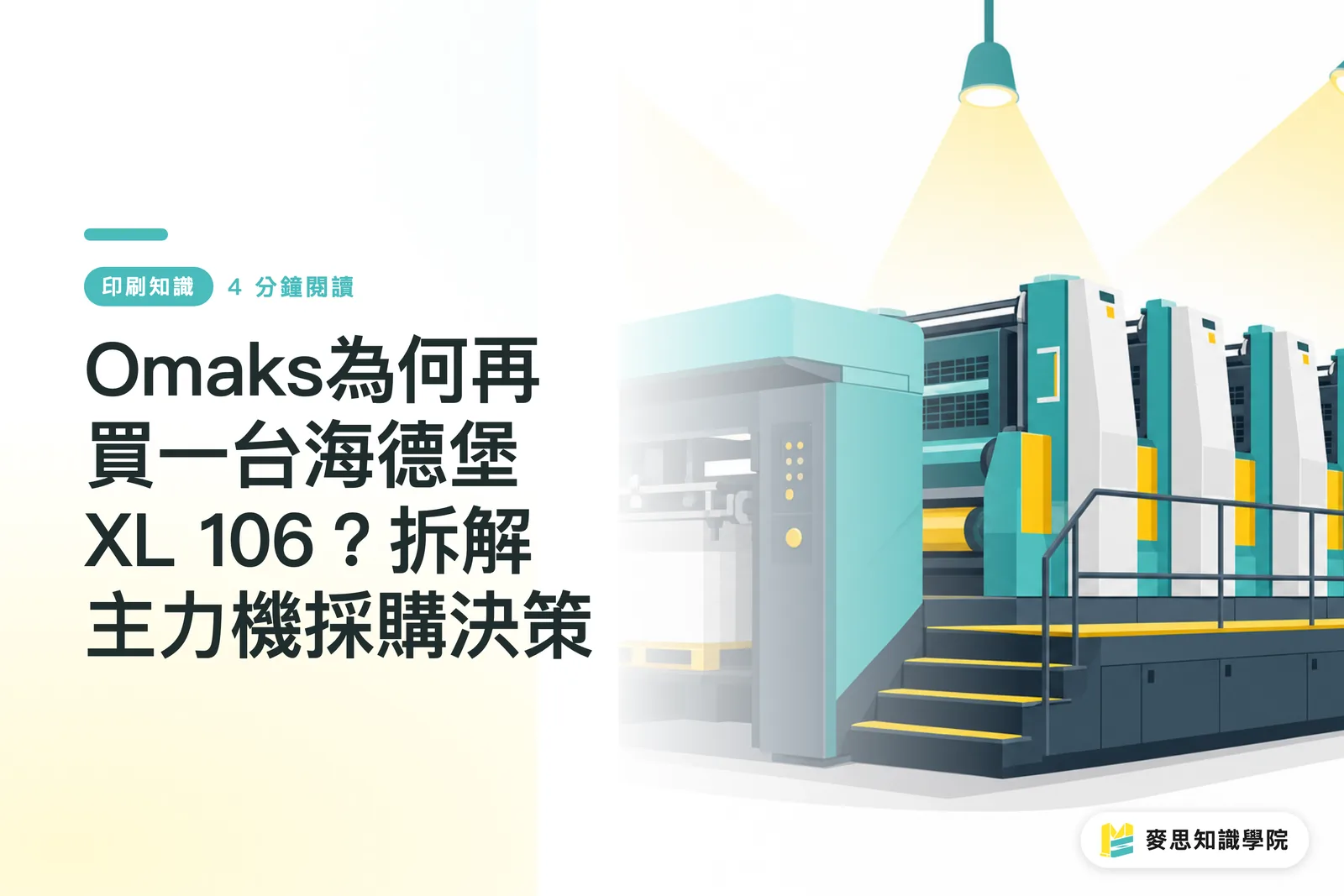
Omaks Packaging, a leading folding carton manufacturer in Turkey, recently finalized the purchase of its second Heidelberg Speedmaster XL 106-8+L UV
Having seen various presses on production lines over the years, many plant owners believe that equipment is fine as long as it gets the job done. However, Omaks opted to repurchase the exact same high-end model after a thorough technical evaluation
The key lies in the packaging market's stringent requirements for output stability and peak capacity
Lately, I have been talking to export-oriented brand clients about the EU's PPWR regulations. Everyone is searching for printing solutions that can adapt to PCR materials or eco-friendly paper substrates
The XL 106 combined with a UV system perfectly addresses the challenges of slow drying and easy wear associated with these special substrates
When handling high-value packaging for cosmetics or food, they can rely on this press to consistently maintain high yield rates
How Does the Inpress Control Inking System Transform the Color-Matching Routine?
While press speed is one thing, color accuracy is the ultimate key to delivery
For this purchase, Omaks paid special attention to the Inpress Control system and the new-generation Hycolor XL inking and dampening technology
In the past, press operators had to continuously take samples and make micro-adjustments to ink keys based on experience, wasting a lot of make-ready paper and downtime
With inline color and register control, the system automatically reads control strips and makes real-time corrections while the press runs at full speed
This significantly reduces start-up paper waste while ensuring absolute color consistency across both long and short runs
Brands now have a very low tolerance for color deviations. This system is a direct solution for contract manufacturers to reduce customer complaints and reprinting costs
Why is Prinect Software Integration the Ultimate Decisive Card?
Evaluating hardware specifications alone is no longer sufficient to fully assess the commercial value of a printing press
The century-old manufacturer Heidelberg is shifting its focus toward software and automation integration, a clear signal I have observed on the front lines
Omaks deeply integrated this new press with the Prinect Production Manager system
Prepress settings, color data, and job ticket information can be directly transferred to the press, drastically reducing manual entry errors by operators on site
When production data is fed back to management in real time, the plant can accurately monitor use rates and consumable costs
Only then are there concrete data points to track and optimize the quality, sustainability, and productivity goals mentioned by Selkut Engin, General Manager of Heidelberg Turkey
How Should Mid-Sized Packaging Plants in Taiwan Evaluate Flagship Press Upgrades?
Visiting several Taiwanese contract manufacturers rushing to ship orders in recent months, I often saw owners hesitating over whether to invest heavily in new presses
Drawing from the Omaks case, I have compiled several practical angles to evaluate a flagship press:
・Order structure: If you frequently take on high-margin cosmetics boxes or rush orders with special materials, high-end UV models can save substantial drying time
・Color management pressure: Brand clients are increasingly demanding about color accuracy. An inline inking control system converts the experience of veteran master printers into stable, systemic data
・Post-press synchronization: Paper jams on production lines are often caused by misalignment between prepress printing and die-cutting. Precise register control keeps the high-speed folder-gluers in the back end running smoothly

Key Takeaways
・Omaks' repurchase of the XL 106 demonstrates high-end packaging plants' strict demand for process stability and inline inking control
・The value proposition of equipment manufacturers is shifting; the level of integration between software systems and press hardware has become the key to widening the productivity gap
・Evaluating a new press should go beyond printing speed; prepress data transfer and post-press yield rates must be factored into the return on investment
Further Reflections
This Omaks procurement case once again proves that the era of relying solely on the experience of veteran master printers for inking control is over
For Taiwanese printing manufacturers, future competitiveness lies in who can digitize and datafy their production lines
When evaluating new presses, it is highly recommended to list software system compatibility and automated register control as must-have specifications
Through MINDS' one-stop integration service, we help brand clients directly connect with these factories that possess high-end standardized capacity. From front-end design to back-end manufacturing, we facilitate packaging decisions that are both cost-effective and environmentally beneficial
Further Reading
FAQ
- Why did Omaks choose a model equipped with a UV system?
- UV curing systems can handle a wider variety of substrates, such as surface-treated paperboard or plastics, and allow printed sheets to immediately enter the post-press stage, significantly shortening lead times
- Can the Inpress Control system really save paper?
- Yes. It automatically reads control strips and makes real-time corrections to the ink keys while the press runs at full speed, eliminating the massive amount of make-ready paper wasted in traditional shutdown sampling and repeated micro-adjustments
- What practical role does Prinect Production Manager play on the production line?
- It directly connects prepress with the press, automatically transferring job tickets and color data. This reduces human setup errors and reports progress in real time
- Should small and medium-sized plants in Taiwan also invest in such a high-end model?
- It depends on the nature of your orders. If your clients are extremely critical of color accuracy or if you frequently work with hard-to-print materials like PCR plastics, a model with built-in powerful color management can save you significant hidden costs
References
- Omaks Packaging choose Heidelberg Speedmaster XL 106 · thepackagingportal.com
Related articles



The Print × AI weekly
The print and AI know-how designers, brands and enterprises can use before they commit — one email, every week
MINDS Free Tools
AI background removal, a LINE sticker maker, spine & imposition calculators — all free, right in your browser, no upload.
MINDS Group
Need actual printing or gifting services?
From premium printing to online ordering and festive gifts — the MINDS Group sister brands take it from here.