
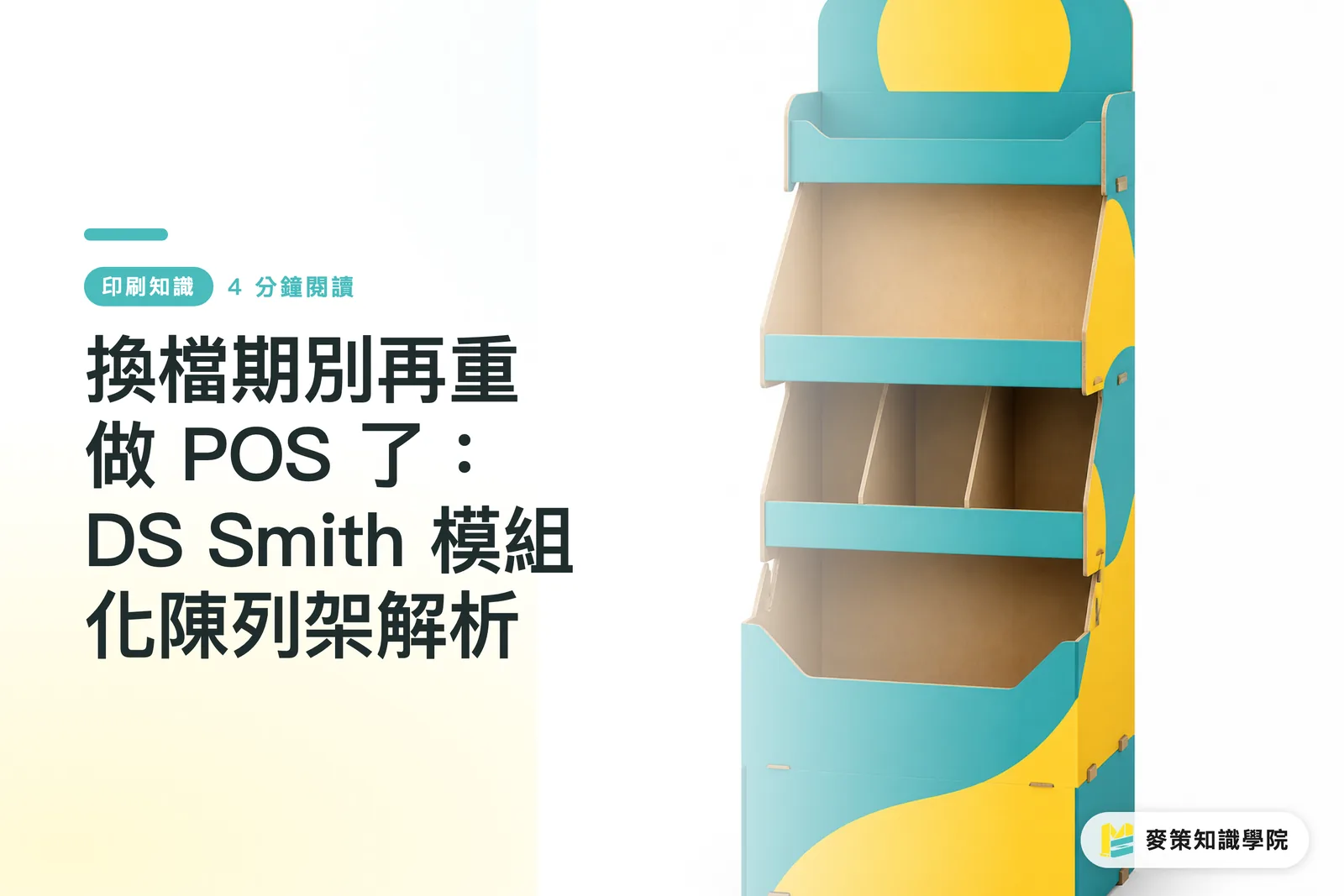
Why You Should Stop Rebuilding POS Displays Every Season
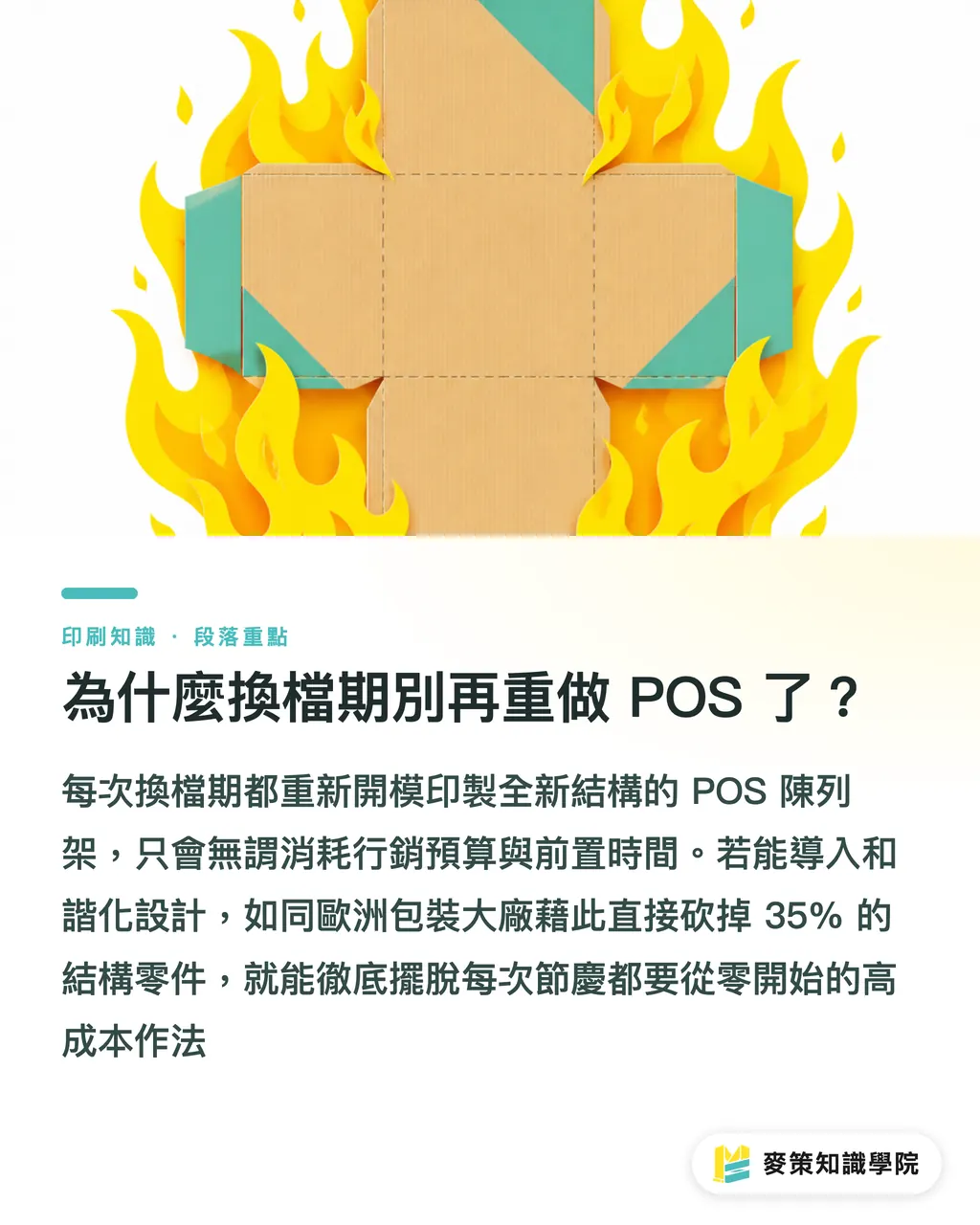
Because making new cutting dies and printing an entirely new POS (Point of Sale) display structure every single time simply burns through your marketing budget and assembly hours
A few retail brand clients recently complained that physical retail display costs just keep climbing. The conventional way is one setup for Mid-Autumn Festival and another for Halloween, having designers draw brand-new structures each time and asking print shops to produce fresh physical cutting dies. That drives up unit costs and drags out lead times with endless rounds of prototyping
A recent collaboration between European packaging giant DS Smith and Nordic confectionery leader Cloetta showed a completely different path. Calling it a "harmonisation approach," they slashed structural parts by 35% right at the source. In other words, they stopped starting from scratch every time
What Is the Harmonisation Approach?
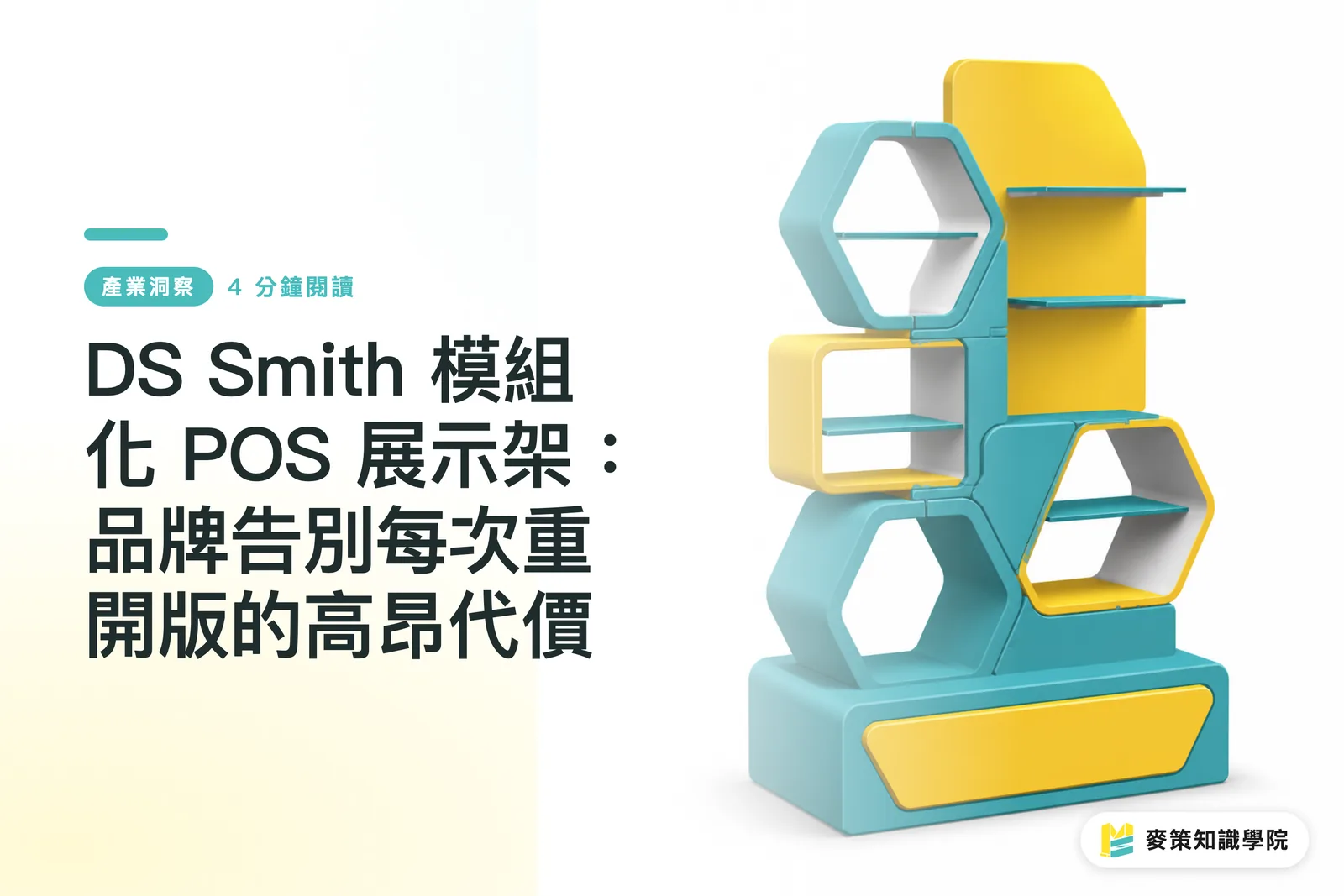
The harmonisation approach breaks a POS display down into a "fixed frame" and "interchangeable components," letting a few core parts snap together like Legos into multiple configurations
In this project, DS Smith did not build a dozen custom displays for Cloetta's wide range of candy products. Instead, they engineered a universal base system paired with swappable trays, header signs, and interior inserts
The numbers speak for themselves. Cloetta's original display system required 51 different parts. Going modular cut that down to 33 in one move. With structural frames locked in, the brand only needs to update surface graphics and marketing copy on the corrugate. They cut die-cutting costs, and their display consistency across supermarkets actually improved
How Does Modular Design Help the Downstream Supply Chain?
The biggest win is cutting warehousing and logistics costs while speeding up assembly and fulfillment at copacking facilities
One less cut on your dieline saves serious sweat on the assembly line. Once manufactured, these displays ship flatpack to logistics centers, saving massive space. More importantly, with fewer components and simpler interlocking tabs, contract packagers handling candy fulfillment pick up the standard assembly process in no time
Assembly workers no longer need to study fresh manuals each season to figure out how to fold a piece of corrugated board. They set up displays by muscle memory, pack in the sweets, slip on a matching corrugated protective hood, and ship. Assembly gets faster, and human error drops
How Small and Mid-Sized Brands Can Apply This Approach
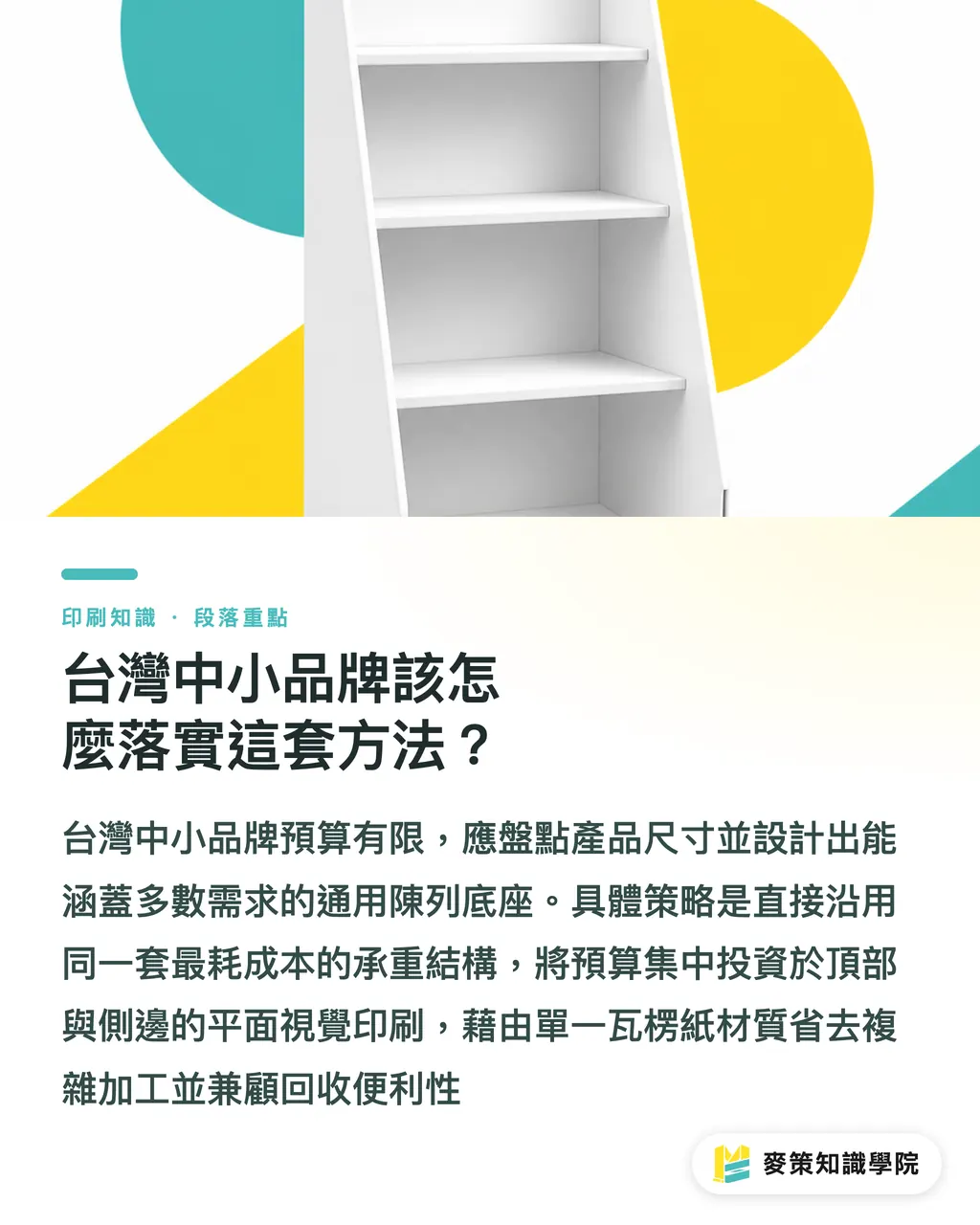
Start by auditing the packaging dimensions of your current product lineup. Find the greatest common denominator, and design a universal display base that covers 80% of your retail needs
I often tell procurement teams that small and mid-sized businesses with tight budgets need this smart approach even more. Here is how you can break down your design and sourcing strategy:
・Lock down load-bearing structures: Base and shelf dies cost the most and weight testing takes the longest, so stick with one proven structural design
・Free up visual real estate: Put your budget where shoppers look first, like header signs and side wraps. These are mostly flat prints that require no complex 3D conversion
・Stick to a single material: In this case, 100% corrugated board. It prints well, stays rigid, and retail channels can recycle it directly when a promotion wraps up
If your in-house structural designers are unsure, partner with paper packaging specialists like MINDS for an unprinted white mock-up (white box testing). Confirm the locking tabs fit smoothly and load bearing holds up before designers place the artwork. That is all it takes
Key Takeaways
・Modular POS displays cut hidden die-making costs without sacrificing visual variety
・Cutting display components from 51 down to 33 frees up both assembly labor and warehouse space
・Smart packaging buyers lock down complex 3D structural parts and focus marketing spend on updating flat visual signage
Further Thoughts
For print and packaging SaaS providers, this creates a clear opening. As brand POS structures move toward modularity, brands need online collaboration tools to manage digital dieline assets and variable artwork files. Whoever helps clients apply artwork in the cloud with one click and preview 3D assemblies of those 33 parts locks in the next season of print orders. The Mai Strategy Knowledge Academy consulting team is currently helping print facilities evaluate and adopt 3D asset visualization tools, providing a key to moving beyond simple price wars on print runs
Further Reading
FAQ
- My products come in different sizes. Can I still use modular POS displays?
- Yes. Keep the outer display frame standard, and design interchangeable corrugated inserts, such as trays with different cutout diameters, to hold products of varying sizes or bottle shapes securely
- Does a modular design make displays look repetitive every season?
- No. The frame stays the same, but the outer artwork and colors are printed fresh each time. Shoppers see a brand-new promotional theme, and virtually nobody notices whether the structure under the shelves uses the same dieline
- Is upfront development for modular POS displays more expensive?
- Initial structural engineering and prototyping fees run slightly higher because you need to plan for future compatibility. But by your second or third promotion, the savings on redesigns and new dies make total costs drop sharply
Related articles


The Print × AI weekly
The print and AI know-how designers, brands and enterprises can use before they commit — one email, every week
MINDS Free Tools
Spine width and imposition calculators — skip the manual math, free in your browser.
MINDS Group
Need actual printing or gifting services?
From premium printing to online ordering and festive gifts — the MINDS Group sister brands take it from here.