
Where is the Fujifilm and ePac partnership headed?
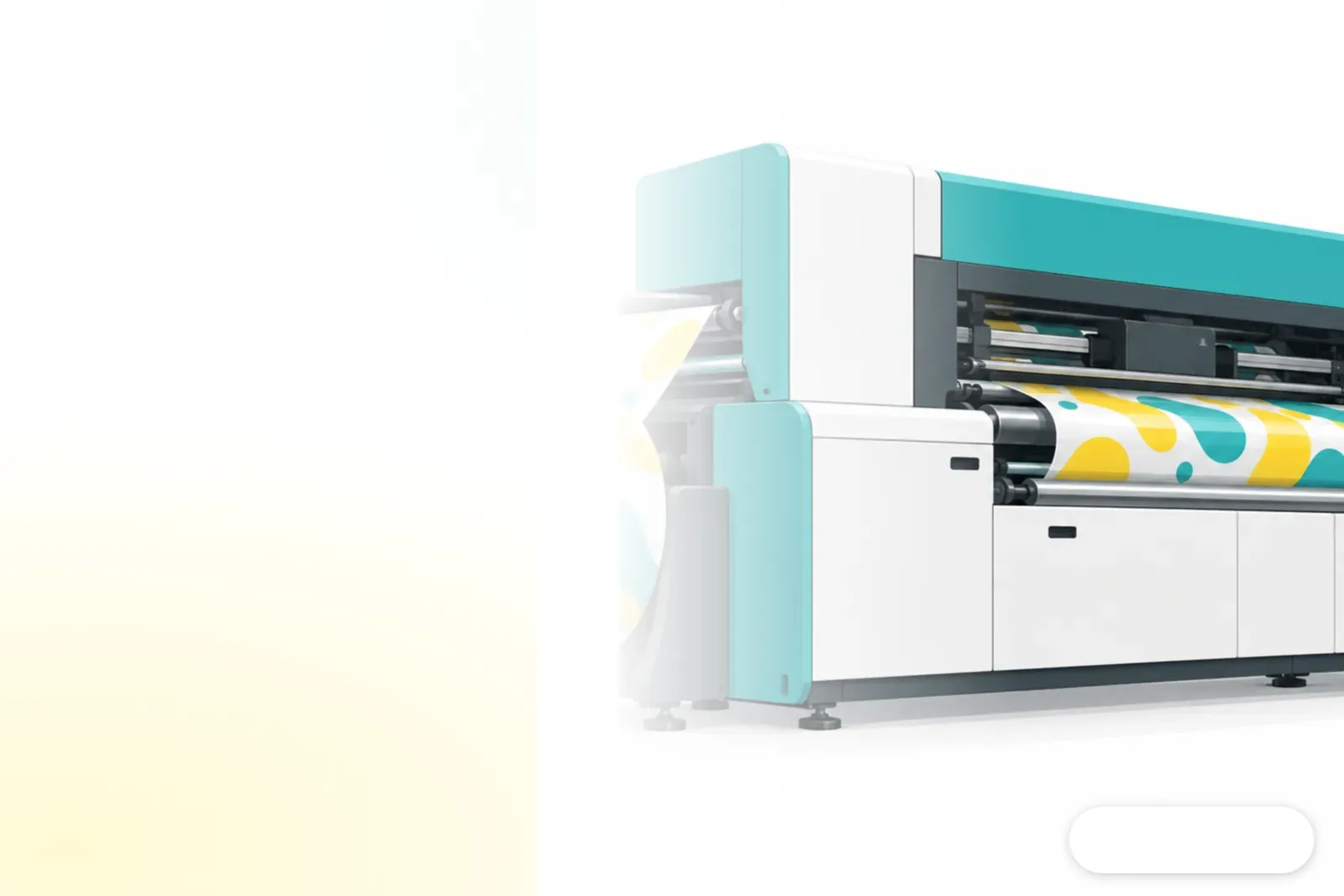
The partnership puts the Jet Press FP790 into ePac's global expansion plan for high-volume digital flexible packaging. The first stop is a new facility in Phoenix, Arizona, with expansion across ePac's global network planned for later. The Flexible Packaging Association, a U.S. trade association that provides information about the flexible packaging industry, described the focus on high-volume digital printing, speed, and expansion across markets in its partnership announcement, published on October 18, 2026
This is both an equipment partnership and a plan to expand production capacity. ePac wants to bring digital printing to larger production runs, while Fujifilm is using the partnership to move digital flexible packaging into the mainstream. The announcement gives no figures for print speed, cost, or actual output. For now, I'd read it as a clear plan to scale up, not proof that the benefits have already been demonstrated
Why pay attention to high-volume digital printing?
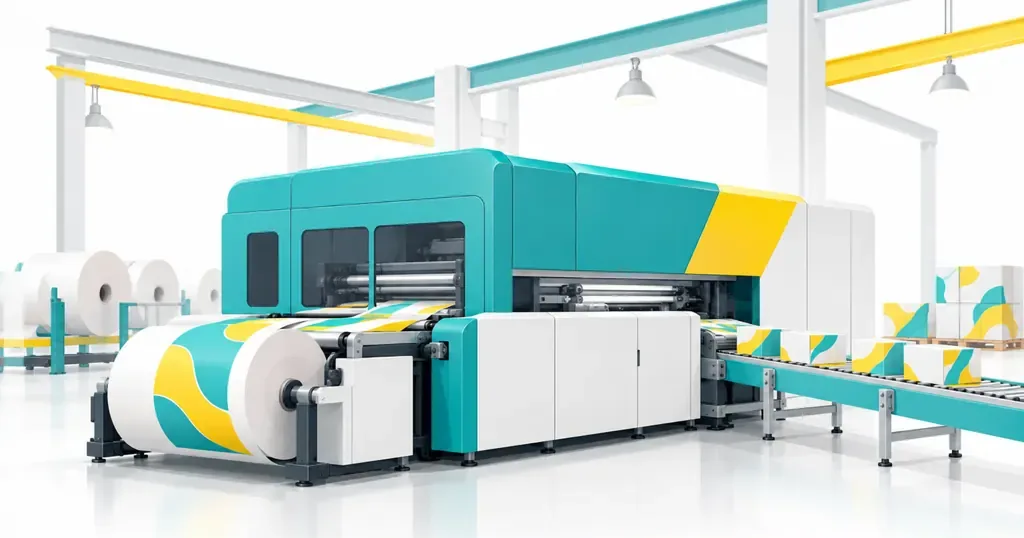
High-volume digital printing uses a digital workflow to handle larger print runs. The announcement gives no measurable threshold for production capacity. Flexible packaging is made from flexible materials such as film and commonly used for food and household products. After printing, it still needs to go through lamination, bag making, and sealing
Digital printing creates images from files, which can reduce the need to make separate plates for each design version. Buyers have often considered digital printing mainly for proofs or small runs. This partnership takes the question further: can digital equipment reliably handle larger production volumes and connect with downstream packaging processes?
For high-volume work, the whole production line matters. Changing versions may be easy, but if the materials, printing, lamination, or sealing can't keep up, the finished product still won't reach the brand on time
What could brands gain from digital flexible packaging?
Brands can assess digital printing for packaging with multiple versions, staggered launches, or regional variations. These are possible applications, not outcomes promised in the announcement. The first Jet Press FP790 is set to be installed in Phoenix, and the announcement gives no figures for cost savings or shorter lead times for brands
When I look at this kind of equipment, I consider the cost per printed piece as part of the entire purchasing process. When there are many versions and order sizes vary, brands need to account for design review, inventory, waste, and replenishment together. If order volumes are steady and there are few versions, compare the total cost of producing the full run. The package also needs to work in practice, which depends on whether it can be made into bags and sealed smoothly after printing
Brands could start by comparing costs for a real packaging job. If the same product comes in different flavors or languages, would printing each version separately help reduce excess inventory? Getting that answer is more useful than looking only at the machine's speed claims
What should Taiwanese printers and brands check first?
When evaluating high-volume digital flexible packaging, first check whether the production line, materials, and order patterns can work together. This partnership starts at a new Phoenix facility, with global expansion still planned for later. Taiwanese businesses can begin by checking their needs against actual orders
・Start with the order details: do the number of versions, run size for each version, and replenishment frequency often make traditional plate-making and inventory planning hard to manage?
・Then ask about the full production process: can the supplier explain how lamination, bag making, and sealing will be handled after printing, and how samples will be reviewed and approved?
・Finally, calculate the total cost: put printing, inventory, waste, and replenishment on the same cost sheet to compare different production methods
Brands new to packaging should prepare the package dimensions, how it will be used, and estimated volumes, then ask suppliers to confirm material and finishing constraints. For other custom commercial print jobs, contact MINDS. Flexible packaging bags require a separate supplier that can handle the materials and bag-making process
Has this partnership proved that digital flexible packaging is mature?
We can't draw that conclusion from the partnership announcement alone. It confirms a global strategic partnership, the planned installation of a Jet Press FP790 at ePac's new Phoenix facility, and plans to expand across ePac's global network. It says nothing about production speed, cost, yield, or customer orders once the equipment is running
Those are exactly the questions to ask when buying equipment or changing suppliers. Printers should look at saleable output, consistency after version changes, and delivery times. Brands should check whether the finished product meets its packaging needs and whether replenishment can keep up with sales. The direction of the partnership is clear. Its operating results still need to be proven after the equipment goes into production
Key takeaways
・Fujifilm and ePac announced a global strategic partnership. The first Jet Press FP790 is set to be installed at a new Phoenix facility
・The value of high-volume digital printing should be judged by total production and purchasing costs
・For flexible packaging, check that printing, lamination, bag making, and sealing can work together
・The announcement describes the expansion plan, but gives no figures for production benefits
Further thoughts
On the manufacturing side, start by using real orders to work out run sizes, how often versions change, and what finishing will be needed. On the design side, get packaging versions, dimensions, and review workflows in order. AI and SaaS can help compare versions, manage proof approvals, and organize batch specifications. Whether the packaging can be produced still depends on printing and finishing requirements. Taiwanese brands don't need to rush after new equipment. Bring a packaging job that often runs into versioning or replenishment problems, and ask the supplier to work through the numbers with you
Further reading
FAQ
- What is the Fujifilm and ePac partnership about?
- The two companies plan to use the Jet Press FP790 to expand high-volume digital flexible packaging printing. The first machine is set to be installed at ePac's new facility in Phoenix, with expansion across its global network planned for later
- What kinds of flexible packaging needs suit high-volume digital printing?
- Brands can assess whether a digital workflow suits packaging with multiple versions, staggered launches, or regional variations. They still need to calculate printing, material, and finishing costs together
- What is flexible packaging?
- Flexible packaging is made from flexible materials such as film and commonly used for food and household products. After printing, it still needs to go through lamination, bag making, and sealing
- What print speed or cost benefits did the announcement report?
- The announcement gives no specific figures for the Jet Press FP790's print speed, cost, or production benefits. Those figures will have to wait until the equipment is in use and actual data is available
Related articles

The Print × AI weekly
The print and AI know-how designers, brands and enterprises can use before they commit — one email, every week
MINDS Free Tools
Spine width and imposition calculators — skip the manual math, free in your browser.
MINDS Group
Need actual printing or gifting services?
From premium printing to online ordering and festive gifts — the MINDS Group sister brands take it from here.