
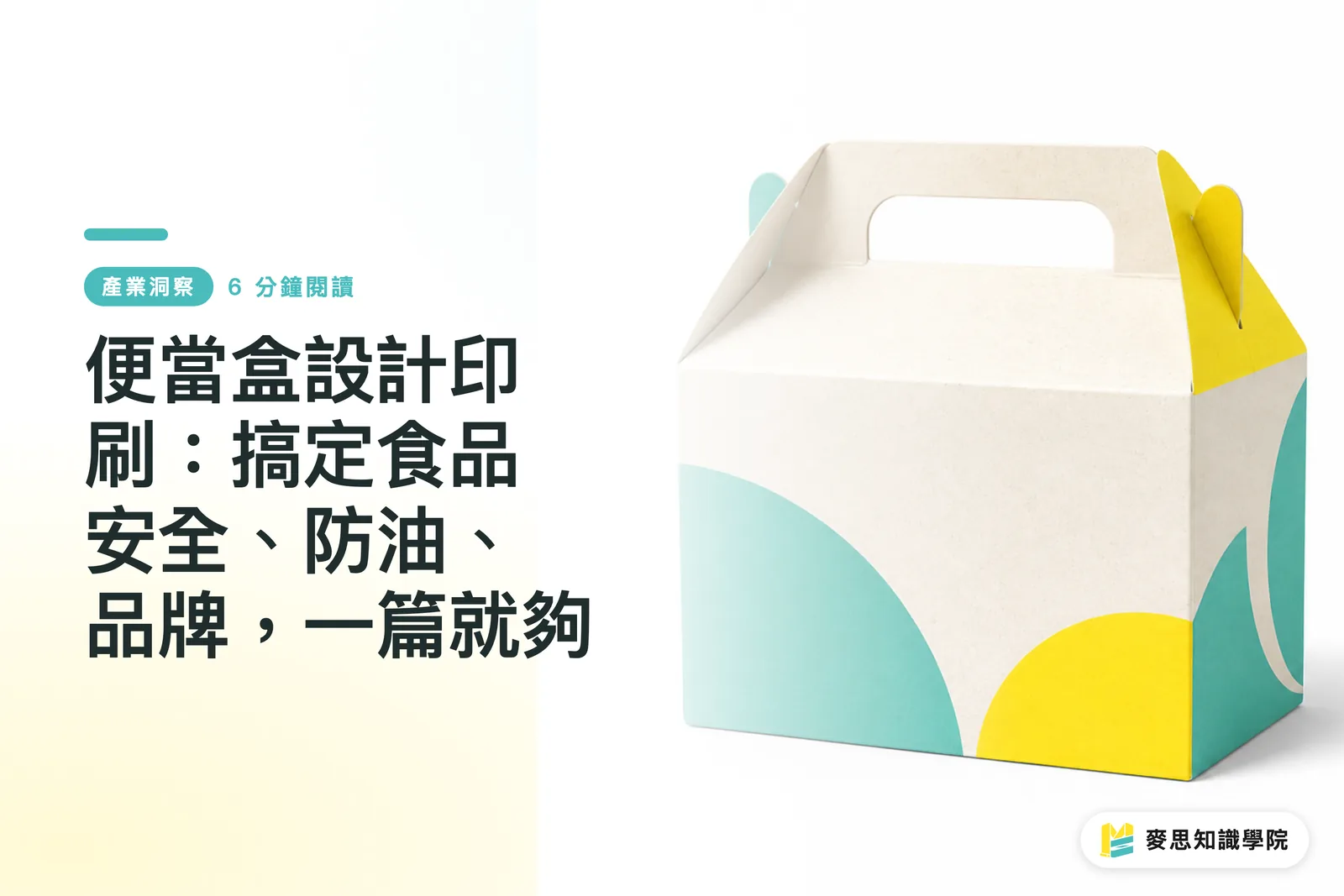
What is the first step to consider when creating your own bento box?
As a printing consultant, one of the questions I am asked most often is: "I want to make my own bento box, where should I start?" This is a great question, because a small bento box involves a complex system of considerations, from food safety regulations and material science to brand marketing. It's not as simple as finding a designer to create a logo and having a factory print it out. Especially today, as consumers place greater importance on food safety and environmental sustainability, packaging is the first impression a brand makes
In this article, I will condense my years of experience from production lines and client feedback into key points, helping you understand everything at once
---
Bento box printing, first hurdle: How to comply with food safety regulations?
There is no room for compromise here. As long as your packaging comes into direct or indirect contact with food, it must comply with food safety and hygiene regulations. I have seen too many clients try to save costs by using non-compliant paper or ink, only to face inspections that result in fines or, in the worst cases, irreparable damage to their brand reputation
Specifically, you must pay attention to three key points:
・The paper itself must be "Food Grade"
・This means the pulp source is pure and free from recycled paper or other components that could potentially release harmful substances. In Taiwan, you should identify reputable paper mills and request their food-grade certification. To go a step further, you can choose paper with FSC (Forest Stewardship Council) certification, which indicates that the paper source meets sustainable forestry standards—a bonus for your brand image
・The ink must be "Food Grade" or "Low Migration"
・Traditional inks contain heavy metals or volatile organic compounds (VOCs) and must never be used on food packaging. You must specify the use of Soy Ink or Low Migration ink developed specifically for food packaging. These types of inks ensure that even during stacking, heating, or contact with oils, chemical substances in the ink will not "migrate" into the food
・The inner grease-resistant coating must also be compliant
・To prevent grease and water leakage, bento boxes usually have an inner coating. Traditionally, PE (polyethylene) coating is used; it functions well, but it is plastic. The current industry trend is to switch to PLA (polylactic acid) coating. It is derived from corn starch, is biodegradable, and is more in line with environmental trends. While the cost is slightly higher, when your brand emphasizes health and natural ingredients, using a PLA coating makes your story more complete
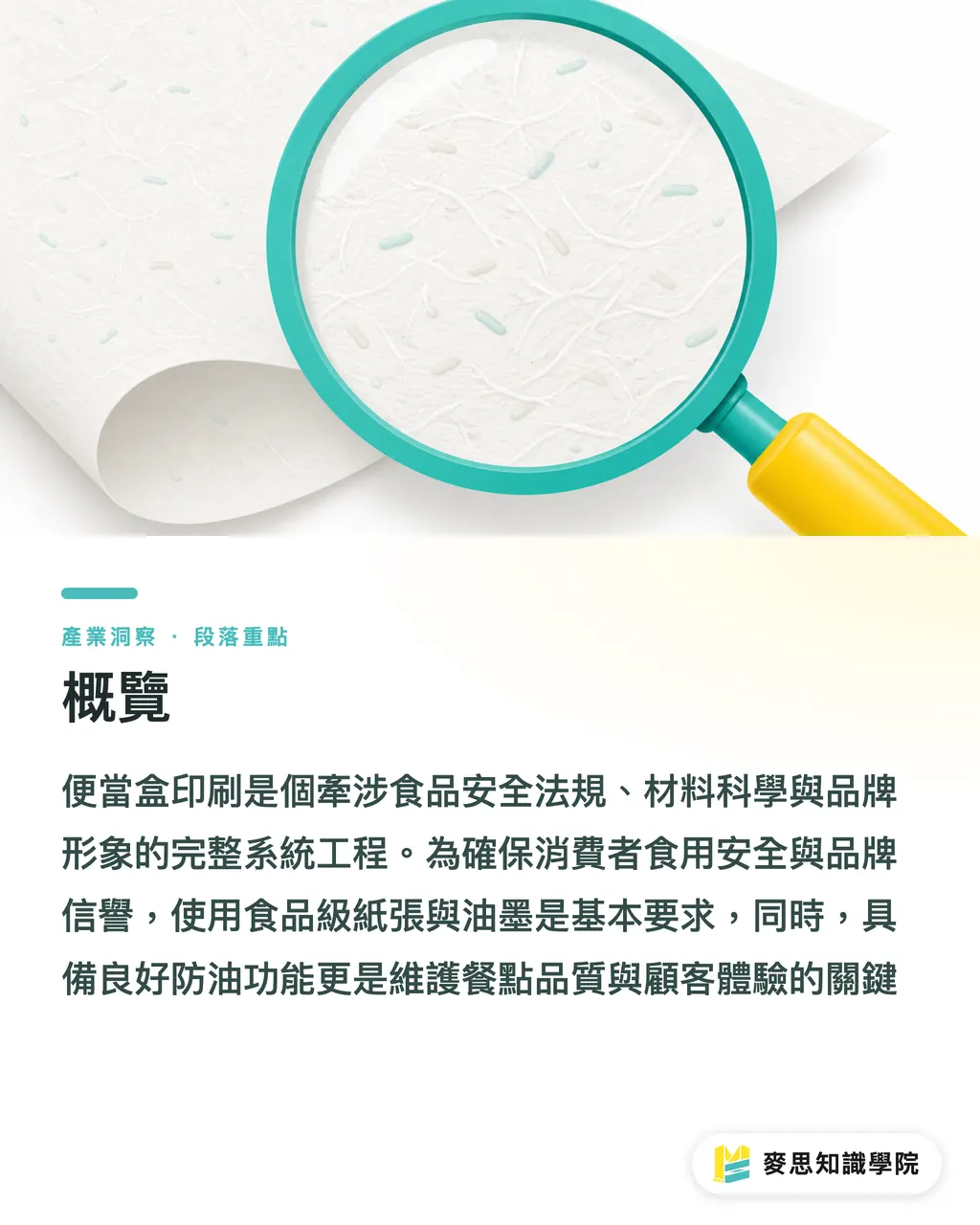
How to solve the most annoying problems of grease and leakage in bento boxes?
How can you make a bento box grease-resistant without losing its texture?
The greatest enemy of a bento box is grease. Imagine a customer receiving your bento only to find that the oil has soaked through the paper box, leaving their hands greasy—their impression of your delicious food will be instantly diminished. Grease resistance handles functionality, but it impacts the entire brand experience
・Lamination (coating) is currently the most effective solution
・As mentioned above, PE or PLA coatings are the most popular and effective means of preventing grease. They form a physical barrier on the paper surface, preventing oil and water from penetrating. Which one you choose depends mainly on your brand positioning and cost considerations
・The natural oil resistance of the paper material
・In addition to lamination, some special paper materials are naturally oil-resistant to a certain degree. This is usually achieved by increasing the density of the paper or adding harmless oil-repellent agents during the papermaking process. However, for the oily and saucy dishes commonly found in Taiwanese bento boxes, I still recommend adding a coating for sufficient protection
・Clever structural design
・Sometimes, structure can also help with grease resistance. For example, a well-designed corner fold at the bottom of the box can prevent soup from leaking through gaps. Discussing the structure with your printing factory or packaging designer during the initial design phase can save you a lot of trouble later. I have seen designers focus only on 2D visuals and forget that it is a container that needs to be assembled into a 3D shape and withstand the weight and temperature of food, resulting in numerous problems once the samples are produced
How to make the bento box do more than just hold food, and actually help tell your brand story?
My brand logo is printed on the bento box; how can I make it stand out?
When your bento box appears on office desks or picnic mats, it acts as a free, mobile advertisement. At this point, the quality of the design and printing determines whether your brand is remembered or treated as just another piece of disposable tableware
・Treat the box as a 3D canvas
・Many people only think about the lid when designing, but the sides and even the bottom are spaces that can be utilized. Especially when bento boxes are stacked, the design on the sides becomes even more eye-catching. You can consider making your brand’s core pattern or slogan into a continuous design that wraps around the entire box
・Choice of printing method
・Mass-produced bento boxes are usually produced using Flexo Printing, which is lower in cost and faster. If your design consists of simple color blocks or lines, Flexo is very suitable. If you have detailed illustrations or photos and have high requirements for color, you might need to consider the more costly Offset Printing. The best way is to take your design draft and discuss with the printing house's account manager which method best fits your budget and expectations
・More than just a logo, it is the start of an interaction
・The function of packaging has evolved from "holding things" to "creating an experience." You can print a QR code on the box linking to your online menu or social media, or print a heartwarming message of the day. These small details can make your brand warmer and help it stand out among numerous competitors. This is what I often call "curiosity design," where packaging is not just packaging, but the starting point of an experience
Summary of Key Points
・Food safety is the bottom line: Specify the use of food-grade paper, soy ink, and compliant inner coatings; this protects both the consumers and yourself
・Grease resistance is key to the experience: Choose PE or more eco-friendly PLA coating to ensure the customer receives delicious food, not greasiness
・Design is an extension of the brand: Treat the bento box as a 3D advertisement, and think comprehensively about how to showcase the brand's personality through structure, material, and printing techniques
・Sustainability is both a trend and an advantage: Adopting FSC-certified paper or PLA coating not only responds to environmental regulations but can also become a highlight for brand marketing
Extended Reflections
For printing factories, food packaging like bento boxes is no longer just print work; it is an "integrated solution." We cannot just passively receive client files; we must actively provide material suggestions, regulatory consultation, and even optimization of structural design. When you position yourself as a "packaging consultant" for your clients rather than just a printing supplier, your value is truly realized
For designers, this means you must step out of the purely visual realm to understand materials, techniques, and end-use scenarios. A good packaging design is dancing within limitations, finding the best balance among cost, regulations, aesthetics, and functionality. Talk more to the production line technicians and touch real paper samples—your designs will be more practical and powerful
Future food packaging will move toward being more eco-friendly, functional, and personalized. For integrated service providers like MINDS, the value lies in being able to connect all links—from design, materials, and printing to post-processing—helping brand clients create packaging that is both safe and eye-catching in the most efficient way possible
FAQ
- Is it mandatory to use food-grade paper for bento boxes?
- Yes, absolutely necessary. As long as the packaging material comes into contact with food, it must be food-grade paper that meets food safety regulations to prevent harmful substances from migrating into the food. This is a basic requirement to protect consumer health
- What is the difference between PE coating and PLA coating?
- PE coating is traditional petrochemical plastic; it is effective for waterproofing and grease resistance but is not biodegradable. PLA coating is a bioplastic made from plant starches like corn. It is biodegradable and more eco-friendly, representing the current market trend, although the cost is slightly higher than PE
- Can I use general-purpose ink for printing bento boxes?
- Absolutely not. Printing bento boxes must involve the use of non-toxic, food-grade inks, such as Soy Ink, to ensure that chemicals in the ink do not contaminate the food and cause harm to the human body
- What are the most easily overlooked details when designing a bento box?
- The most commonly overlooked aspect is designing the bento box as if it were a flat surface. Many people only draw graphics for the lid while forgetting that the sides of the box are actually the visual focal point when being handled or stacked. A good design should consider the overall 3D structure and the usage scenario
সংশ্লিষ্ট নিবন্ধ
- 2026 সালের প্যাকেজিং ডিজাইনের নতুন দিক: কোকা-কোলা কীভাবে একটি স্টিকার দিয়ে আপনার কৌতূহল জাগিয়ে তোলে
- L.T. Piver-এর শতবর্ষের প্যাকেজিং কৌশল: যখন পরিবেশবান্ধব উপকরণ বিলাসবহুল মুদ্রণের সাথে মিলিত হয়
- পুনরায় বন্ধ করা যায় এমন অ্যালুমিনিয়াম ক্যান আসছে: তাইওয়ানের ক্যান কারখানাগুলোর লেআউট কীভাবে পরিবর্তন করা উচিত?